Daikon Price Guide: Comprehensive Analysis of Market Rates and Value Benefits

Get a Free Quote

Our representative will contact you soon.
Email
Name
Company Name
Products
Mobile/WhatsApp
Message
0/1000

daikon price

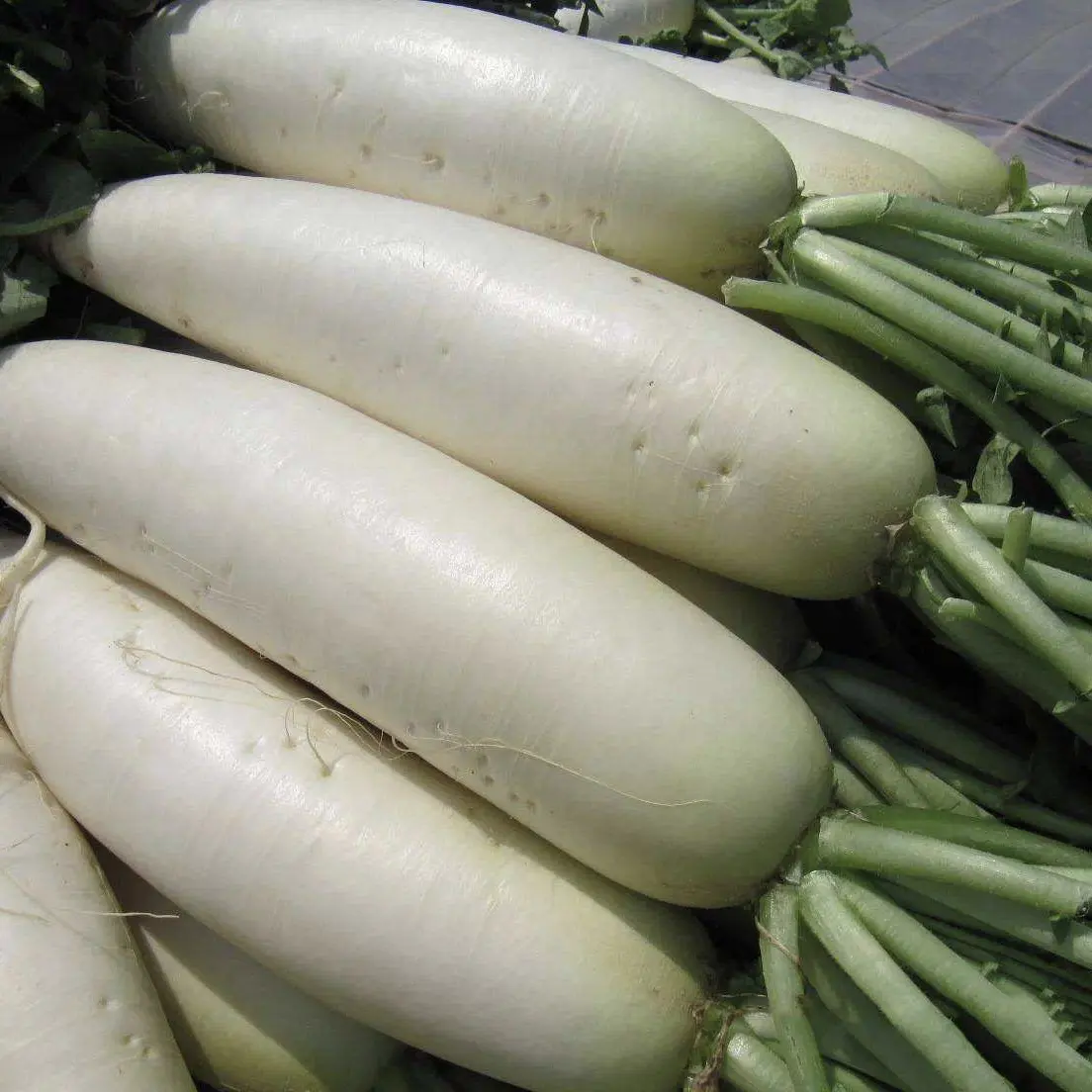
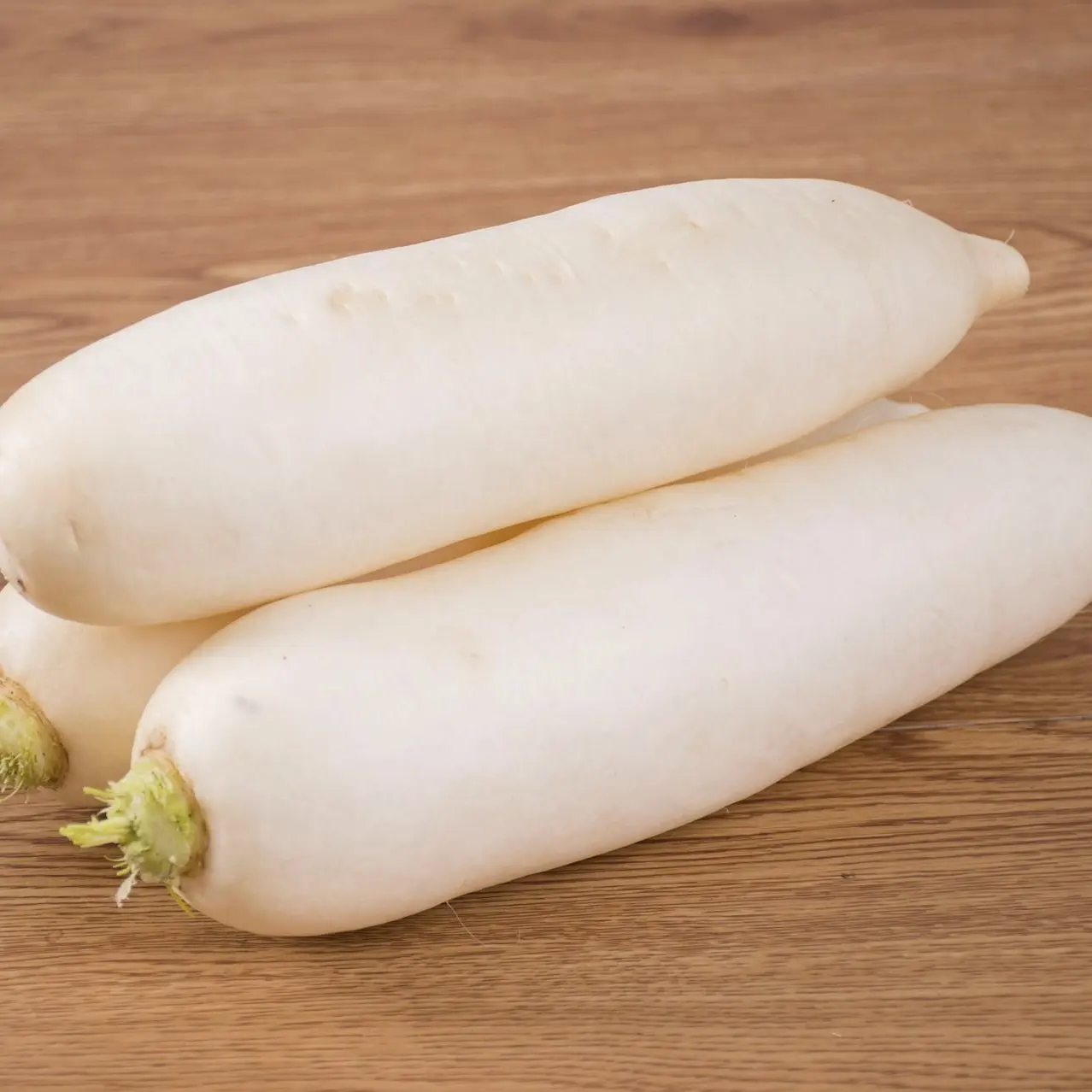
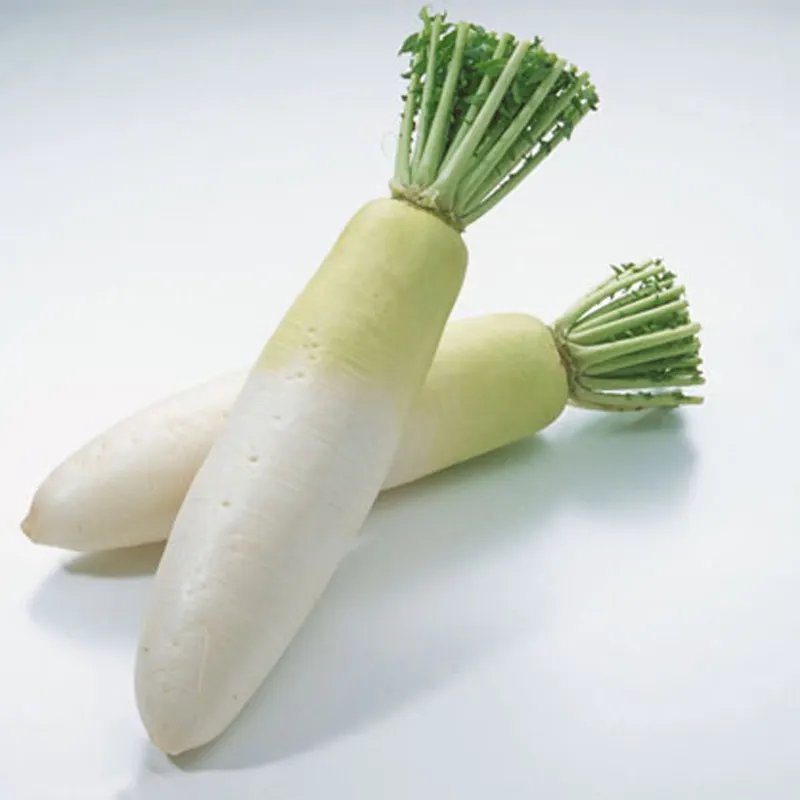
Daikon prices reflect the market dynamics of this versatile Japanese radish, which has gained significant popularity in global cuisine and agriculture. The price of daikon varies seasonally and geographically, typically ranging from $1.50 to $4.00 per pound in most retail markets. These price fluctuations are influenced by factors such as growing conditions, harvest seasons, and market demand. Daikon's pricing structure is particularly interesting due to its dual-use nature, both as a fresh vegetable and as a processed ingredient. Farmers and distributors consider various factors when setting daikon prices, including cultivation costs, transportation expenses, and market competition. The wholesale pricing generally ranges from $0.75 to $2.00 per pound, with bulk purchases offering significant cost advantages. Modern storage and distribution technologies have helped stabilize daikon prices throughout the year, though seasonal variations still exist. The pricing also reflects the growing recognition of daikon's nutritional benefits and its increasing adoption in Western cuisine, which has created a more stable market demand.

New Product Recommendations

The pricing structure of daikon offers several notable advantages for both consumers and businesses. First, its relatively affordable price point makes it an accessible option for health-conscious consumers looking to incorporate more nutritious vegetables into their diet. The cost-effectiveness of daikon is particularly evident when compared to other specialty vegetables, offering excellent value for its nutritional content. For businesses, the predictable pricing patterns throughout most of the year enable effective inventory management and menu planning. The scalable pricing model benefits both small retailers and large-scale food service operations, with volume discounts available for bulk purchases. Additionally, the durability and long shelf life of daikon help reduce waste and maintain profit margins. The competitive pricing also encourages experimentation and adoption by new consumers, expanding the market base. From a agricultural perspective, daikon's efficient growing cycle and high yield per acre make it a cost-effective crop for farmers, allowing them to maintain reasonable consumer prices while ensuring profitable operations. The established price points also support sustainable farming practices without significantly impacting final costs to consumers.

Latest News

What Global Buyers Value When Choosing Scallion Export Partners

26

Aug

What Global Buyers Value When Choosing Scallion Export Partners

What Global Buyers Look for in Scallion Export Partners The global demand for fresh produce, including scallions, has been on the rise, especially as international markets seek reliable and consistent suppliers for high-quality ingredients. Scallions...
View More
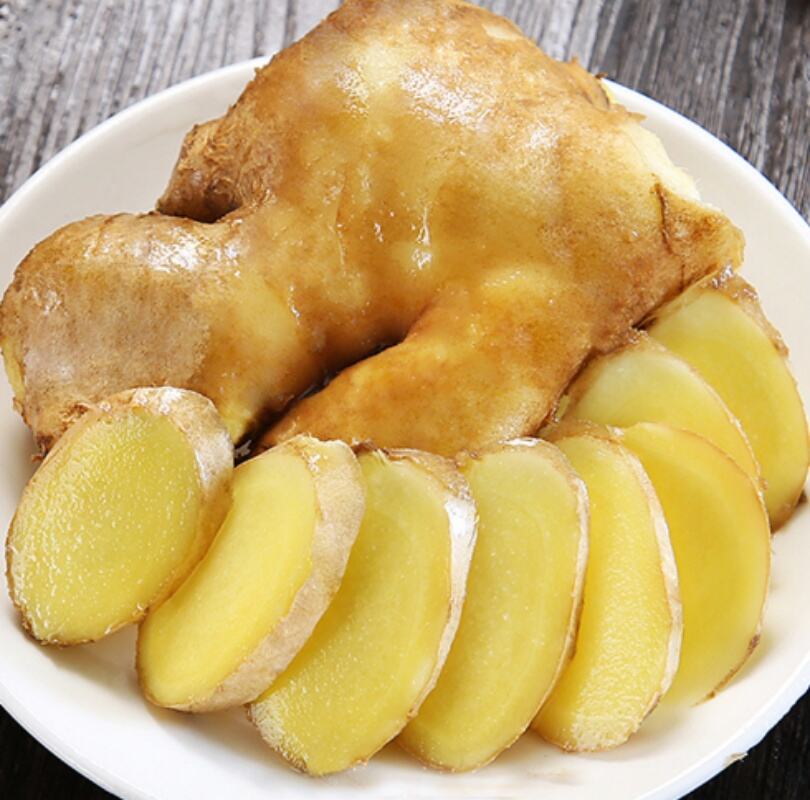
How to Ensure Long Shelf Life for Ginger in Export Logistics?

25

Sep

How to Ensure Long Shelf Life for Ginger in Export Logistics?

Maximizing Shelf Life of Export-Quality Ginger: A Comprehensive Guide The international trade of fresh ginger presents unique challenges in ginger export logistics, requiring careful attention to preservation techniques and handling procedures. As gl...
View More
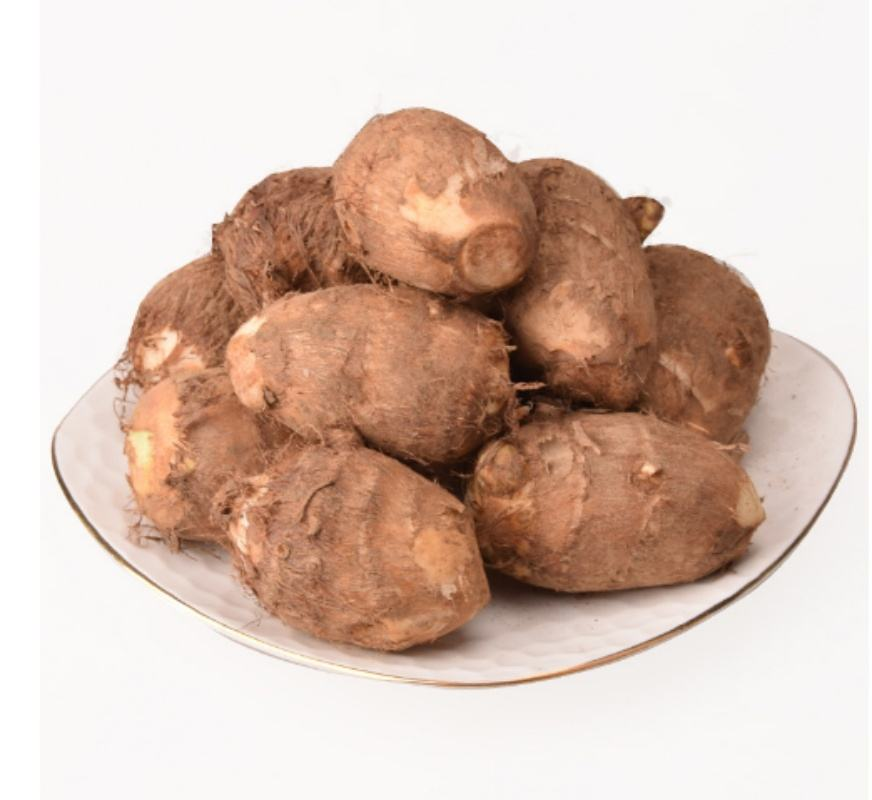
Why Do Food Manufacturers Rely on Stable Taro Supply Chains?

03

Nov

Why Do Food Manufacturers Rely on Stable Taro Supply Chains?

The Growing Importance of Taro in Global Food Manufacturing In recent years, food manufacturers worldwide have increasingly recognized the strategic value of maintaining stable taro supply chains. This versatile root vegetable, deeply rooted in Pacif...
View More
What Processing Methods Maintain Freshness and Taste of Exported Apples?

03

Nov

What Processing Methods Maintain Freshness and Taste of Exported Apples?

Modern Technologies Revolutionizing Apple Export Processing The global trade of exported apples represents a significant portion of the international fruit market, with millions of tons of apples crossing borders annually. Maintaining the pristine qu...
View More

Get a Free Quote

Our representative will contact you soon.
Email
Name
Company Name
Products
Mobile/WhatsApp
Message
0/1000

daikon price

Market Price Stability

Market Price Stability

Daikon prices demonstrate remarkable stability throughout most of the year, thanks to advanced agricultural techniques and efficient supply chain management. This stability benefits both producers and consumers by creating predictable cost structures and reliable availability. Modern storage solutions have significantly extended the shelf life of daikon, reducing seasonal price fluctuations that typically affect fresh produce. The established pricing framework allows for consistent profit margins across the supply chain while maintaining affordability for end consumers. This stability is particularly valuable for food service businesses and retailers who can confidently include daikon in their long-term planning and menu development.
Cost-Effective Nutrition

Cost-Effective Nutrition

The pricing of daikon represents exceptional nutritional value per dollar spent. This versatile vegetable offers a rich array of vitamins, minerals, and dietary fiber at a fraction of the cost of many comparable vegetables. The cost-effectiveness is particularly evident when considering its versatility in various culinary applications, from raw preparations to cooked dishes. The price point makes it an economical choice for health-conscious consumers looking to maximize their nutritional intake while maintaining budget constraints. The value proposition is further enhanced by daikon's substantial yield per serving and its minimal waste during preparation.
Volume-Based Pricing Benefits

Volume-Based Pricing Benefits

The daikon pricing structure includes significant advantages for bulk purchases, making it particularly attractive for commercial buyers and food service operations. Volume discounts can reduce costs by 20-40% compared to retail prices, enabling businesses to maintain healthy profit margins while offering competitive prices to end consumers. This tiered pricing system encourages larger purchases and helps stabilize market demand, benefiting both producers and distributors. The scalable nature of daikon pricing also supports various business models, from small specialty stores to large restaurant chains, providing flexibility in purchasing strategies.

Get a Free Quote

Our representative will contact you soon.
Email
Name
Company Name
Products
Mobile/WhatsApp
Message
0/1000