 EN
EN
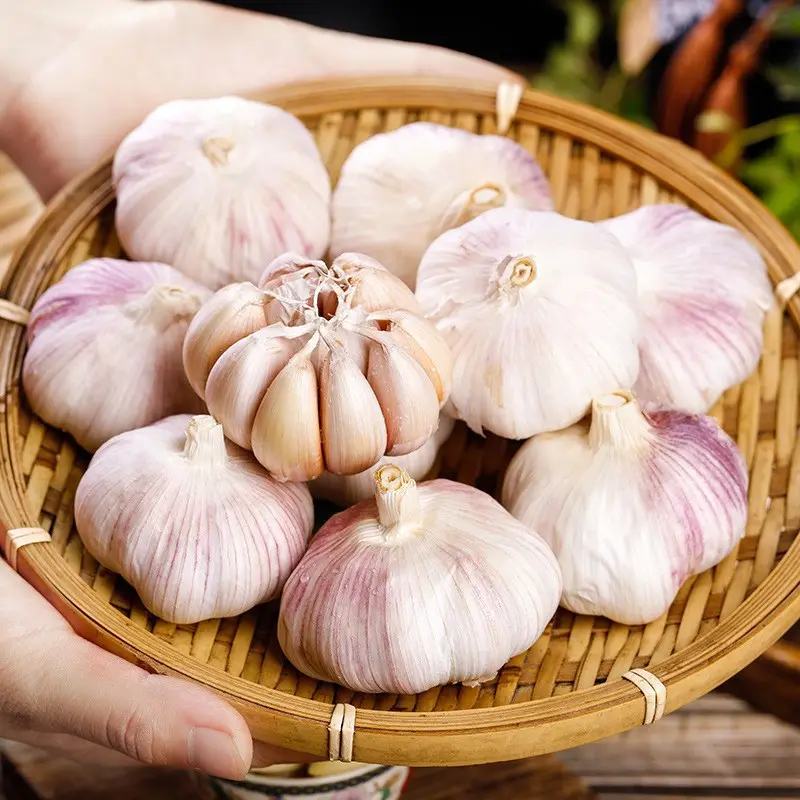
The wholesale produce industry continues to evolve as distributors seek high-demand products that offer consistent profitability and market appeal. Among the most versatile and sought-after commodities in the fresh produce sector, bulk fresh garlic stands out as a cornerstone ingredient that drives significant value for wholesale portfolios. This aromatic bulb represents more than just a culinary staple—it embodies a strategic opportunity for produce distributors to enhance their market position while meeting the growing demand from restaurants, food manufacturers, and retail chains. Understanding how to leverage bulk fresh garlic effectively can transform a standard produce operation into a premium supplier that commands better margins and stronger customer relationships.
Market Demand Dynamics for Wholesale Garlic Distribution
Restaurant Industry Requirements
The foodservice sector represents one of the most substantial markets for bulk fresh garlic, with restaurants requiring consistent volumes to maintain their menu offerings. Commercial kitchens typically purchase garlic in quantities ranging from 30-pound cases to full pallet loads, depending on their operational scale and menu complexity. The demand for bulk fresh garlic in the restaurant industry has grown steadily as culinary trends embrace bold flavors and international cuisines that rely heavily on garlic as a foundational ingredient. Professional chefs value suppliers who can provide consistent quality, appropriate sizing, and reliable delivery schedules that align with their production cycles.
Fine dining establishments and casual restaurants alike depend on bulk fresh garlic to create signature dishes that differentiate their offerings in competitive markets. The economic advantage of purchasing in bulk allows restaurant operators to manage food costs more effectively while ensuring they have adequate inventory to meet customer demand during peak periods. Many successful wholesale distributors have built long-term partnerships with restaurant chains by understanding their specific garlic requirements, including preferred varieties, packaging sizes, and quality specifications that align with their culinary standards.
Food Manufacturing and Processing Sectors
Food manufacturers represent another significant market segment that drives substantial demand for bulk fresh garlic, particularly those specializing in prepared foods, sauces, and seasoning blends. These industrial customers typically require large volumes of consistently sized and quality-controlled garlic that meets strict food safety standards and traceability requirements. The processing industry values bulk fresh garlic suppliers who can provide detailed documentation regarding origin, handling procedures, and quality certifications that support their manufacturing protocols.
Sauce manufacturers, spice companies, and prepared food producers often establish annual contracts for bulk fresh garlic supplies, creating predictable revenue streams for wholesale distributors. These partnerships require suppliers to maintain rigorous quality control measures and flexible delivery schedules that accommodate the production cycles of their manufacturing clients. The growing trend toward natural and minimally processed foods has increased demand for fresh garlic over processed alternatives, creating additional opportunities for wholesale distributors who can meet these evolving market preferences.
Quality Standards and Sourcing Excellence
Establishing Premium Quality Benchmarks
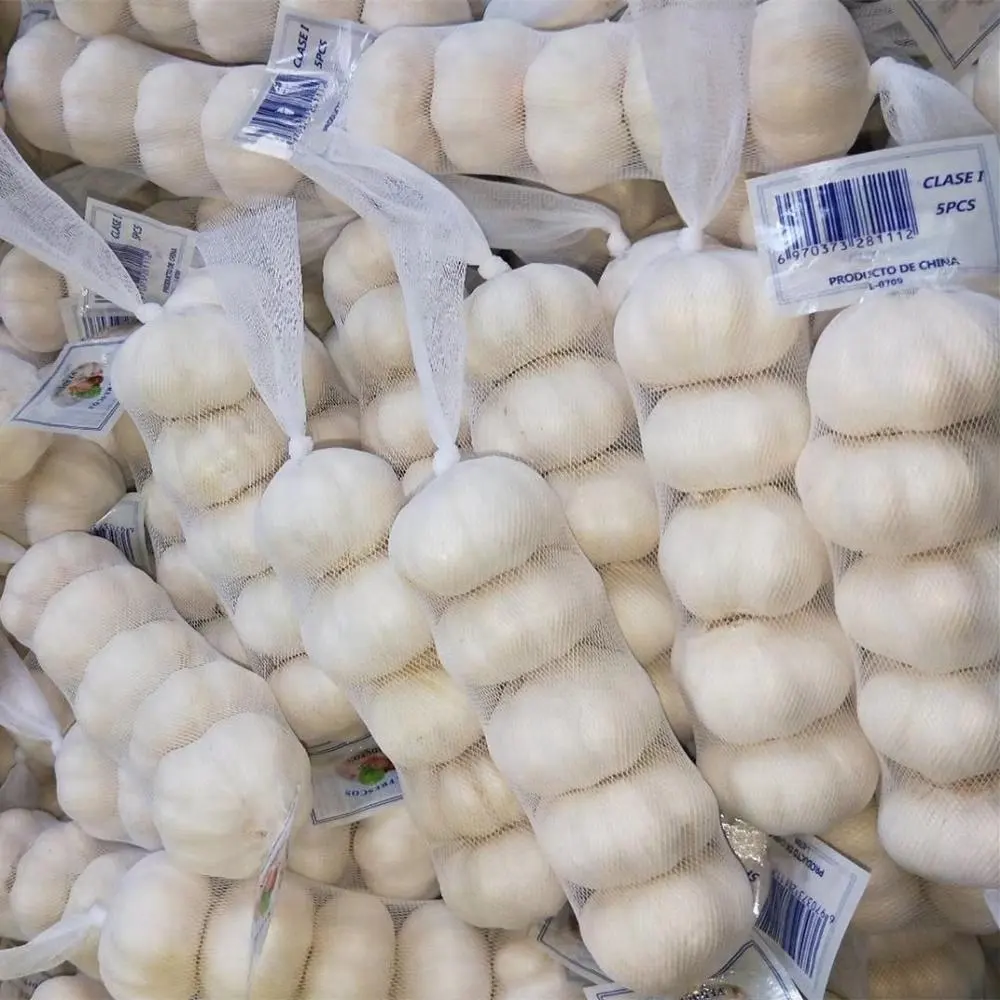
Success in wholesale bulk fresh garlic distribution depends heavily on maintaining consistent quality standards that exceed customer expectations and industry benchmarks. Premium garlic exhibits firm, well-formed bulbs with tight, papery skins that indicate proper curing and storage conditions. The absence of soft spots, sprouting, or discoloration signals superior handling practices throughout the supply chain, from farm to distribution center. Wholesale distributors who establish reputation for delivering exceptional bulk fresh garlic quality often command premium pricing and develop loyal customer bases that value reliability over lowest-cost alternatives.
Implementing comprehensive quality control processes involves regular inspections at multiple points throughout the distribution process, including incoming shipment verification, storage monitoring, and pre-delivery quality checks. Many successful wholesale operations invest in climate-controlled storage facilities that maintain optimal temperature and humidity levels to preserve garlic quality during extended storage periods. These investments in infrastructure and quality systems enable distributors to offer longer shelf life guarantees and reduce customer complaints related to product deterioration, ultimately strengthening their market position in the competitive produce landscape.
Strategic Sourcing Partnerships
Developing strong relationships with reliable garlic growers and importers forms the foundation of a successful wholesale bulk fresh garlic operation. Strategic sourcing partnerships often involve working directly with farming operations that specialize in garlic production and understand the specific requirements of the wholesale market. These relationships enable distributors to secure consistent supplies of high-quality product while maintaining competitive pricing structures that support profitable operations throughout the supply chain.
Diversifying sourcing partnerships across different geographic regions helps wholesale distributors manage seasonal availability challenges and reduce supply chain risks associated with weather-related crop variations. Bulk fresh garlic sourcing strategies often include establishing relationships with both domestic and international suppliers to ensure year-round availability and competitive pricing flexibility. Successful distributors typically maintain multiple supplier relationships while focusing on a core group of trusted partners who consistently deliver quality products that meet their operational standards and customer requirements.
Profit Optimization Strategies in Garlic Wholesale
Volume-Based Pricing Advantages
The economics of bulk fresh garlic distribution favor operations that can leverage volume purchasing power to secure favorable pricing from suppliers while offering competitive rates to customers. Wholesale distributors who commit to significant volume purchases often negotiate better terms with growers and importers, creating margin opportunities that support business growth and market expansion. Understanding seasonal pricing patterns and market cycles enables distributors to time their purchasing decisions strategically, building inventory during periods of lower pricing and capitalizing on market demand fluctuations.
Implementing tiered pricing structures for bulk fresh garlic sales allows wholesale distributors to reward high-volume customers while maintaining profitability across different market segments. These pricing strategies typically offer decreasing per-unit costs as order quantities increase, encouraging customers to consolidate their purchases and providing distributors with more predictable cash flow patterns. Many successful operations develop sophisticated pricing models that account for storage costs, handling expenses, and market volatility to ensure consistent profitability regardless of external market conditions.
Value-Added Services and Differentiation
Beyond basic product distribution, wholesale operations can enhance profitability by offering value-added services that differentiate their bulk fresh garlic offerings from competitors. These services might include custom packaging solutions, pre-processing options such as peeling or chopping, and specialized storage services that extend product shelf life for customers with irregular ordering patterns. Providing comprehensive logistics support, including flexible delivery schedules and emergency supply capabilities, creates additional value propositions that justify premium pricing and strengthen customer loyalty.
Many wholesale distributors have expanded their service offerings to include product education and culinary consulting services that help restaurant and food service customers optimize their garlic usage and menu development. These value-added services create deeper customer relationships while generating additional revenue streams that improve overall profitability. Technical support services, such as storage and handling guidance, help customers maximize the shelf life and quality of their bulk fresh garlic purchases, reducing waste and improving satisfaction levels that lead to increased order frequency and volume.
Storage and Handling Best Practices
Climate Control and Environmental Management
Proper storage conditions are crucial for maintaining the quality and extending the shelf life of bulk fresh garlic throughout the distribution process. Optimal storage environments maintain temperatures between 32-35 degrees Fahrenheit with humidity levels around 60-70 percent, preventing sprouting while avoiding conditions that promote deterioration or moisture-related problems. Professional wholesale facilities invest in sophisticated climate control systems that monitor and maintain these conditions consistently, protecting their inventory investment while ensuring customers receive products with maximum remaining shelf life.
Air circulation plays a critical role in bulk fresh garlic storage, as stagnant conditions can promote moisture accumulation and accelerate spoilage processes. Well-designed storage facilities incorporate ventilation systems that provide adequate air movement without creating excessive temperature fluctuations that could stress the product. Many successful wholesale operations utilize specialized storage containers and racking systems that promote proper air circulation while facilitating efficient inventory management and order fulfillment processes that minimize handling time and maintain product integrity.
Inventory Management and Rotation Systems
Implementing effective inventory rotation systems ensures that bulk fresh garlic moves through the distribution pipeline efficiently, minimizing losses due to age-related deterioration while maintaining consistent quality standards for customers. First-in, first-out rotation protocols prevent older inventory from accumulating in storage areas, reducing waste and ensuring that customers consistently receive products with optimal remaining shelf life. Advanced inventory management systems track receipt dates, storage locations, and quality assessments to facilitate efficient rotation and enable proactive quality monitoring throughout the storage period.
Regular inventory audits and quality assessments help wholesale distributors identify potential problems before they impact customer shipments or result in significant product losses. These systematic approaches to inventory management often incorporate digital tracking systems that monitor storage conditions and alert managers to environmental changes that could affect product quality. Successful bulk fresh garlic operations typically maintain detailed records of storage conditions, handling procedures, and quality observations that support continuous improvement efforts and provide valuable data for optimizing storage and handling protocols.
Customer Relationship Development
Understanding Diverse Market Segments
Wholesale bulk fresh garlic distributors serve diverse customer segments with varying requirements, purchasing patterns, and quality expectations that require tailored service approaches. Restaurant customers typically prioritize consistent quality and reliable delivery schedules, while food manufacturers focus on detailed specifications, documentation requirements, and volume consistency that supports their production planning. Retail customers often emphasize packaging options, shelf life guarantees, and competitive pricing that enables them to maintain margins while offering attractive products to their consumers.
Developing segment-specific service strategies enables wholesale distributors to better meet the unique needs of different customer types while optimizing their operational efficiency and profitability. Understanding the seasonal patterns and ordering behaviors of different market segments helps distributors plan inventory levels, staffing requirements, and delivery schedules more effectively. Many successful operations develop specialized expertise in serving particular market segments, becoming preferred suppliers who understand the specific challenges and requirements that define success in those industries.
Building Long-Term Partnership Value
Creating lasting customer relationships in the bulk fresh garlic wholesale industry requires consistent demonstration of value beyond competitive pricing and basic product quality. Successful distributors invest in understanding their customers' business models, operational challenges, and growth objectives to identify opportunities for providing enhanced value through improved service delivery or innovative solutions. These deeper relationships often result in preferred vendor status, longer-term contracts, and collaborative partnerships that provide mutual benefits and competitive advantages.
Regular communication and proactive customer service help wholesale distributors anticipate customer needs and address potential issues before they impact operations or satisfaction levels. Many successful operations implement customer feedback systems that capture insights about product quality, service performance, and improvement opportunities that guide their operational development efforts. Building trust through consistent performance and transparent communication creates customer loyalty that withstands competitive pressures and supports sustainable business growth in the dynamic produce industry.
Seasonal Planning and Market Timing
Harvest Cycle Management
Understanding global garlic harvest cycles enables wholesale distributors to plan inventory strategies that capitalize on seasonal availability patterns while managing supply chain risks associated with weather-related crop variations. Major garlic-producing regions have different harvest seasons, creating opportunities for distributors to maintain year-round supplies by strategically sourcing from multiple geographic areas. Effective seasonal planning involves forecasting customer demand patterns, negotiating advance purchase commitments with suppliers, and managing storage capacity to accommodate seasonal inventory fluctuations.
Market timing strategies for bulk fresh garlic often involve building inventory during peak harvest periods when pricing is most favorable, then managing distribution throughout the year to maintain consistent availability for customers. These approaches require significant working capital investment and sophisticated storage capabilities, but they enable distributors to smooth out seasonal price volatility while ensuring reliable supply for their customer base. Successful seasonal planning also considers customer ordering patterns, promotional activities, and special events that might create temporary demand spikes requiring additional inventory preparation.
Price Volatility Navigation
Garlic markets can experience significant price fluctuations due to weather conditions, crop yields, international trade policies, and seasonal demand variations that impact wholesale profitability and customer relationships. Experienced bulk fresh garlic distributors develop pricing strategies that provide stability for customers while protecting their margins against unexpected market movements. These strategies might include forward contracting arrangements, price hedging mechanisms, or flexible pricing models that share market risks between suppliers and customers.
Monitoring market intelligence and maintaining awareness of factors that influence garlic pricing helps wholesale distributors make informed purchasing and pricing decisions throughout the year. Many successful operations develop relationships with market analysts, industry associations, and fellow distributors to share information about market conditions and trends that affect their business planning. Understanding how external factors influence bulk fresh garlic pricing enables distributors to communicate market dynamics effectively to their customers, building trust and supporting collaborative approaches to managing price volatility challenges.
FAQ
What are the typical minimum order quantities for bulk fresh garlic wholesalers?
Most wholesale bulk fresh garlic distributors establish minimum order quantities ranging from 500 to 2,000 pounds, depending on their operational scale and customer base. These minimums help distributors maintain efficient delivery routes and handling processes while ensuring adequate order values to support their service levels. Some specialized distributors may accommodate smaller orders for premium customers or during promotional periods, though these typically carry adjusted pricing to reflect the additional handling costs involved.
How can customers verify the quality and origin of wholesale garlic shipments?
Professional wholesale distributors provide comprehensive documentation including certificates of origin, quality inspection reports, and handling records that trace products back to their source farms or import facilities. Many operations maintain detailed quality control databases that track storage conditions, inspection results, and customer feedback to ensure consistent standards. Customers can request sample inspections, visit storage facilities, or require third-party quality certifications to verify that bulk fresh garlic meets their specific requirements and industry standards.
What factors should restaurants consider when selecting a bulk garlic supplier?
Restaurants should evaluate potential suppliers based on quality consistency, delivery reliability, pricing competitiveness, and service flexibility that aligns with their operational requirements. Key considerations include the supplier's storage facilities, quality control procedures, emergency supply capabilities, and willingness to accommodate special requests such as custom packaging or delivery scheduling. Establishing relationships with suppliers who understand restaurant operations and can provide consistent products throughout the year helps kitchen managers maintain menu quality while managing food costs effectively.
How does seasonal availability affect bulk fresh garlic pricing and procurement strategies?
Seasonal availability significantly impacts bulk fresh garlic pricing, with harvest periods typically offering the most favorable rates while off-season periods may see premium pricing due to storage costs and limited supply. Successful procurement strategies involve understanding global harvest cycles, building relationships with suppliers in different regions, and planning inventory purchases during favorable pricing periods. Many wholesale customers work with their suppliers to develop annual supply agreements that provide pricing stability while ensuring consistent product availability throughout the year regardless of seasonal market fluctuations.
Table of Contents
- Market Demand Dynamics for Wholesale Garlic Distribution
- Quality Standards and Sourcing Excellence
- Profit Optimization Strategies in Garlic Wholesale
- Storage and Handling Best Practices
- Customer Relationship Development
- Seasonal Planning and Market Timing
-
FAQ
- What are the typical minimum order quantities for bulk fresh garlic wholesalers?
- How can customers verify the quality and origin of wholesale garlic shipments?
- What factors should restaurants consider when selecting a bulk garlic supplier?
- How does seasonal availability affect bulk fresh garlic pricing and procurement strategies?