 EN
EN
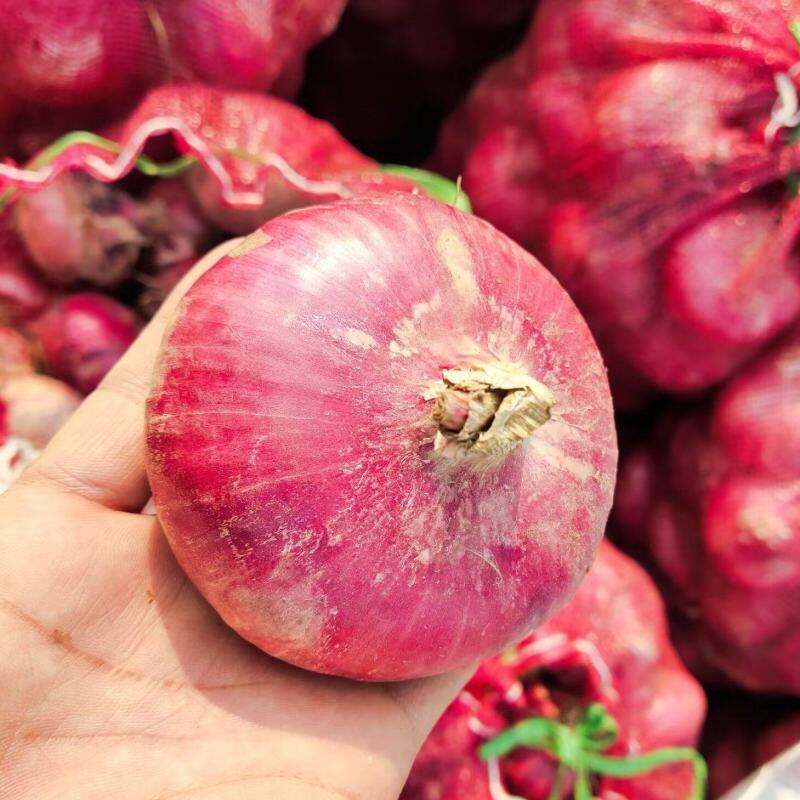
Modern agricultural processing centers have revolutionized how fresh onions are handled, stored, and prepared for market distribution. These sophisticated facilities employ cutting-edge technology and standardized procedures to maximize onion quality while extending shelf life significantly. The transformation from field-harvested onions to market-ready products involves multiple stages of careful handling, climate control, and quality assessment that directly impacts consumer satisfaction and supply chain efficiency.
Advanced Cleaning and Preparation Systems
Automated Washing Technologies
State-of-the-art processing centers utilize multi-stage washing systems that remove soil, debris, and surface contaminants without damaging the onion's protective outer layers. These automated systems employ precisely calibrated water pressure, temperature control, and gentle agitation mechanisms. The washing process eliminates potential pathogens while preserving the natural barriers that protect onions during storage and transportation.
High-efficiency filtration systems continuously clean and recycle wash water, maintaining optimal sanitation standards throughout the cleaning process. Advanced sensors monitor water quality parameters, automatically adjusting chemical treatments and temperature to ensure consistent results. This systematic approach significantly reduces bacterial load and extends the storage life of processed onions.
Precision Sorting and Grading
Modern optical sorting equipment analyzes each onion using advanced imaging technology, identifying defects, size variations, and quality indicators with remarkable accuracy. These systems can detect internal damage, sprouting, and disease symptoms that might not be visible to human inspectors. Automated rejection mechanisms remove substandard onions before they enter the packaging process.
Computer-controlled grading systems categorize onions based on predetermined specifications including size, shape, color consistency, and firmness. This precision ensures that only premium-quality onions reach consumers, while lower-grade products are diverted to appropriate secondary markets or processing applications. The consistency achieved through automated grading enhances brand reputation and customer satisfaction.
Climate-Controlled Storage Solutions
Optimal Temperature Management
Processing centers maintain precisely controlled storage environments that slow down the natural aging process of onions. Temperature regulation systems maintain optimal ranges between 32-35°F, significantly extending shelf life compared to ambient storage conditions. Advanced HVAC systems provide uniform temperature distribution throughout storage areas, preventing hot spots that could accelerate spoilage.
Sophisticated monitoring networks track temperature variations in real-time, automatically adjusting cooling systems to maintain ideal conditions. Emergency backup systems ensure continuous climate control even during power outages or equipment failures. This level of environmental control can extend onion shelf life by several months compared to traditional storage methods.
Humidity and Ventilation Control
Proper humidity management prevents both dehydration and excessive moisture that could promote fungal growth. Processing centers maintain relative humidity levels between 65-70%, optimizing the balance between moisture retention and spoilage prevention. Advanced humidification and dehumidification systems respond dynamically to changing conditions.
Controlled airflow systems ensure adequate ventilation while preventing moisture accumulation in storage areas. Strategic air circulation patterns eliminate stagnant zones where humidity could concentrate, reducing the risk of bacterial and fungal contamination. These environmental controls work synergistically with temperature management to maximize onion quality retention.
Quality Assurance and Testing Protocols
Microbiological Safety Standards
Comprehensive testing programs monitor bacterial levels, pathogen presence, and overall microbiological safety throughout the processing cycle. Laboratory facilities within processing centers conduct regular sampling and analysis to ensure compliance with food safety regulations. These protocols identify potential contamination sources before they can affect product quality or consumer safety.
Hazard Analysis and Critical Control Points (HACCP) systems provide systematic approaches to identifying and controlling food safety risks. Regular audits and third-party certifications verify that fresh onion processing facilities maintain the highest safety standards. Documentation systems track every batch through the entire processing chain, enabling rapid response to any quality issues.
Physical Quality Assessment
Trained quality control specialists perform detailed inspections using standardized criteria to evaluate onion firmness, appearance, and overall condition. Non-destructive testing methods assess internal quality without damaging the product. Statistical sampling procedures ensure representative quality assessment across large production volumes.
Advanced measurement tools quantify factors such as moisture content, sugar levels, and cellular integrity that affect shelf life and eating quality. These objective measurements complement visual inspections, providing comprehensive quality profiles for each production lot. Data analytics identify trends and patterns that help optimize processing parameters for maximum quality retention.
Packaging and Preservation Innovations
Modified Atmosphere Packaging
Specialized packaging systems create controlled atmospheric environments that significantly extend onion shelf life by reducing oxygen levels and increasing carbon dioxide concentrations. These modified atmospheres slow respiration rates and delay the onset of sprouting and deterioration. Gas-flush packaging equipment precisely controls atmospheric composition for optimal preservation effects.
Breathable packaging materials allow controlled gas exchange while maintaining the beneficial atmospheric modifications. Advanced polymer films provide selective permeability that maintains optimal internal conditions throughout the distribution chain. These packaging innovations can double or triple shelf life compared to conventional packaging methods.
Smart Packaging Technologies
Intelligent packaging incorporates sensors and indicators that monitor product condition and environmental factors during storage and transportation. Time-temperature indicators provide visual confirmation of proper cold chain maintenance. Freshness sensors detect chemical changes associated with quality deterioration, enabling proactive inventory management.
Radio frequency identification (RFID) tags and QR codes enable comprehensive traceability throughout the supply chain. These technologies facilitate rapid identification of product batches, processing dates, and quality parameters. Smart packaging systems provide valuable data for optimizing distribution logistics and predicting remaining shelf life.
Supply Chain Integration and Logistics
Cold Chain Management
Seamless integration between processing centers and cold chain logistics ensures continuous temperature control from facility to final destination. Refrigerated transportation systems maintain optimal conditions during transit, preventing quality degradation during distribution. Real-time monitoring systems track temperature and humidity throughout the journey.
Coordinated logistics planning minimizes handling time and reduces temperature fluctuations during transfers between storage facilities, transportation, and retail locations. Automated inventory management systems optimize product rotation, ensuring first-in-first-out protocols that maximize freshness at point of sale. These integrated approaches significantly extend effective shelf life for end consumers.
Data-Driven Optimization
Advanced analytics platforms collect and analyze data from all stages of the processing and distribution chain. Machine learning algorithms identify patterns and correlations that help optimize processing parameters, storage conditions, and distribution timing. Predictive models forecast quality changes and recommend optimal handling procedures.
Continuous improvement programs use performance data to refine processing techniques and identify opportunities for quality enhancement. Feedback loops from retail partners and consumers provide insights into real-world performance and customer satisfaction. This data-driven approach enables processing centers to continuously evolve their methods for maximum effectiveness.
FAQ
How much longer do processed onions last compared to unprocessed ones
Properly processed onions from modern facilities typically last 2-3 times longer than unprocessed onions. While field-cured onions might last 2-4 months under good conditions, professionally processed onions can maintain quality for 6-12 months when stored properly. The combination of controlled curing, optimal storage conditions, and advanced packaging technologies significantly extends usable shelf life.
What specific technologies make the biggest difference in onion quality
Climate-controlled storage systems have the most significant impact on onion quality and shelf life. Precise temperature and humidity control, combined with proper ventilation, can extend storage life by several months. Advanced cleaning and sorting technologies also play crucial roles by removing damaged onions that could cause spoilage in storage and ensuring only premium-quality products reach consumers.
Are processed onions as nutritious as fresh-picked onions
Modern processing methods are designed to preserve nutritional content while extending shelf life. Properly processed onions retain most of their original vitamins, minerals, and beneficial compounds. The controlled environment processing actually helps maintain nutritional stability by preventing degradation that occurs during uncontrolled storage conditions. Studies show minimal nutritional differences between properly processed and freshly harvested onions.
How do processing centers ensure food safety throughout the handling process
Processing centers implement comprehensive food safety management systems including HACCP protocols, regular microbiological testing, and strict sanitation procedures. Automated monitoring systems track critical control points throughout the process, while trained personnel conduct regular inspections and quality checks. Third-party audits and certifications verify compliance with food safety regulations, ensuring consistent safety standards from processing through distribution.