 EN
EN
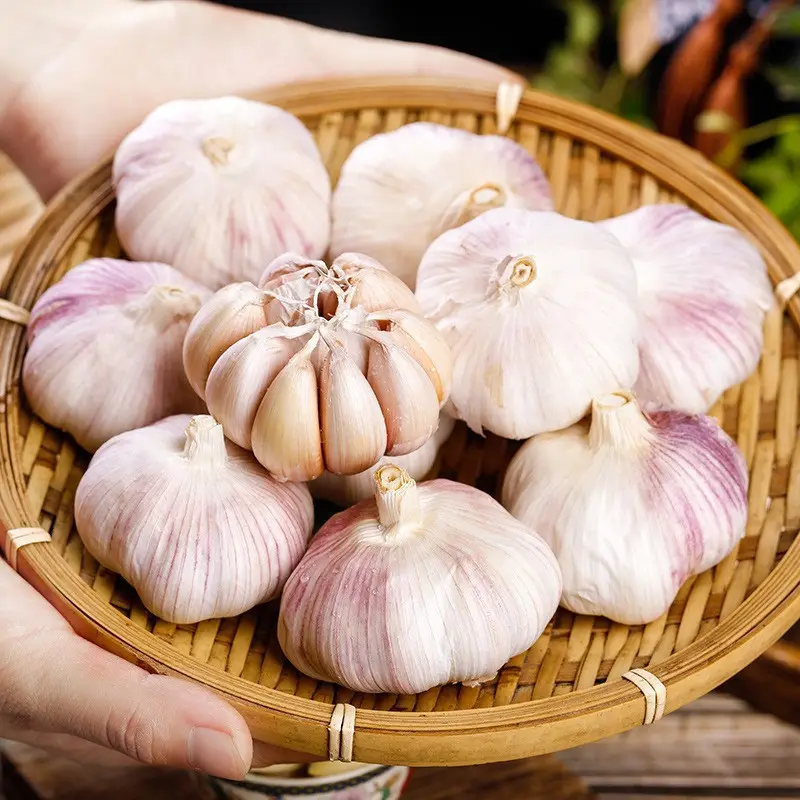
Food manufacturing operations depend heavily on the consistent quality of raw ingredients, with fresh garlic serving as a critical component across numerous product lines. The impact of garlic quality on manufacturing performance extends far beyond simple flavor enhancement, affecting production efficiency, shelf life, and overall product consistency. Understanding how premium fresh garlic influences manufacturing outcomes enables food processors to optimize their operations while maintaining superior product standards that meet consumer expectations and regulatory requirements.
Quality Standards and Manufacturing Impact
Moisture Content and Processing Efficiency
The moisture content of fresh garlic directly correlates with processing efficiency in manufacturing environments. High-quality fresh garlic maintains optimal moisture levels between 60-65%, ensuring consistent texture and flavor extraction during processing. When garlic exceeds these moisture parameters, it can cause equipment clogging, increased processing times, and inconsistent product outcomes. Manufacturing facilities utilizing premium fresh garlic experience reduced downtime and improved throughput rates.
Processing equipment performance significantly improves when fresh garlic meets strict moisture specifications. Chopping, grinding, and mincing operations run more smoothly with properly hydrated garlic, reducing wear on machinery and minimizing maintenance requirements. This consistency translates to lower operational costs and enhanced production scheduling reliability.
Chemical Composition Stability
The allicin content and sulfur compound profiles in fresh garlic determine flavor intensity and preservation characteristics in finished products. Superior quality fresh garlic maintains stable allicin levels, providing consistent flavor profiles across production batches. This chemical stability ensures that manufacturers can rely on predictable flavor outcomes without requiring frequent recipe adjustments or additional seasoning compensations.
Enzymatic activity within fresh garlic affects both processing parameters and final product characteristics. Premium garlic exhibits controlled enzymatic activity that supports desired flavor development while preventing undesirable chemical reactions during storage and processing. This balance is crucial for maintaining product quality throughout extended manufacturing cycles and distribution periods.
Supply Chain Integration and Cost Management
Sourcing Strategy Implementation
Strategic sourcing of fresh garlic requires careful evaluation of supplier capabilities, quality certifications, and delivery consistency. Manufacturing operations benefit from establishing long-term relationships with verified suppliers who can provide consistent quality fresh garlic throughout seasonal variations. This approach minimizes supply disruptions and maintains steady production schedules essential for meeting market demands.
Quality assurance protocols for fresh garlic procurement involve comprehensive testing procedures that evaluate size consistency, chemical composition, and physical characteristics. Manufacturers implementing rigorous incoming inspection processes for fresh garlic reduce the likelihood of production delays caused by substandard raw materials. These quality controls protect both immediate production needs and long-term brand reputation.
Inventory Management Optimization
Fresh garlic storage requirements significantly impact manufacturing facility design and operational procedures. Proper storage conditions maintain garlic quality while extending usable life, directly affecting inventory turnover rates and waste reduction initiatives. Temperature control, humidity management, and air circulation systems must be optimized to preserve fresh garlic integrity throughout storage periods.
Rotation protocols for fresh garlic inventory ensure that older stock is utilized before quality degradation occurs. First-in-first-out systems prevent spoilage losses while maintaining consistent product quality in manufacturing applications. These management practices contribute to improved profitability through reduced waste and enhanced resource utilization.
Production Process Optimization
Preprocessing Efficiency Gains
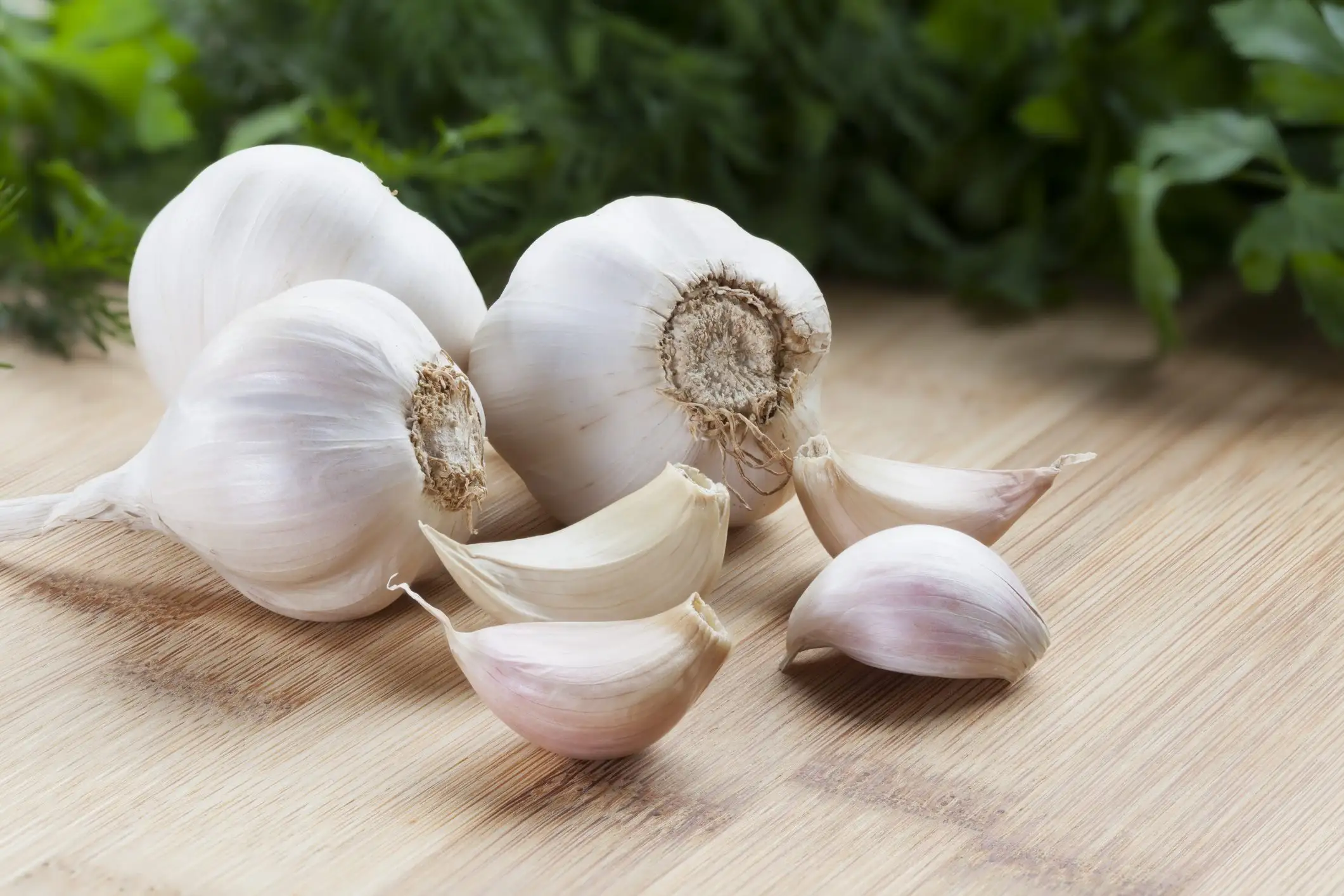
The preprocessing stage for fresh garlic involves cleaning, sorting, and preparation activities that directly influence downstream manufacturing efficiency. High-quality fresh garlic requires minimal preprocessing time, allowing production teams to focus on value-added activities rather than extensive preparation work. This efficiency improvement translates to increased overall production capacity and reduced labor costs.
Consistent sizing and quality characteristics in fresh garlic enable automated processing equipment to operate at optimal performance levels. Uniform garlic cloves reduce equipment adjustments and minimize processing variations that can affect final product consistency. Manufacturing facilities utilizing premium fresh garlic experience fewer processing interruptions and achieve more predictable production outcomes.
Batch Consistency Achievement
Maintaining batch-to-batch consistency in products containing fresh garlic requires careful attention to ingredient quality specifications. Superior fresh garlic provides stable flavor profiles and processing characteristics that support consistent product formulations across multiple production runs. This consistency is essential for meeting customer expectations and maintaining brand quality standards.
Quality documentation and traceability systems for fresh garlic enable manufacturers to identify and address any quality variations that might affect product consistency. Comprehensive record-keeping supports continuous improvement initiatives and helps identify opportunities for further optimization of fresh garlic utilization in manufacturing processes.
Shelf Life and Product Stability Considerations
Preservation Technology Integration
The inherent preservation properties of fresh garlic contribute to extended shelf life in finished products when properly integrated into formulations. Natural antimicrobial compounds in quality fresh garlic provide preservation benefits that can reduce reliance on artificial preservatives while maintaining product safety standards. This natural preservation capability supports clean label initiatives increasingly demanded by consumers.
Processing methods that preserve the beneficial compounds in fresh garlic while achieving desired texture and flavor characteristics require careful optimization. Temperature control, processing time management, and pH considerations all influence how effectively fresh garlic contributes to product preservation and stability throughout distribution and storage periods.
Packaging and Distribution Impact
Products containing fresh garlic may require specific packaging considerations to maintain quality and prevent flavor transfer to other components. Understanding how fresh garlic interacts with packaging materials helps manufacturers select appropriate barrier properties and storage conditions that preserve product integrity throughout the supply chain.
Distribution temperature requirements for products containing fresh garlic must account for the temperature sensitivity of garlic compounds and their impact on product stability. Cold chain management becomes particularly important for maintaining the quality benefits that fresh garlic provides to finished products during transportation and retail storage.
Quality Control and Testing Protocols
Incoming Inspection Procedures
Comprehensive testing protocols for incoming fresh garlic shipments ensure that only materials meeting specifications enter the manufacturing process. These procedures typically include visual inspection, moisture content analysis, chemical composition testing, and microbiological screening. Consistent application of these standards prevents quality issues from propagating through the production system.
Sampling methodologies for fresh garlic inspection must account for natural variations within shipments while providing statistically meaningful quality assessments. Random sampling procedures combined with targeted testing of suspect materials help identify quality concerns before they impact production schedules or product outcomes.
Process Control Implementation
Real-time monitoring of fresh garlic processing parameters enables immediate adjustment of operating conditions to maintain optimal product quality. Temperature monitoring, processing time controls, and texture analysis provide feedback mechanisms that support consistent processing outcomes and identify opportunities for continuous improvement.
Statistical process control applications for fresh garlic processing help manufacturers identify trends and variations that might indicate emerging quality concerns. These analytical approaches support proactive quality management and help optimize processing parameters for maximum efficiency and product consistency.
FAQ
What moisture content should quality fresh garlic maintain for optimal processing
Quality fresh garlic should maintain moisture content between 60-65% for optimal processing performance. This moisture range ensures proper texture during chopping and grinding operations while preventing equipment clogging and processing delays. Garlic outside this moisture range may cause operational inefficiencies and inconsistent product outcomes in manufacturing environments.
How does fresh garlic quality affect production scheduling reliability
Superior fresh garlic quality directly improves production scheduling reliability by reducing processing variability and equipment downtime. Consistent garlic quality eliminates the need for frequent equipment adjustments and minimizes unexpected maintenance requirements, allowing manufacturers to maintain predictable production timelines and meet delivery commitments more effectively.
What role does fresh garlic play in natural product preservation
Fresh garlic contains natural antimicrobial compounds that contribute to product preservation, potentially reducing the need for artificial preservatives in finished products. These preservation properties support extended shelf life while maintaining clean label formulations that appeal to health-conscious consumers, making fresh garlic valuable beyond its flavor contributions.
How can manufacturers optimize fresh garlic storage to maintain quality
Manufacturers should maintain fresh garlic storage temperatures between 32-36°F with relative humidity around 65-70% and adequate air circulation. Proper rotation using first-in-first-out protocols prevents quality degradation, while regular monitoring ensures storage conditions remain optimal throughout the inventory cycle, maximizing the useful life of stored fresh garlic.