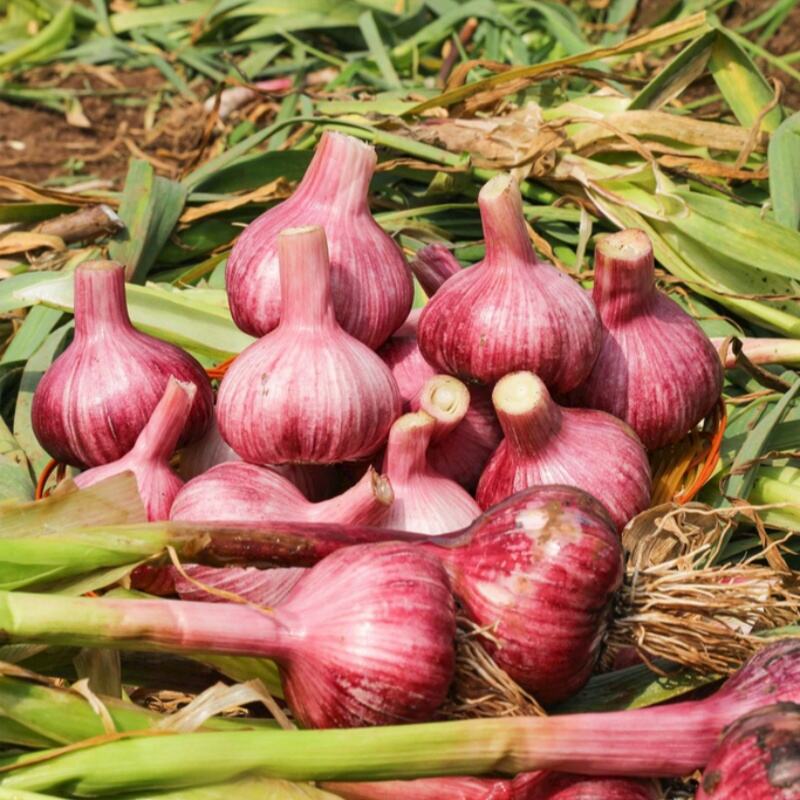
Red Onion Prices Per Pound: Complete Guide to Current Market Rates and Value

Get a Free Quote

Our representative will contact you soon.
Email
Name
Company Name
Products
Mobile/WhatsApp
Message
0/1000

red onion price per pound

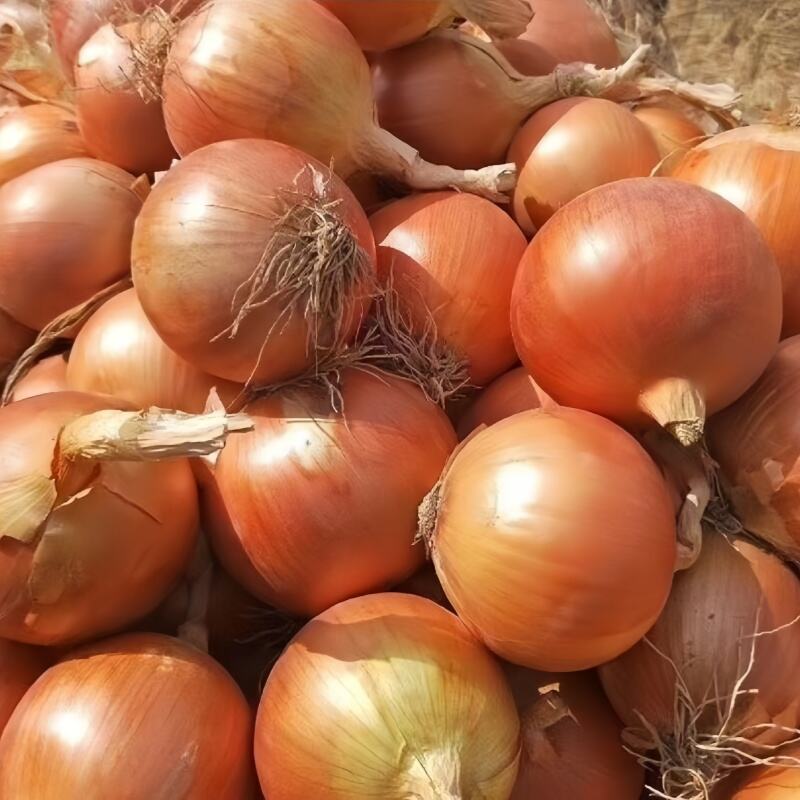
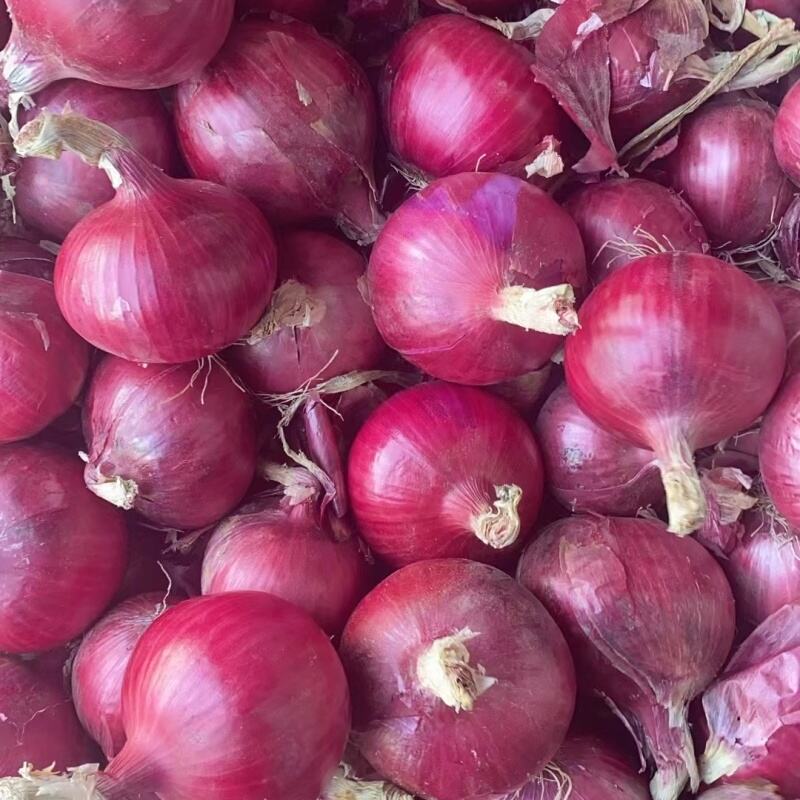
Red onion prices per pound represent a significant economic indicator in the fresh produce market, reflecting both seasonal variations and market dynamics. Currently averaging between $1.00 to $2.50 per pound in most retail locations, these prices fluctuate based on factors including harvest conditions, transportation costs, and market demand. Red onions, known for their distinctive purple-reddish skin and sharp, pungent flavor, are essential ingredients in both commercial and home kitchens. The pricing structure typically varies throughout the year, with peak season prices generally being lower due to abundant supply. Farmers and distributors determine these prices based on various factors including production costs, market competition, and regional availability. Modern storage technologies and improved transportation systems have helped stabilize prices throughout the year, though seasonal variations still occur. The price point often reflects the quality grade, size consistency, and freshness of the onions, with premium selections commanding higher prices per pound. Understanding these price dynamics is crucial for both consumers planning their grocery budgets and businesses managing their food costs.

New Products

The current red onion price per pound offers several distinct advantages for both consumers and commercial buyers. First, the pricing structure provides excellent value for money, considering the vegetable's versatility and storage longevity. Unlike many other fresh produce items, red onions can be stored for extended periods when properly maintained, making them a cost-effective purchase even when bought in larger quantities. The standardized per-pound pricing system allows for easy comparison shopping across different retailers and markets, enabling consumers to make informed purchasing decisions. For commercial buyers, the current pricing model facilitates accurate cost projections and menu planning. The price point also reflects the product's nutritional value, offering a rich source of antioxidants, vitamins, and minerals at a relatively low cost per serving. The pricing structure accommodates various purchasing needs, from small household quantities to bulk commercial orders, with appropriate scaling discounts. Additionally, the transparent pricing system helps maintain market competitiveness and ensures fair trading practices throughout the supply chain. The current price levels make red onions an accessible ingredient for diverse socioeconomic groups, contributing to healthy eating habits across different demographics. The pricing also supports sustainable farming practices while maintaining reasonable profit margins for farmers and distributors.

Practical Tips

Why Are Pumpkins a Key Commodity in Cross-Border Agricultural Trade?

26

Aug

Why Are Pumpkins a Key Commodity in Cross-Border Agricultural Trade?

The Role of Pumpkins in Global Agricultural Trade Pumpkins, a staple in both the culinary world and agriculture, have emerged as a significant commodity in cross-border agricultural trade. Their versatility in cuisine, as well as their value in proce...
View More
Why International Buyers Rely on Garlic Exporters from China?

26

Aug

Why International Buyers Rely on Garlic Exporters from China?

The Key Role of Garlic Exporters from China in Global Markets Garlic is one of the most popular and widely used ingredients in kitchens around the world. Its versatility, distinct flavor, and health benefits make it an essential component in a wide r...
View More
Why Do Food Manufacturers Rely on Stable Taro Supply Chains?

03

Nov

Why Do Food Manufacturers Rely on Stable Taro Supply Chains?

The Growing Importance of Taro in Global Food Manufacturing In recent years, food manufacturers worldwide have increasingly recognized the strategic value of maintaining stable taro supply chains. This versatile root vegetable, deeply rooted in Pacif...
View More
What Processing Methods Maintain Freshness and Taste of Exported Apples?

03

Nov

What Processing Methods Maintain Freshness and Taste of Exported Apples?

Modern Technologies Revolutionizing Apple Export Processing The global trade of exported apples represents a significant portion of the international fruit market, with millions of tons of apples crossing borders annually. Maintaining the pristine qu...
View More

Get a Free Quote

Our representative will contact you soon.
Email
Name
Company Name
Products
Mobile/WhatsApp
Message
0/1000

red onion price per pound

Seasonal Price Variations and Market Accessibility

Seasonal Price Variations and Market Accessibility

Red onion prices demonstrate notable seasonal fluctuations that directly impact market accessibility. During peak harvest seasons, typically in late summer and early fall, prices tend to reach their most competitive levels, often dropping by 20-30% compared to off-season rates. This seasonal pricing pattern creates opportunities for both consumers and businesses to optimize their purchasing strategies. The market accessibility is further enhanced by the widespread availability of red onions across various retail channels, from traditional grocery stores to farmers markets and online platforms. This broad distribution network helps maintain competitive pricing while ensuring consistent supply throughout the year. The predictable nature of these seasonal variations allows for better budget planning and inventory management for commercial users, while providing consumers with opportunities for bulk purchasing during favorable price periods.
Quality-Price Relationship and Value Proposition

Quality-Price Relationship and Value Proposition

The pricing structure of red onions reflects a direct correlation with quality grades and size classifications. Premium grade onions, characterized by uniform size, firm texture, and unblemished skin, typically command prices 15-25% higher than standard grades. This quality-based pricing system ensures consumers can choose products that best match their needs and budget constraints. The value proposition extends beyond mere price considerations, encompassing factors such as shelf life, flavor intensity, and culinary versatility. Higher quality red onions often prove more economical in the long run due to better storage capability and reduced waste, making them a cost-effective choice despite the higher initial price per pound.
Bulk Purchasing Benefits and Economic Impact

Bulk Purchasing Benefits and Economic Impact

The current pricing model for red onions offers significant advantages for bulk purchasing, with tiered pricing structures that benefit both commercial and residential buyers. Bulk purchases typically see price reductions of 10-40% compared to standard retail rates, depending on quantity and market conditions. This pricing strategy not only promotes cost savings but also encourages more efficient distribution and reduced packaging waste. The economic impact extends to local farming communities, where stable bulk pricing helps maintain sustainable agricultural practices and ensures steady income for producers. The bulk pricing system also supports food service industries and processing facilities by providing predictable cost structures for large-scale operations, ultimately contributing to more stable menu prices for consumers.

Get a Free Quote

Our representative will contact you soon.
Email
Name
Company Name
Products
Mobile/WhatsApp
Message
0/1000