 EN
EN
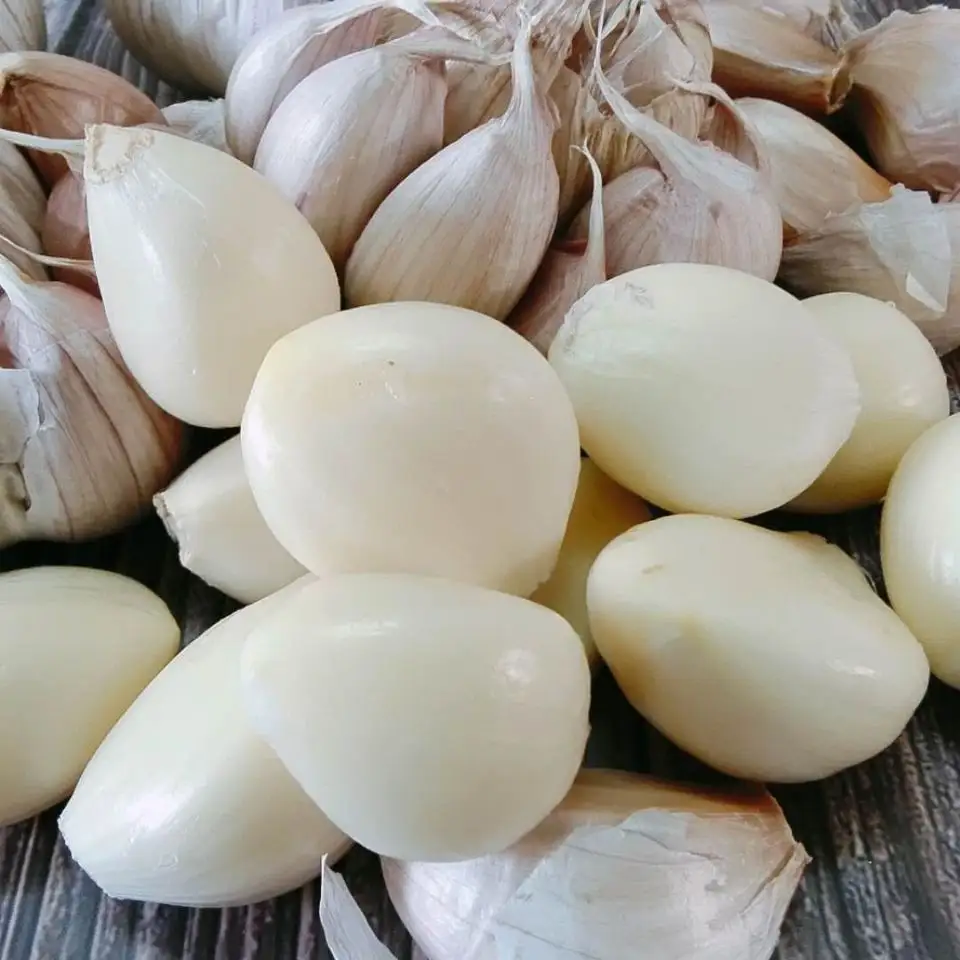
Maintaining quality during bulk fresh garlic handling requires a systematic approach that addresses temperature control, moisture management, and proper logistics coordination. Commercial buyers processing large volumes of bulk fresh garlic face unique challenges that differ significantly from small-scale operations, including extended storage periods, complex supply chains, and the need to preserve product integrity across multiple handling stages.
The key to successful bulk fresh garlic quality maintenance lies in understanding the physiological characteristics of garlic bulbs and implementing comprehensive handling protocols from the moment shipments arrive. This approach encompasses proper receiving procedures, optimal storage conditions, regular quality monitoring, and coordinated distribution planning that minimizes quality degradation throughout the supply chain.
Pre-Shipment Quality Assessment and Receiving Protocols
Inspection Standards for Incoming Bulk Fresh Garlic
Establishing rigorous inspection standards forms the foundation of quality maintenance for bulk fresh garlic shipments. Upon arrival, each shipment requires immediate visual assessment to identify signs of sprouting, soft spots, or discoloration that could indicate compromised quality. Professional handlers examine bulb firmness, skin integrity, and overall appearance to determine whether the bulk fresh garlic meets predetermined quality specifications.
Temperature verification during receiving plays a critical role in quality assessment protocols. Bulk fresh garlic shipments should arrive at temperatures between 32-35°F with relative humidity levels maintained at 60-70% during transport. Documentation of these parameters helps establish baseline conditions and identifies potential quality risks before products enter storage facilities.
Sample testing procedures involve selecting representative samples from different areas of the shipment to assess overall quality consistency. This systematic approach to bulk fresh garlic evaluation helps identify localized quality issues that might not be apparent during general visual inspections, enabling handlers to make informed decisions about storage allocation and processing priorities.
Documentation and Traceability Systems
Comprehensive documentation systems track bulk fresh garlic from origin through final distribution, creating accountability mechanisms that support quality maintenance efforts. Each shipment requires detailed records including harvest dates, storage conditions during transport, and any quality observations noted during receiving inspections.
Digital tracking systems enable real-time monitoring of bulk fresh garlic shipments, allowing handlers to correlate quality outcomes with specific handling practices or storage conditions. This data-driven approach facilitates continuous improvement in quality maintenance protocols and helps identify best practices for different garlic varieties or seasonal conditions.
Supplier communication protocols ensure that quality expectations are clearly communicated upstream, creating alignment between producers and handlers regarding bulk fresh garlic specifications. Regular feedback regarding quality performance helps strengthen supply chain relationships and promotes consistent product quality over time.
Optimal Storage Environment Management
Temperature and Humidity Control Systems
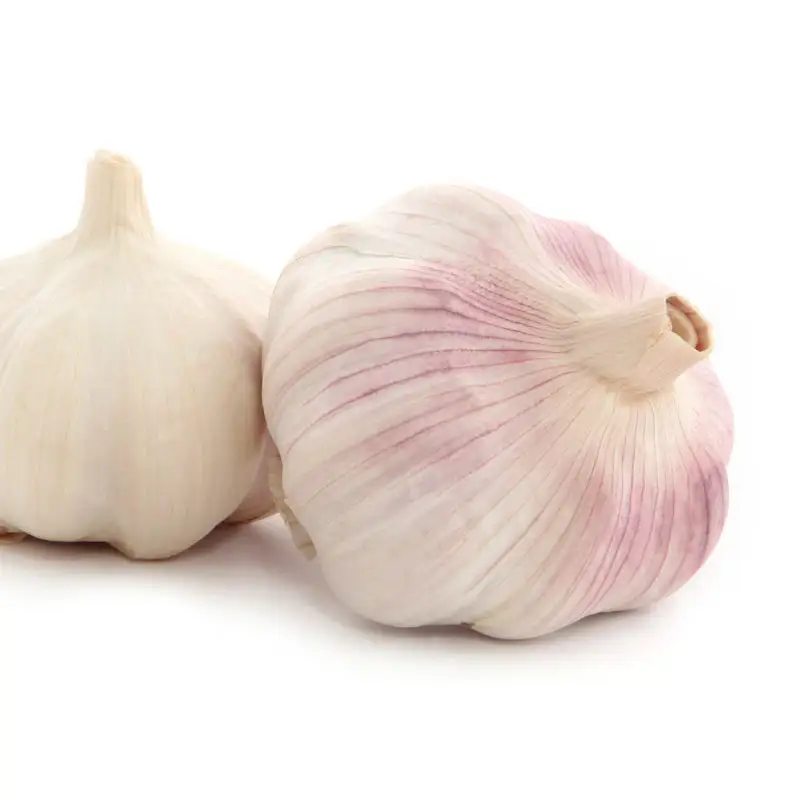
Maintaining precise environmental conditions represents the most critical factor in preserving bulk fresh garlic quality during extended storage periods. Optimal storage temperatures range from 32-35°F, with relative humidity maintained between 60-70% to prevent moisture loss while avoiding conditions that promote sprouting or fungal development.
Advanced climate control systems monitor and adjust environmental parameters continuously, responding to external weather conditions and internal load variations that could affect storage quality. These systems typically include backup cooling capacity and humidity management equipment to ensure consistent conditions even during equipment maintenance or power interruptions.
Air circulation management prevents hot spots and ensures uniform conditions throughout bulk fresh garlic storage areas. Properly designed ventilation systems maintain gentle air movement that promotes even temperature distribution while avoiding excessive air velocity that could cause moisture loss or physical damage to garlic bulbs.
Storage Container Selection and Arrangement
Container selection significantly impacts quality maintenance for bulk fresh garlic shipments, with breathable materials preferred over sealed containers that could trap moisture and promote deterioration. Mesh bags, ventilated crates, or perforated containers allow adequate air circulation while providing protection during handling and storage operations.
Strategic arrangement of storage containers facilitates air circulation and enables efficient quality monitoring throughout storage areas. bulk fresh garlic containers should be positioned to allow easy access for regular inspections while maintaining proper spacing for air movement between storage units.
Stack height limitations prevent compression damage and ensure adequate air circulation to containers positioned lower in storage arrangements. Generally, bulk fresh garlic containers should not be stacked more than six units high to maintain product integrity and enable effective quality monitoring throughout storage periods.
Quality Monitoring and Maintenance Procedures
Regular Inspection Schedules and Protocols
Systematic inspection schedules ensure early detection of quality issues before they spread throughout bulk fresh garlic shipments. Daily visual inspections focus on obvious quality indicators such as sprouting, soft spots, or visible mold development that require immediate attention and potential product removal.
Weekly detailed inspections involve more comprehensive assessment of bulk fresh garlic quality, including firmness testing, moisture content evaluation, and documentation of any changes in product condition since previous inspections. These detailed assessments help identify gradual quality changes that might not be apparent during daily visual checks.
Monthly comprehensive evaluations assess overall storage performance and identify opportunities for improvement in handling procedures or environmental controls. These evaluations typically include analysis of quality trends, storage loss calculations, and review of handling protocols to optimize bulk fresh garlic quality maintenance strategies.
Corrective Action Implementation
Rapid response protocols address quality issues immediately upon detection, preventing localized problems from spreading to healthy bulk fresh garlic inventory. These protocols typically involve isolation of affected product, environmental assessment of storage areas, and implementation of specific corrective measures based on the nature of quality concerns identified.
Environmental adjustments respond to quality indicators that suggest suboptimal storage conditions, such as excessive sprouting indicating too-warm temperatures or soft spots suggesting humidity imbalances. Prompt adjustment of temperature, humidity, or air circulation parameters helps prevent further quality deterioration in remaining bulk fresh garlic inventory.
Product segregation strategies separate bulk fresh garlic showing quality concerns from healthy inventory, preventing cross-contamination and enabling targeted handling approaches for different quality grades. This segregation allows handlers to maximize value recovery from shipments while maintaining overall quality standards for premium product distribution.
Distribution Planning and Quality Preservation
First-In-First-Out Inventory Management
Proper inventory rotation ensures that bulk fresh garlic shipments are distributed based on arrival dates and quality assessments, minimizing storage time for older inventory while maintaining consistent product quality for customers. This approach requires careful tracking of shipment dates and regular assessment of quality changes over time.
Quality-based distribution prioritizes bulk fresh garlic showing optimal condition for immediate shipment while allocating products with minor quality concerns to applications where they can be used effectively before further deterioration occurs. This strategic approach maximizes overall value recovery from shipments while maintaining customer satisfaction.
Customer communication regarding product quality helps set appropriate expectations and ensures that bulk fresh garlic shipments are used promptly upon delivery. Providing customers with handling recommendations and storage guidance helps maintain quality throughout the distribution chain and reduces potential quality complaints.
Transportation Quality Control
Transportation planning maintains the cold chain integrity established during storage, ensuring that bulk fresh garlic quality is preserved throughout distribution activities. This includes selection of appropriate refrigerated transportation, verification of equipment performance, and coordination with carriers regarding temperature maintenance requirements.
Loading procedures minimize handling damage and ensure that bulk fresh garlic containers are properly secured and protected during transport. Careful attention to container arrangement, securing methods, and protection from temperature fluctuations helps maintain product quality during distribution to customers.
Delivery scheduling coordinates timing with customer receiving capabilities to minimize time between shipment departure and final destination arrival. Prompt delivery and immediate transfer to appropriate storage conditions help maintain bulk fresh garlic quality throughout the supply chain and support customer satisfaction objectives.
FAQ
What temperature should bulk fresh garlic be stored at during handling?
Bulk fresh garlic should be stored at temperatures between 32-35°F with relative humidity maintained at 60-70%. These conditions prevent sprouting while avoiding moisture loss that could compromise quality. Temperature consistency is critical, as fluctuations can trigger physiological changes that reduce storage life and product quality.
How often should bulk fresh garlic shipments be inspected for quality issues?
Daily visual inspections should check for obvious quality problems like sprouting or soft spots, while weekly detailed inspections should assess firmness and moisture content. Monthly comprehensive evaluations help identify trends and optimize handling procedures. The inspection frequency may need to increase during warmer weather or when handling garlic varieties with shorter storage life.
What are the most common quality problems with bulk fresh garlic shipments?
The most common quality issues include sprouting due to warm temperatures, soft spots from mechanical damage or moisture problems, and dehydration from low humidity conditions. Proper environmental controls, careful handling procedures, and regular quality monitoring help prevent these problems and maintain bulk fresh garlic quality throughout storage and distribution.
How can handlers prevent quality loss during bulk fresh garlic distribution?
Maintaining cold chain integrity during transportation, using proper inventory rotation based on arrival dates and quality assessments, and coordinating with customers for prompt delivery and proper receiving procedures help preserve quality. Clear communication about handling requirements and storage recommendations helps customers maintain quality after delivery.
Table of Contents
- Pre-Shipment Quality Assessment and Receiving Protocols
- Optimal Storage Environment Management
- Quality Monitoring and Maintenance Procedures
- Distribution Planning and Quality Preservation
-
FAQ
- What temperature should bulk fresh garlic be stored at during handling?
- How often should bulk fresh garlic shipments be inspected for quality issues?
- What are the most common quality problems with bulk fresh garlic shipments?
- How can handlers prevent quality loss during bulk fresh garlic distribution?