 EN
EN

When B2B buyers venture into the wholesale fresh fuji apples market, understanding the critical selection factors becomes essential for ensuring product quality, customer satisfaction, and profitable operations. The decision to purchase fresh fuji apples in bulk requires careful evaluation of multiple variables that directly impact the final product delivered to end consumers. Professional buyers must navigate through quality standards, seasonal availability, storage requirements, and supplier capabilities to make informed purchasing decisions that align with their business objectives.
The complexity of bulk fresh fuji apples procurement extends beyond simple price comparisons, encompassing quality assessment protocols, supply chain logistics, and long-term supplier relationships. Successful B2B buyers recognize that selecting the right fresh fuji apples requires comprehensive knowledge of industry standards, seasonal patterns, and quality indicators that ensure consistent product delivery. This strategic approach to fresh fuji apples selection directly influences business performance, customer retention, and market positioning in competitive wholesale environments.
Quality Standards and Grade Classifications
Understanding Industry Grading Systems
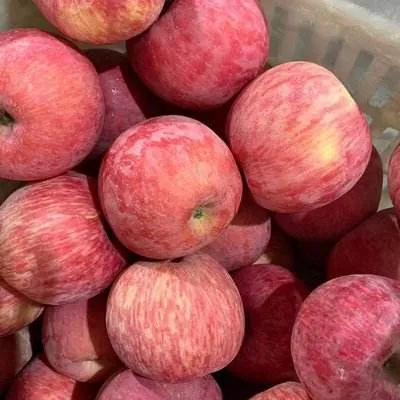
Professional buyers must familiarize themselves with established grading systems that classify fresh fuji apples according to size, color, shape, and surface quality. These standardized classifications provide consistent benchmarks for evaluating bulk fresh fuji apples across different suppliers and regions. Grade A fresh fuji apples typically exhibit uniform size, vibrant red coloration over yellow-green background, and minimal surface defects that meet premium market expectations.
The grading process for fresh fuji apples involves comprehensive visual inspection, size measurement, and defect assessment that determines market value and suitability for specific applications. B2B buyers should understand that higher-grade fresh fuji apples command premium prices but offer superior shelf life, visual appeal, and customer acceptance rates. Lower-grade classifications may provide cost advantages for processing applications while maintaining acceptable quality standards for specific market segments.
Physical Quality Indicators
Experienced buyers examine fresh fuji apples for firmness, skin integrity, and overall appearance that indicate proper handling and storage conditions throughout the supply chain. Firmness testing reveals the internal quality and expected storage life of fresh fuji apples, with optimal specimens exhibiting consistent pressure resistance across the fruit surface. Surface blemishes, bruising, or soft spots signal potential quality issues that may affect product performance and customer satisfaction.
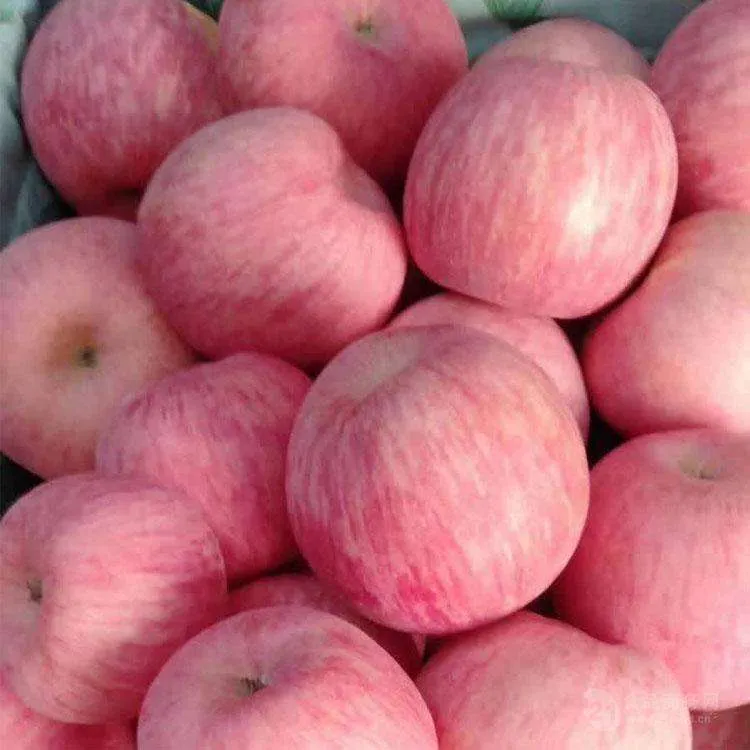
Color development serves as another critical indicator for fresh fuji apples quality assessment, with well-developed specimens displaying characteristic red striping over yellow-green background coloration. The intensity and distribution of red coloration often correlate with sugar content, flavor development, and overall eating quality that consumers expect from premium fresh fuji apples. Professional buyers should evaluate color consistency across bulk quantities to ensure uniform product presentation and market appeal.
Seasonal Availability and Timing Considerations
Harvest Season Optimization
Strategic timing for fresh fuji apples procurement aligns with peak harvest periods that deliver optimal quality and competitive pricing for bulk buyers. The primary harvest season for fresh fuji apples typically occurs during late fall months, providing the freshest inventory with maximum storage potential and superior eating quality. B2B buyers who time their purchases during peak harvest periods often secure better pricing, improved quality selection, and enhanced supplier cooperation.
Post-harvest availability of fresh fuji apples extends through controlled atmosphere storage systems that maintain quality for extended periods beyond the natural harvest window. Understanding storage technology capabilities enables buyers to plan procurement schedules that balance cost considerations with quality expectations throughout the marketing year. Professional buyers should evaluate supplier storage facilities and quality maintenance protocols to ensure consistent fresh fuji apples quality during off-season periods.
Market Cycle Planning
Effective procurement strategies for fresh fuji apples incorporate market cycle analysis that predicts price fluctuations, availability patterns, and quality variations throughout the annual cycle. Early season fresh fuji apples may command premium prices due to limited availability, while mid-season procurement often provides optimal balance between quality, availability, and cost considerations. Late-season purchasing may offer cost advantages but requires careful quality assessment to ensure acceptable shelf life and performance characteristics.
B2B buyers should develop procurement calendars that align fresh fuji apples purchasing with business demand cycles, storage capabilities, and market opportunities. This strategic approach enables better inventory management, improved cash flow planning, and enhanced ability to meet customer requirements consistently. Understanding seasonal quality variations helps buyers set appropriate expectations and quality standards for different procurement periods throughout the marketing year.
Supply Chain and Logistics Management
Cold Chain Requirements
Maintaining proper cold chain management for fresh fuji apples requires understanding optimal temperature ranges, humidity control, and handling procedures that preserve quality during transportation and storage. Professional cold chain systems maintain temperatures between 30-32°F with relative humidity levels of 90-95% to minimize moisture loss, prevent freezing damage, and extend shelf life for bulk fresh fuji apples shipments.
Transportation logistics for fresh fuji apples must account for temperature-controlled vehicles, loading procedures, and delivery scheduling that minimizes quality degradation during transit. B2B buyers should evaluate supplier cold chain capabilities, transportation partnerships, and quality assurance protocols to ensure consistent product delivery. Proper cold chain management directly impacts the shelf life, eating quality, and market value of fresh fuji apples throughout the distribution process.
Packaging and Handling Standards
Professional packaging systems for bulk fresh fuji apples incorporate protective materials, proper sizing, and labeling requirements that facilitate efficient handling while minimizing product damage. Standard bulk packaging options include corrugated boxes, plastic crates, and bulk bins that accommodate different handling systems and storage requirements. B2B buyers should specify packaging requirements that align with their handling capabilities, storage systems, and customer delivery expectations.
Handling procedures for fresh fuji apples require gentle treatment throughout the supply chain to prevent bruising, surface damage, and quality degradation that affects product value. Professional suppliers implement handling protocols that minimize drop heights, reduce compression damage, and maintain product orientation during transportation and storage. Understanding proper handling requirements enables B2B buyers to evaluate supplier capabilities and establish quality expectations for bulk fresh fuji apples deliveries.
Supplier Evaluation and Relationship Management
Supplier Qualification Criteria
Comprehensive supplier evaluation for fresh fuji apples encompasses production capabilities, quality management systems, certifications, and track record assessment that ensures reliable partnership performance. Professional suppliers demonstrate consistent quality delivery, responsive communication, and flexible service capabilities that support B2B buyer requirements. Evaluation criteria should include production scale, geographic coverage, storage facilities, and quality assurance programs that align with buyer specifications.
Certification requirements for fresh fuji apples suppliers may include food safety standards, organic certifications, and quality management systems that meet industry requirements and customer expectations. B2B buyers should verify supplier certifications, audit results, and compliance records to ensure adherence to required standards. Professional suppliers maintain current certifications, documented procedures, and traceability systems that support quality assurance and regulatory compliance throughout the supply chain.
Partnership Development Strategies
Long-term partnership development with fresh fuji apples suppliers creates mutual benefits through improved communication, priority allocation, and collaborative quality improvement initiatives. Successful partnerships involve regular performance reviews, feedback mechanisms, and joint planning sessions that align supplier capabilities with buyer requirements. Professional relationships often result in preferential pricing, priority service, and enhanced quality support that benefits both parties.
Contract negotiations for bulk fresh fuji apples should address quality specifications, delivery schedules, pricing mechanisms, and performance standards that protect buyer interests while ensuring supplier profitability. Clear contract terms reduce misunderstandings, establish accountability measures, and provide frameworks for resolving disputes that may arise during the business relationship. Professional buyers develop contract templates that standardize requirements while allowing flexibility for specific supplier capabilities and market conditions.
FAQ
What is the optimal storage temperature for bulk fresh fuji apples?
The optimal storage temperature for bulk fresh fuji apples ranges between 30-32°F (-1 to 0°C) with relative humidity maintained at 90-95%. This temperature range prevents freezing damage while significantly slowing respiration rates and extending shelf life. Professional storage facilities use controlled atmosphere systems that also regulate oxygen and carbon dioxide levels to further enhance preservation of fresh fuji apples quality during extended storage periods.
How long can fresh fuji apples maintain quality in bulk storage?
Fresh fuji apples can maintain acceptable quality for 4-6 months in proper controlled atmosphere storage conditions, with some premium specimens retaining quality for up to 8 months. Storage life depends on harvest maturity, handling procedures, storage conditions, and initial fruit quality. B2B buyers should work with suppliers to establish realistic shelf life expectations based on intended storage duration and quality requirements for their specific applications.
What quality defects should B2B buyers reject when selecting fresh fuji apples?
B2B buyers should reject fresh fuji apples exhibiting soft spots, extensive bruising, skin breaks, insect damage, or signs of decay that indicate compromised quality or shortened shelf life. Surface scald, bitter pit, and internal breakdown are serious defects that affect eating quality and market acceptance. Professional buyers establish clear rejection criteria based on their quality standards, customer requirements, and intended use applications to ensure consistent product quality.
How should B2B buyers verify the origin and traceability of bulk fresh fuji apples?
Professional suppliers provide documentation including lot numbers, harvest dates, grower information, and handling records that establish complete traceability for bulk fresh fuji apples shipments. B2B buyers should request certificates of origin, quality test results, and chain of custody documentation that verify product source and handling history. Traceability systems enable rapid response to quality issues, facilitate recall procedures, and demonstrate due diligence in supplier qualification and product sourcing.