 EN
EN
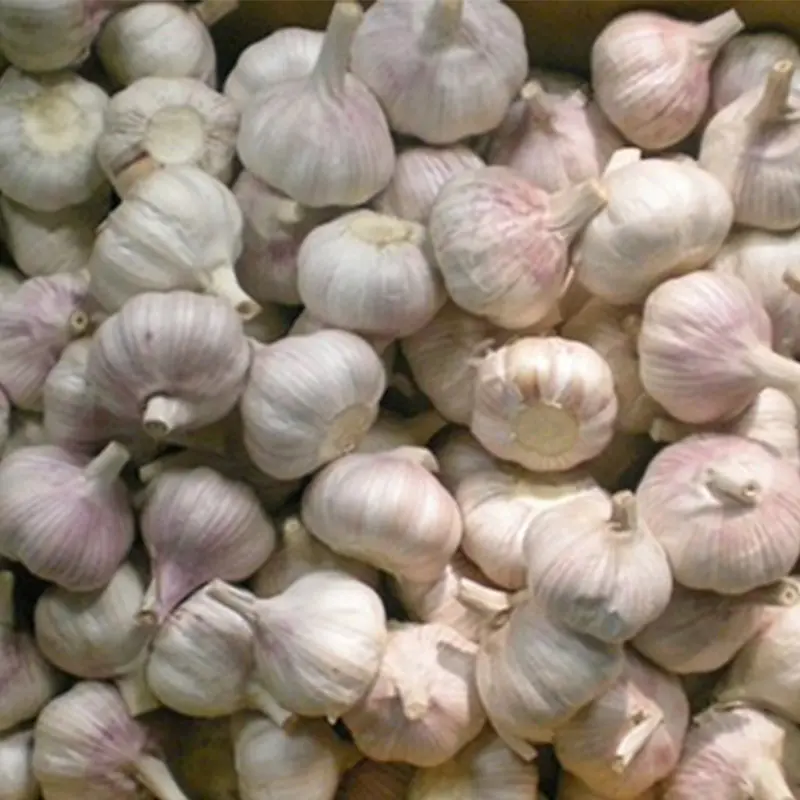
The foodservice industry relies heavily on efficient ingredient sourcing to maintain consistent quality while managing costs effectively. Among the most versatile and essential ingredients in commercial kitchens worldwide, bulk fresh garlic stands as a cornerstone of culinary operations across restaurants, catering companies, and institutional food providers. This aromatic bulb transforms ordinary dishes into memorable culinary experiences while offering significant economic advantages when purchased in larger quantities.
Professional chefs and kitchen managers understand that sourcing ingredients in bulk quantities provides numerous operational benefits beyond simple cost savings. The strategic procurement of bulk fresh garlic enables foodservice establishments to maintain inventory consistency, reduce frequent ordering cycles, and ensure that this fundamental flavoring agent remains readily available during peak service periods. Modern commercial kitchens depend on reliable supplier relationships to deliver consistent quality products that meet the demanding standards of professional culinary environments.
Primary Applications in Restaurant Operations
Base Preparation and Flavor Foundation
Commercial kitchens utilize bulk fresh garlic as the foundation for countless flavor profiles that define restaurant signatures and menu consistency. Professional chefs recognize that fresh garlic provides superior flavor complexity compared to processed alternatives, making it indispensable for creating memorable dining experiences. The aromatic compounds released during proper preparation techniques enhance everything from simple sautéed vegetables to complex sauce bases that require hours of careful development.
Kitchen staff frequently prepare large quantities of minced, sliced, or whole garlic during prep periods to ensure efficient service during busy meal periods. This preparation strategy allows restaurants to maintain consistent flavor profiles across multiple dishes while reducing preparation time during critical service windows. The versatility of bulk fresh garlic enables culinary teams to adapt recipes quickly based on seasonal menu changes or customer preferences without compromising the fundamental flavor characteristics that customers expect.
Sauce and Marinade Production
Professional foodservice operations depend on bulk fresh garlic for producing signature sauces, marinades, and flavor enhancers that distinguish their offerings from competitors. Whether creating classic aioli, robust pasta sauces, or complex Asian-inspired marinades, fresh garlic provides the authentic flavor foundation that processed alternatives cannot replicate. Commercial kitchen staff often prepare these components in large batches to ensure consistency across multiple service periods while maximizing labor efficiency.
The economic benefits of purchasing bulk fresh garlic become particularly evident in sauce production where significant quantities are required to meet daily production demands. Restaurant operations that specialize in garlic-forward cuisines, such as Italian, Mediterranean, or Asian establishments, rely on consistent garlic procurement to maintain their culinary identity. The ability to process fresh garlic in-house ensures optimal flavor extraction while providing complete control over ingredient quality and preparation methods.

Institutional and Catering Applications
Large-Scale Event Preparation
Catering companies and institutional food providers face unique challenges when preparing meals for hundreds or thousands of individuals simultaneously. Bulk fresh garlic procurement enables these operations to maintain flavor consistency across massive production volumes while managing ingredient costs effectively. Professional catering teams understand that fresh garlic provides superior flavor distribution in large-batch cooking compared to processed alternatives that may lose potency during extended cooking periods.
Event catering requires precise ingredient planning to ensure adequate supplies without excessive waste, making bulk fresh garlic purchasing strategies essential for successful operations. The extended shelf life of properly stored fresh garlic allows catering professionals to maintain inventory flexibility while accommodating last-minute event modifications or guest count adjustments. This operational flexibility proves invaluable when managing multiple concurrent events with varying menu requirements and service timelines.
Healthcare and Educational Food Services
Institutional food providers serving healthcare facilities, schools, and corporate dining programs rely on bulk fresh garlic to enhance nutritionally focused menu offerings while maintaining cost efficiency. These operations must balance flavor enhancement with dietary restrictions and nutritional guidelines, making fresh garlic an ideal ingredient due to its natural health benefits and versatile application methods. Healthcare food services particularly value fresh garlic for its antimicrobial properties and potential cardiovascular benefits when incorporated into patient meal programs.
Educational food services utilize bulk fresh garlic to create appealing, nutritious meals that encourage healthy eating habits among students while managing tight budget constraints. The ability to enhance simple, wholesome ingredients with fresh garlic helps institutional kitchens create satisfying meals that compete with less healthy alternatives available outside school environments. Professional food service managers recognize that bulk purchasing strategies for essential ingredients like fresh garlic contribute significantly to overall operational efficiency and menu program success.
Cost Management and Operational Efficiency
Supply Chain Optimization
Foodservice operations that implement strategic bulk fresh garlic purchasing programs achieve significant cost advantages while improving supply chain reliability. Professional procurement managers understand that establishing relationships with reliable suppliers ensures consistent product availability during seasonal fluctuations or market disruptions that can impact smaller quantity purchases. The economies of scale achieved through bulk purchasing enable restaurants and catering operations to allocate more resources toward other critical operational areas while maintaining ingredient quality standards.
Effective inventory management systems allow foodservice operations to monitor bulk fresh garlic usage patterns and optimize ordering cycles to minimize waste while ensuring adequate supplies during peak demand periods. This data-driven approach to ingredient procurement helps kitchen managers make informed decisions about storage requirements, preparation scheduling, and menu planning strategies. The predictable nature of garlic consumption in professional kitchens makes it an ideal candidate for bulk purchasing programs that support long-term operational planning initiatives.
Storage and Preservation Strategies
Professional foodservice operations implement sophisticated storage systems to maximize the value of bulk fresh garlic investments while maintaining optimal product quality throughout extended storage periods. Proper temperature control, humidity management, and air circulation systems ensure that bulk garlic quantities retain their flavor potency and structural integrity until needed for preparation. Kitchen managers train staff on proper handling procedures to minimize product loss and maintain food safety standards throughout the storage and preparation process.
Advanced food service operations utilize inventory rotation systems that prioritize older stock while maintaining freshness standards for customer-facing dishes. These systematic approaches to bulk fresh garlic management help operations achieve optimal return on ingredient investments while minimizing food waste that impacts profitability. The implementation of proper storage protocols enables foodservice establishments to take advantage of seasonal pricing opportunities and supplier volume discounts without compromising product quality or operational efficiency.
Menu Development and Culinary Innovation
Seasonal Menu Adaptations
Professional chefs leverage bulk fresh garlic availability to develop seasonal menu offerings that showcase the ingredient's versatility across diverse culinary applications. The consistent supply provided by bulk purchasing enables kitchen teams to experiment with new preparation techniques and flavor combinations without worrying about ingredient availability constraints. This creative freedom allows restaurants to develop signature dishes that incorporate fresh garlic in innovative ways while maintaining cost-effective ingredient utilization.
Seasonal menu development often requires significant quantities of bulk fresh garlic for testing and refinement phases before introducing new dishes to customers. Professional culinary teams understand that having adequate supplies of quality ingredients during development periods enables thorough testing of flavor profiles, cooking methods, and presentation techniques. The ability to iterate quickly on new menu concepts without ingredient procurement delays accelerates the menu development process and improves overall program success rates.
Cross-Cultural Cuisine Integration
Modern foodservice operations increasingly incorporate diverse culinary traditions that rely heavily on fresh garlic as a fundamental flavoring component. Bulk fresh garlic procurement enables restaurants to authentically represent various international cuisines while maintaining consistent ingredient quality across different preparation methods. Whether preparing traditional French confit, Korean fermented preparations, or Middle Eastern spice blends, fresh garlic provides the authentic flavor foundation that customers expect from quality ethnic cuisine offerings.
The growing popularity of fusion cuisine concepts requires foodservice operations to maintain extensive ingredient inventories that support creative culinary combinations from multiple cultural traditions. Bulk fresh garlic serves as a common denominator across many international flavor profiles, making it an essential component for restaurants seeking to offer diverse menu options without excessive ingredient complexity. Professional kitchen teams appreciate the flexibility that adequate garlic supplies provide when adapting traditional recipes to contemporary dining preferences and dietary requirements.
Quality Control and Food Safety Considerations
Supplier Verification and Standards
Professional foodservice operations implement rigorous quality control procedures to ensure that bulk fresh garlic meets safety and quality standards required for commercial food preparation. Reliable suppliers provide detailed documentation regarding growing practices, harvest dates, and handling procedures that help kitchen managers make informed purchasing decisions. These quality assurance protocols protect both the foodservice operation and its customers while ensuring consistent ingredient performance across multiple preparation applications.
Regular quality inspections of bulk fresh garlic shipments enable professional kitchens to identify potential issues before they impact food preparation or customer satisfaction. Kitchen staff receive training on visual inspection techniques, proper handling procedures, and storage requirements that maintain product integrity throughout the inventory cycle. This systematic approach to quality management helps foodservice operations maintain their reputation for consistency while maximizing the value of bulk ingredient investments.
Traceability and Documentation Systems
Modern foodservice operations maintain detailed records of bulk fresh garlic purchases, storage conditions, and usage patterns to support food safety protocols and operational analysis. These documentation systems enable rapid response to potential contamination issues while providing valuable data for inventory optimization and cost management initiatives. Professional food safety programs require comprehensive ingredient tracking that bulk purchasing arrangements can support through established supplier relationships and standardized documentation procedures.
Advanced foodservice operations utilize technology systems that integrate supplier information, delivery schedules, and inventory tracking to create comprehensive oversight of bulk fresh garlic procurement and utilization. This systematic approach to ingredient management supports both regulatory compliance requirements and operational efficiency initiatives that contribute to overall business success. The ability to demonstrate proper ingredient handling and traceability provides competitive advantages in markets where food safety reputation significantly impacts customer trust and business growth.
FAQ
How long can bulk fresh garlic be stored in commercial foodservice operations?
Properly stored bulk fresh garlic can maintain quality for 3-6 months in commercial foodservice environments when kept in cool, dry conditions with adequate air circulation. Professional storage systems typically maintain temperatures between 32-40°F with humidity levels around 65-70% to optimize shelf life. Regular inventory rotation ensures that older stock is used first while maintaining consistent quality standards for customer-facing dishes.
What are the main cost savings achieved through bulk fresh garlic purchasing?
Foodservice operations typically achieve 15-30% cost savings through bulk fresh garlic purchasing compared to smaller quantity orders, depending on volume and supplier arrangements. Additional savings come from reduced ordering frequency, lower delivery costs, and improved inventory management efficiency. These cost advantages enable restaurants and catering operations to allocate resources toward other operational priorities while maintaining ingredient quality standards.
How should foodservice operations handle bulk fresh garlic to ensure food safety?
Professional food safety protocols require bulk fresh garlic to be stored in clean, dry environments with proper temperature control and regular quality inspections. Staff training on proper handling techniques, cross-contamination prevention, and storage rotation procedures ensures compliance with health department regulations. Documentation systems should track supplier information, delivery dates, and usage patterns to support traceability requirements and rapid response capabilities if issues arise.
What preparation methods work best for bulk fresh garlic in commercial kitchens?
Commercial kitchens optimize bulk fresh garlic utilization through systematic preparation methods including peeling and mincing during designated prep periods, creating flavored oils and compounds for future use, and preparing portion-controlled quantities for specific menu applications. Professional food processors and proper knife techniques enable efficient processing of large quantities while maintaining consistent results. Vacuum sealing and proper storage of prepared garlic extends usability while reducing daily preparation time during busy service periods.
Table of Contents
- Primary Applications in Restaurant Operations
- Institutional and Catering Applications
- Cost Management and Operational Efficiency
- Menu Development and Culinary Innovation
- Quality Control and Food Safety Considerations
-
FAQ
- How long can bulk fresh garlic be stored in commercial foodservice operations?
- What are the main cost savings achieved through bulk fresh garlic purchasing?
- How should foodservice operations handle bulk fresh garlic to ensure food safety?
- What preparation methods work best for bulk fresh garlic in commercial kitchens?