 EN
EN
Commercial kitchens face unique challenges when sourcing ingredients, particularly when it comes to selecting premium peeled garlic that meets both quality standards and operational efficiency requirements. The decision to incorporate peeled garlic into commercial food preparation operations requires careful consideration of multiple factors including freshness indicators, supplier reliability, storage requirements, and cost-effectiveness. Professional chefs and kitchen managers understand that the quality of their garlic directly impacts flavor profiles, food safety protocols, and overall customer satisfaction across diverse culinary applications.
Understanding Quality Indicators for Commercial Peeled Garlic
Visual Inspection Standards
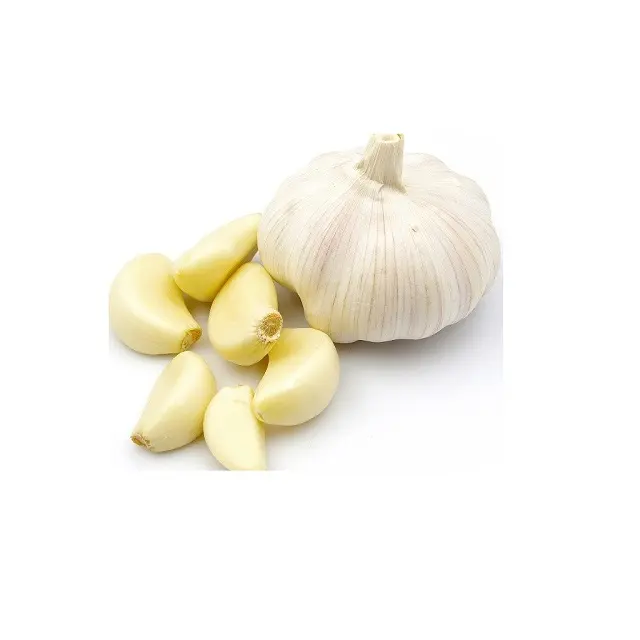
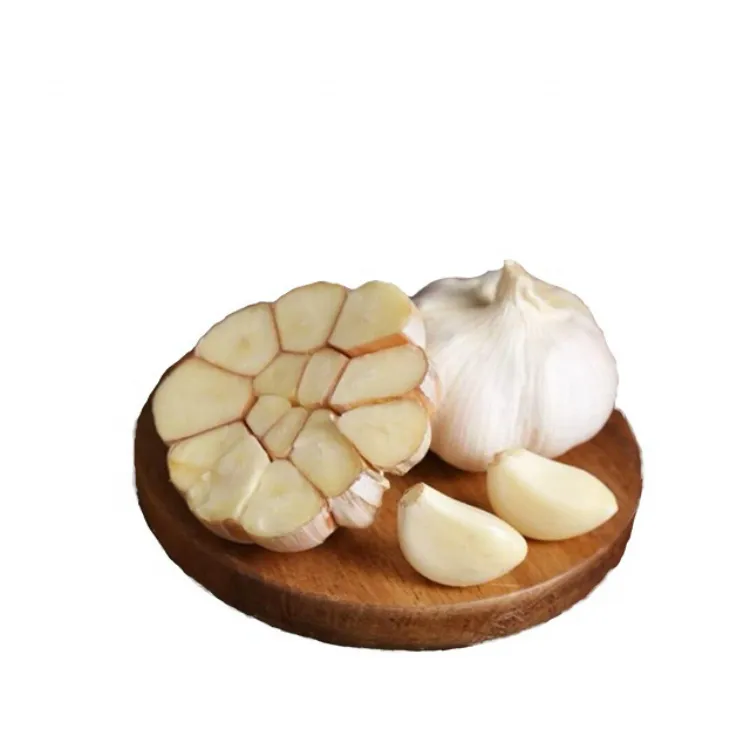
High-quality peeled garlic exhibits specific visual characteristics that distinguish premium products from inferior alternatives. Fresh cloves should display a pristine white or cream-colored appearance without dark spots, blemishes, or discoloration that might indicate deterioration or improper handling. The surface texture should appear smooth and firm, lacking any soft areas or wrinkled skin that suggests moisture loss or age-related degradation.
Professional buyers should examine individual cloves for uniformity in size and shape, as consistent dimensions facilitate portion control and cooking time predictability in commercial applications. Any signs of sprouting, green shoots, or root development indicate that the garlic has been stored too long or under inappropriate conditions. Quality peeled garlic maintains its natural translucent appearance while avoiding the yellow or brown tinting that develops in overaged products.
Aroma and Texture Assessment
Fresh peeled garlic produces a characteristic sharp, pungent aroma that intensifies when crushed or cut, indicating high allicin content and optimal flavor compounds. Commercial buyers should detect this distinctive smell immediately upon opening packaging, as weak or off-odors suggest deterioration or contamination. The absence of sour, fermented, or musty scents confirms proper handling and storage throughout the supply chain.
Texture evaluation requires physical examination of individual cloves, which should feel firm and solid when gently pressed between fingers. High-quality peeled garlic maintains structural integrity without becoming mushy or developing soft spots that compromise usability in professional kitchens. The cloves should separate cleanly without breaking apart or leaving residual debris that might affect presentation or cooking performance.
Supplier Evaluation and Certification Requirements
Food Safety Compliance Standards
Commercial peeled garlic suppliers must demonstrate compliance with comprehensive food safety regulations including HACCP protocols, FDA guidelines, and relevant international quality certifications. Reputable suppliers provide detailed documentation regarding their processing facilities, sanitation procedures, and quality control measures implemented throughout production and distribution phases. These certifications ensure that peeled garlic meets stringent commercial kitchen requirements for pathogen control and contamination prevention.
Third-party audits and certifications such as SQF, BRC, or organic certifications provide additional assurance regarding supplier reliability and product consistency. Commercial buyers should verify that suppliers maintain current certifications and demonstrate ongoing commitment to quality improvement initiatives. Documentation should include allergen statements, nutritional information, and traceability records that support inventory management and regulatory compliance requirements.
Supply Chain Reliability Factors
Consistent availability represents a critical factor when selecting peeled garlic suppliers for commercial operations that require reliable ingredient sourcing throughout seasonal variations. Established suppliers typically maintain diversified growing regions and processing capabilities that ensure continuous product availability despite weather-related disruptions or agricultural challenges. Long-term partnerships with reliable suppliers provide price stability and priority access during peak demand periods.
Geographic proximity to processing facilities can influence product freshness and transportation costs, making local or regional suppliers attractive options for many commercial kitchens. However, buyers should balance proximity considerations against quality standards, pricing competitiveness, and service reliability when making supplier selection decisions. Effective suppliers provide flexible ordering options, emergency supply capabilities, and responsive customer service that supports operational continuity.
Storage and Handling Best Practices
Temperature Control Requirements
Optimal storage conditions for commercial peeled garlic require precise temperature control typically maintained between 32-35°F in refrigerated environments that prevent spoilage while preserving flavor integrity. Consistent temperature maintenance prevents condensation formation that can promote bacterial growth and accelerate deterioration. Commercial kitchens should implement temperature monitoring systems that provide alerts when storage conditions deviate from acceptable ranges.
Freezing represents an alternative storage method that extends shelf life significantly, though texture changes may affect certain culinary applications. Frozen peeled garlic maintains nutritional value and flavor compounds while providing extended storage flexibility for commercial operations with varying usage patterns. Proper thawing procedures ensure optimal texture recovery and prevent moisture accumulation that might compromise product quality.
Packaging and Container Considerations
Commercial peeled garlic packaging should provide moisture control, oxygen barrier properties, and protection against contamination during storage and handling operations. Vacuum-sealed packages, modified atmosphere packaging, or specialized containers with moisture-absorbing properties help maintain product quality throughout extended storage periods. Clear labeling with production dates, expiration information, and handling instructions supports proper inventory rotation and food safety compliance.
Portion-controlled packaging options facilitate precise inventory management and reduce waste in commercial kitchen environments where consistent portioning affects cost control and recipe standardization. Resealable containers or individual serving packages provide flexibility for operations with varying usage volumes while maintaining product freshness between uses. Packaging materials should comply with food-grade standards and provide adequate protection during transportation and storage.
Cost Analysis and Value Optimization
Price Comparison Methodologies
Effective cost analysis for commercial peeled garlic extends beyond simple price-per-pound comparisons to include factors such as yield efficiency, labor savings, and waste reduction benefits. Time-and-motion studies demonstrate that pre-peeled garlic eliminates labor-intensive preparation tasks, allowing kitchen staff to focus on higher-value culinary activities. These labor cost savings often offset premium pricing associated with processed garlic products.
Volume purchasing agreements with qualified suppliers can provide significant cost advantages while ensuring consistent quality standards and reliable delivery schedules. Commercial buyers should evaluate total cost of ownership including storage requirements, waste disposal costs, and inventory carrying expenses when comparing different supplier options. Long-term contracts may offer price protection against market volatility while guaranteeing supply availability during peak demand periods.
Return on Investment Calculations
Investment in high-quality peeled garlic generates measurable returns through improved operational efficiency, reduced food waste, and enhanced customer satisfaction metrics. Kitchen productivity improvements result from streamlined preparation processes that eliminate time-consuming peeling operations while ensuring consistent ingredient quality. These efficiency gains translate into reduced labor costs and increased throughput capacity during peak service periods.
Quality improvements in finished dishes contribute to customer retention, positive reviews, and premium pricing opportunities that enhance overall profitability. Consistent flavor profiles achieved through premium peeled garlic support brand reputation and differentiate establishments from competitors using inferior ingredients. Menu engineering strategies can leverage high-quality garlic as a value-added ingredient that justifies premium pricing while maintaining competitive positioning.
Integration into Commercial Kitchen Operations
Menu Planning and Recipe Development
Strategic integration of peeled garlic into menu planning requires consideration of flavor profiles, cooking methods, and presentation requirements across diverse culinary applications. Professional chefs can utilize consistent garlic quality to develop signature dishes, standardize recipes, and maintain flavor consistency that supports brand identity. Menu items featuring prominently displayed garlic preparations benefit from premium ingredient quality that enhances visual appeal and aromatic impact.
Recipe standardization becomes more achievable when using uniform peeled garlic that provides predictable flavor intensity and cooking characteristics. Documented recipes can specify exact quantities and preparation methods that ensure consistent results regardless of individual chef variations or shift changes. This standardization supports training programs, quality control initiatives, and cost management strategies essential for commercial success.
Staff Training and Quality Control
Comprehensive staff training programs should address proper handling procedures, storage requirements, and quality assessment techniques specific to peeled garlic products. Kitchen personnel need to understand visual inspection criteria, temperature control requirements, and rotation procedures that maintain product quality and food safety compliance. Regular training updates ensure that staff members stay current with best practices and regulatory requirements.
Quality control protocols should include regular product inspections, temperature monitoring, and documentation procedures that support traceability requirements and continuous improvement initiatives. Management systems that track product performance, customer feedback, and waste metrics provide valuable data for supplier evaluation and operational optimization decisions. These monitoring systems help identify trends, prevent problems, and maintain consistent quality standards that support business objectives.
FAQ
How long does commercially peeled garlic maintain its quality when properly stored
Properly stored peeled garlic typically maintains optimal quality for 7-10 days under refrigerated conditions between 32-35°F. Vacuum-sealed packages may extend this timeframe to 14-21 days, while frozen peeled garlic can maintain quality for 6-12 months. Storage conditions, packaging quality, and initial product freshness significantly influence actual shelf life, requiring regular quality assessments to ensure food safety compliance.
What certifications should commercial buyers look for when selecting peeled garlic suppliers
Commercial buyers should prioritize suppliers with HACCP certification, FDA registration, and third-party food safety audits such as SQF or BRC standards. Organic certifications, Good Agricultural Practices documentation, and traceability systems provide additional quality assurance. Suppliers should maintain current insurance coverage, provide allergen statements, and demonstrate compliance with local health department requirements specific to their operating jurisdiction.
How does the cost of peeled garlic compare to whole garlic when considering labor expenses
While peeled garlic typically costs 2-3 times more per pound than whole garlic, labor savings often justify this premium for commercial operations. Professional kitchens can eliminate 15-20 minutes of preparation time per pound of garlic processed, reducing labor costs by $3-8 depending on local wage rates. Additional benefits include reduced waste, improved consistency, and enhanced food safety that contribute to overall operational efficiency and cost-effectiveness.
What are the key differences between domestic and imported peeled garlic options
Domestic peeled garlic often provides shorter supply chains, fresher products, and greater traceability but may command premium pricing due to higher labor costs. Imported options, particularly from China, offer cost advantages and consistent availability but require more thorough supplier verification and quality control procedures. Both options can meet commercial quality standards when sourced from reputable suppliers with appropriate certifications and quality management systems.
Table of Contents
- Understanding Quality Indicators for Commercial Peeled Garlic
- Supplier Evaluation and Certification Requirements
- Storage and Handling Best Practices
- Cost Analysis and Value Optimization
- Integration into Commercial Kitchen Operations
-
FAQ
- How long does commercially peeled garlic maintain its quality when properly stored
- What certifications should commercial buyers look for when selecting peeled garlic suppliers
- How does the cost of peeled garlic compare to whole garlic when considering labor expenses
- What are the key differences between domestic and imported peeled garlic options