 EN
EN
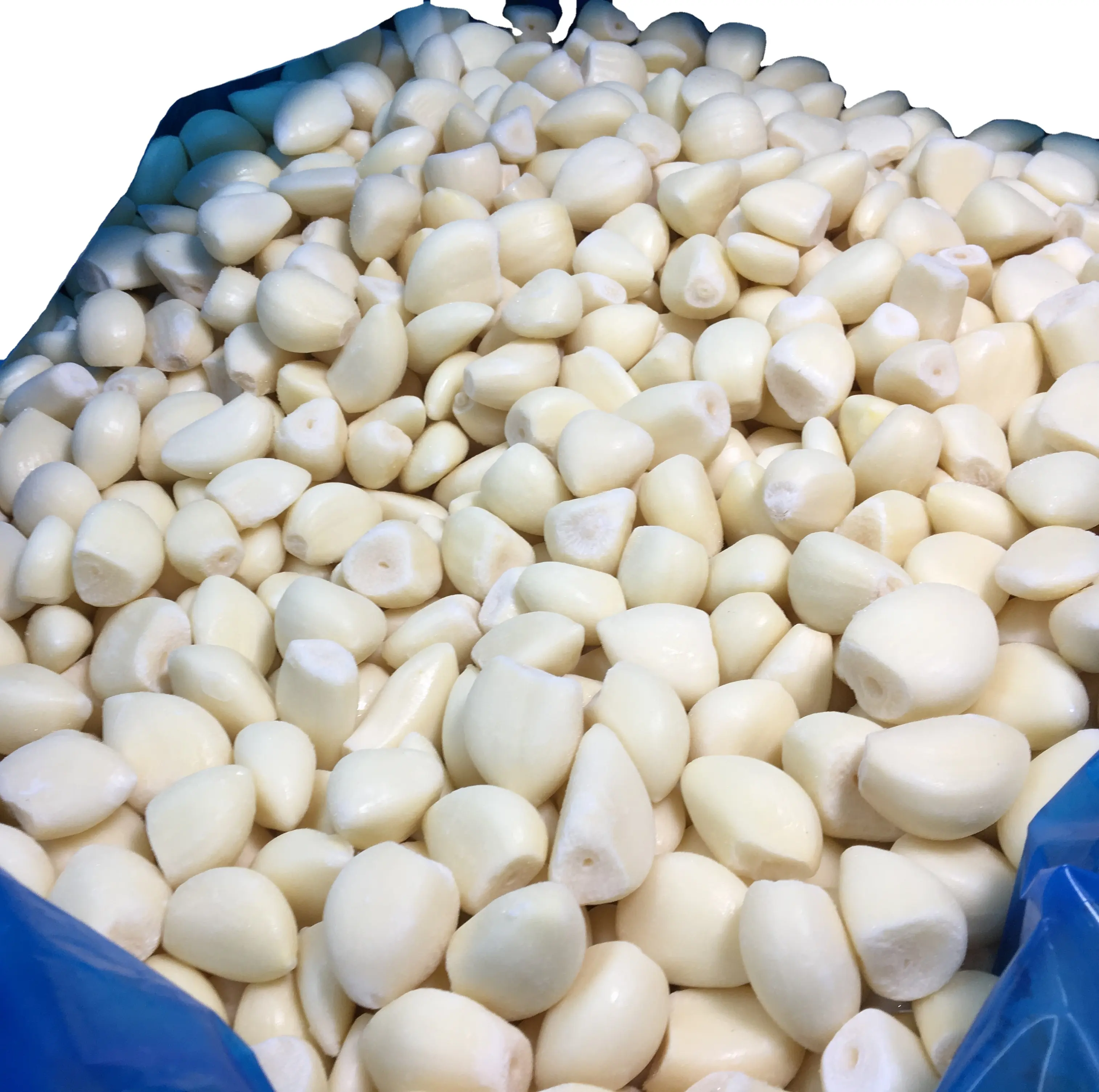
Large-scale food production facilities constantly seek ways to optimize operational efficiency while maintaining quality standards. One significant area where manufacturers can achieve substantial cost savings involves ingredient preparation, particularly with time-intensive tasks like garlic processing. The shift from raw garlic processing to utilizing pre-prepared peeled garlic represents a strategic operational decision that can dramatically impact labor allocation, production timelines, and overall profitability. Modern food production environments require streamlined processes that eliminate bottlenecks while ensuring consistent product quality across all production runs.
Labor Cost Analysis in Traditional Garlic Processing
Time Requirements for Manual Garlic Peeling
Traditional garlic preparation in commercial kitchens involves multiple labor-intensive steps that significantly impact operational costs. A skilled worker typically requires 15-20 minutes to peel one pound of garlic cloves, depending on clove size and peeling technique. This timeframe includes separation of individual cloves from bulbs, removal of papery skin, and quality inspection for damaged or discolored pieces. When scaling these requirements to industrial production volumes, the labor hours accumulate rapidly.
Large-scale operations processing hundreds or thousands of pounds of garlic daily face substantial wage expenses associated with this preparatory work. The repetitive nature of garlic peeling also leads to worker fatigue, potentially reducing efficiency rates throughout extended shifts. Additionally, manual peeling requires dedicated workspace, specialized tools, and proper ventilation systems to manage garlic oils and odors that can affect worker comfort and productivity.
Hidden Costs in Manual Garlic Processing
Beyond direct labor wages, manual garlic processing introduces several indirect costs that impact overall operational budgets. Worker training programs must account for proper peeling techniques, food safety protocols, and quality standards specific to garlic handling. Workplace injuries related to repetitive motion or knife handling during garlic preparation can result in workers' compensation claims and temporary labor shortages.
Equipment maintenance and replacement costs for peeling knives, cutting boards, and sanitization supplies add to the operational overhead. Storage requirements for raw garlic bulbs, including climate-controlled environments and inventory rotation systems, demand additional facility space and utility expenses. Waste management protocols for garlic skins and rejected cloves require dedicated disposal systems and associated handling procedures.
Efficiency Gains Through Pre-Prepared Peeled Garlic
Immediate Labor Reduction Benefits
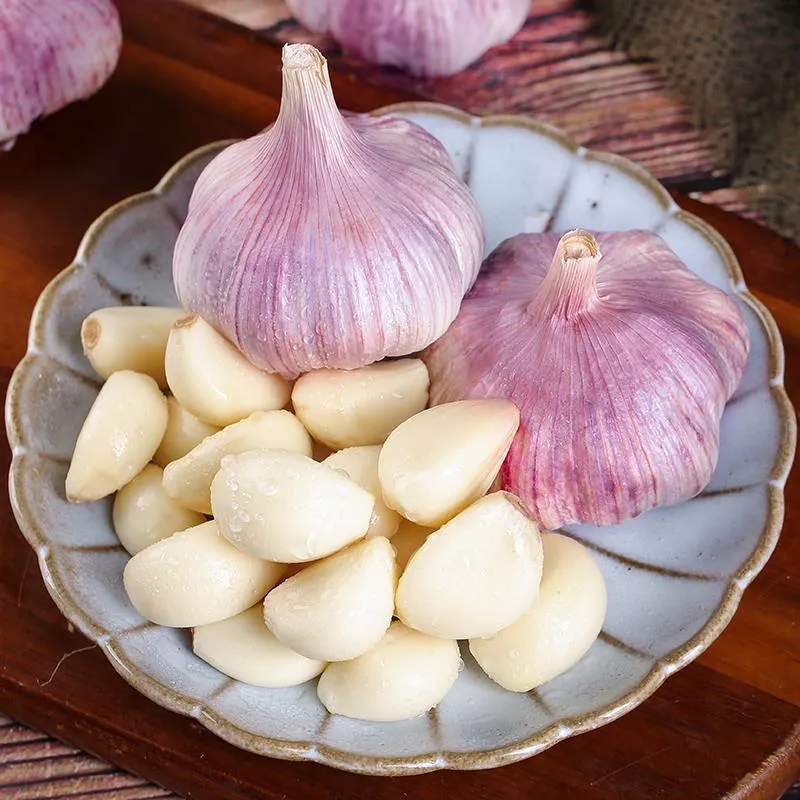
Incorporating pre-prepared peeled garlic into production workflows eliminates the most time-consuming aspect of garlic processing. Workers can immediately proceed to chopping, mincing, or other preparation steps, reducing ingredient prep time by 70-80% compared to traditional methods. This efficiency gain allows production teams to reallocate labor resources to value-added activities such as recipe development, quality control, or specialized cooking techniques.
The consistency of commercially prepared peeled garlic ensures uniform sizing and quality, reducing the need for extensive sorting and inspection procedures. Production schedules become more predictable when ingredient preparation times are standardized, enabling better workforce planning and reduced overtime requirements. Kitchen staff can focus on core culinary skills rather than repetitive prep work, potentially improving job satisfaction and employee retention rates.
Quality and Safety Considerations
Professional peeled garlic suppliers implement stringent quality control measures that often exceed individual facility capabilities. Commercial processing facilities utilize specialized equipment and trained personnel to ensure consistent peeling quality while maintaining optimal garlic integrity. Temperature-controlled processing environments preserve garlic freshness and extend shelf life compared to manually processed alternatives stored in standard commercial refrigeration.
Food safety protocols at dedicated garlic processing facilities include regular microbiological testing, hazard analysis critical control points (HACCP) compliance, and documentation systems that support traceability requirements. These comprehensive safety measures reduce contamination risks and provide documentation for regulatory compliance audits. Quality certifications from reputable suppliers offer additional assurance for food manufacturers maintaining strict quality standards.
Cost-Benefit Analysis for Industrial Applications
Direct Labor Savings Calculations
Quantifying labor savings requires analyzing current garlic processing volumes and associated wage costs. For facilities processing 500 pounds of garlic weekly, manual peeling consumes approximately 125-167 labor hours monthly at current minimum wage rates. This calculation assumes consistent processing speeds and doesn't account for efficiency variations during peak production periods or worker fatigue factors.
When comparing costs of peeled garlic procurement versus manual processing expenses, most facilities achieve cost neutrality or savings within the first quarter of implementation. Additional savings emerge from reduced training requirements, lower injury rates, and improved production scheduling flexibility. These factors compound over time, creating increasingly favorable cost differentials for pre-prepared garlic utilization.
Scalability and Growth Implications
As production volumes increase, the economic advantages of peeled garlic become more pronounced due to economies of scale in procurement and reduced proportional labor costs. Facilities planning expansion can avoid investing in additional garlic processing equipment and dedicated prep space, redirecting capital toward core production capabilities. Supply chain relationships with reliable peeled garlic vendors provide volume pricing advantages and consistent availability during seasonal fluctuations.
Growth scenarios benefit from standardized ingredient specifications that support recipe scaling and nutritional consistency across product lines. Marketing advantages emerge from improved production capacity utilization, enabling faster response times to customer demands and seasonal order fluctuations. Quality consistency supports brand reputation and reduces customer complaints related to garlic preparation variability in finished products.
Implementation Strategies for Transitioning Operations
Vendor Selection and Qualification Process
Successful transition to peeled garlic requires comprehensive vendor evaluation focusing on quality standards, supply chain reliability, and pricing structures. Potential suppliers should demonstrate compliance with relevant food safety certifications, including Good Manufacturing Practices (GMP) and facility inspection records. Sample testing programs allow facilities to evaluate product quality, shelf life characteristics, and compatibility with existing recipes and production processes.
Contract negotiations should address volume commitments, pricing stability mechanisms, and delivery scheduling flexibility to support varying production demands. Quality specifications must define acceptable parameters for color, texture, moisture content, and microbiological standards. Backup supplier identification ensures supply chain continuity during primary vendor disruptions or seasonal availability challenges.
Workflow Integration and Staff Training
Implementing peeled garlic requires updating standard operating procedures, recipe formulations, and inventory management systems. Staff training programs should emphasize proper handling techniques, storage requirements, and quality assessment criteria specific to pre-prepared garlic products. Integration timelines must account for recipe testing phases and gradual transition periods to maintain production continuity.
Inventory management systems require modification to accommodate different storage requirements, shelf life parameters, and ordering patterns compared to raw garlic bulbs. Production planning software may need updates to reflect revised preparation times and ingredient specifications. Quality control checkpoints should be established to monitor product consistency and identify any quality variations requiring supplier communication or specification adjustments.
Industry Applications and Case Studies
Restaurant Chain Operations
Major restaurant chains have successfully implemented peeled garlic programs to standardize flavor profiles across multiple locations while reducing labor costs. Central kitchen operations benefit from consistent ingredient quality that supports large-batch preparation and distribution systems. Menu consistency improves when garlic preparation variables are eliminated, supporting brand standardization goals and customer satisfaction metrics.
Franchise operations particularly benefit from peeled garlic utilization because individual locations may lack skilled prep cooks or adequate preparation space for traditional garlic processing. Reduced training requirements and simplified preparation procedures support consistent execution across diverse operational environments. Cost control becomes more predictable when ingredient preparation times are standardized across all locations.
Food Manufacturing Sector
Packaged food manufacturers utilize peeled garlic to maintain consistent flavor profiles in products ranging from sauces and seasonings to frozen entrees and snack foods. Quality control becomes more manageable when garlic specifications are standardized through professional processing facilities. Nutritional labeling accuracy improves when ingredient composition is consistent and well-documented through supplier quality systems.
Production scheduling benefits from predictable ingredient preparation times, enabling more efficient production runs and reduced changeover periods. Automated processing equipment compatibility improves when ingredient sizes and characteristics are standardized through commercial peeled garlic specifications. Seasonal price fluctuations become more manageable through established supplier relationships and contract pricing mechanisms.
FAQ
How does peeled garlic shelf life compare to raw garlic bulbs
Commercially processed peeled garlic typically maintains quality for 10-14 days under proper refrigeration, while raw garlic bulbs can last several months in appropriate storage conditions. However, the labor savings and operational efficiency gains often justify the shorter shelf life for high-volume operations. Proper inventory rotation and supplier relationships ensure consistent freshness while maximizing cost benefits.
What quality standards should facilities expect from peeled garlic suppliers
Reputable peeled garlic suppliers should provide products meeting FDA food safety standards, HACCP compliance documentation, and third-party quality certifications. Specifications should include parameters for color consistency, moisture content, microbiological safety, and absence of chemical residues. Regular quality audits and sample testing programs help maintain consistent supplier performance and product integrity.
Can peeled garlic maintain the same flavor profile as freshly processed garlic
Professional processing techniques preserve garlic flavor compounds effectively when proper handling and storage protocols are maintained. While subtle differences may exist compared to immediately processed fresh garlic, most commercial applications find the flavor quality acceptable for their intended uses. Recipe testing during implementation helps identify any adjustments needed to maintain desired flavor profiles.
What are the typical cost differences between peeled garlic and manual processing
Cost comparisons vary by facility size, labor rates, and usage volumes, but most operations find break-even points within 3-6 months of implementation. Direct labor savings often offset higher ingredient costs, while additional benefits from improved efficiency, reduced training needs, and consistent quality provide ongoing value. Facilities processing over 100 pounds weekly typically achieve the most favorable cost differentials.