 EN
EN
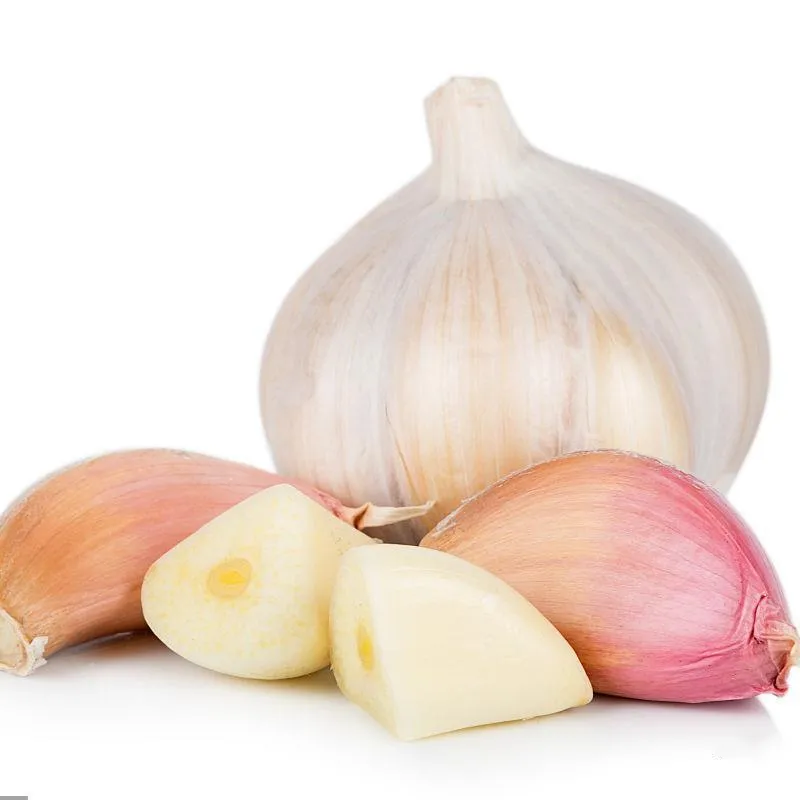
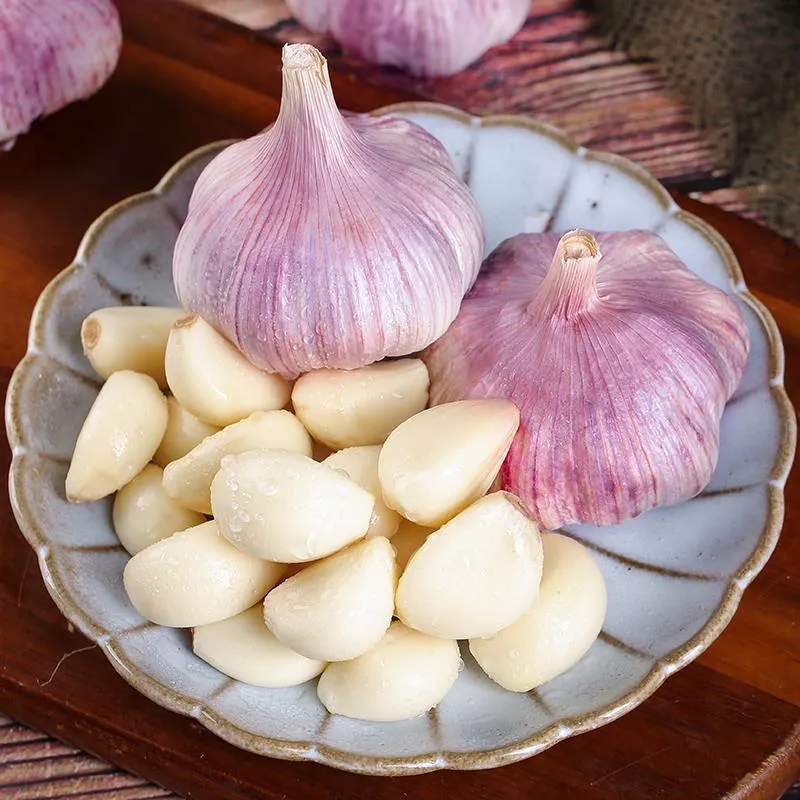
The global demand for peeled garlic has surged dramatically in recent years, driven by the convenience factor in commercial kitchens and food processing facilities. Maintaining freshness during transportation represents one of the most critical challenges facing suppliers and distributors in the garlic industry. The delicate nature of peeled garlic makes it susceptible to moisture loss, oxidation, and microbial contamination during extended shipping periods. Understanding the complex interplay of temperature control, packaging technologies, and logistics management is essential for preserving the quality and extending the shelf life of peeled garlic products throughout the supply chain.
Temperature Control Systems for Peeled Garlic Transportation
Cold Chain Management Principles
Effective temperature management forms the foundation of successful peeled garlic transportation. The optimal storage temperature range for peeled garlic falls between 32°F and 36°F (0°C to 2°C), which significantly slows down enzymatic reactions and microbial growth. Maintaining this narrow temperature window requires sophisticated refrigeration systems equipped with precise monitoring capabilities. Modern cold chain logistics utilize advanced temperature sensors and data logging systems to track thermal conditions throughout the entire transportation journey.
Temperature fluctuations can cause condensation within packaging, leading to accelerated deterioration of peeled garlic quality. Professional transportation companies implement multi-zone refrigeration systems that allow for independent temperature control in different cargo areas. This technology ensures that peeled garlic shipments maintain consistent temperatures regardless of external weather conditions or loading dock delays. Real-time temperature monitoring alerts logistics managers to any deviations that could compromise product integrity.
Refrigeration Technology Innovations
Advanced refrigeration technologies have revolutionized how peeled garlic maintains its freshness during long-distance transportation. Phase change materials (PCMs) provide passive temperature control by absorbing and releasing thermal energy at specific temperatures. These materials create thermal buffers that protect peeled garlic from temperature spikes during brief equipment malfunctions or power outages. Cryogenic cooling systems offer another layer of protection by utilizing liquid nitrogen or dry ice to maintain ultra-low temperatures for premium peeled garlic products.
Evaporative cooling systems provide cost-effective temperature control for shorter transportation routes while maintaining the moisture levels necessary to prevent dehydration in peeled garlic. Smart refrigeration units equipped with IoT sensors continuously monitor internal conditions and automatically adjust cooling parameters based on cargo load and external conditions. These intelligent systems reduce energy consumption while optimizing the preservation environment for peeled garlic shipments.
Packaging Solutions and Barrier Technologies
Modified Atmosphere Packaging
Modified atmosphere packaging (MAP) represents a breakthrough technology for extending the freshness of peeled garlic during transportation. This packaging method involves replacing the air inside containers with a carefully balanced mixture of gases, typically including reduced oxygen levels and increased carbon dioxide concentrations. The altered atmospheric composition significantly slows down respiration rates and inhibits the growth of aerobic bacteria that cause spoilage in peeled garlic products.
Nitrogen flushing techniques remove oxygen from packaging environments, creating an inert atmosphere that prevents oxidation and maintains the bright white color characteristic of fresh peeled garlic. Advanced MAP systems incorporate gas permeability regulators that maintain optimal atmospheric conditions throughout extended transportation periods. These technologies can extend the shelf life of peeled garlic by 200-300% compared to conventional packaging methods.
Moisture Control and Barrier Films
Controlling moisture levels within packaging represents a critical factor in maintaining peeled garlic freshness during transportation. High-performance barrier films with precise water vapor transmission rates prevent excessive moisture loss while avoiding condensation that promotes bacterial growth. Multi-layer packaging films combine different polymer materials to create optimal barrier properties for peeled garlic preservation.
Desiccant packets and moisture-absorbing materials help regulate humidity levels within packaging containers. These materials selectively absorb excess moisture while maintaining the slight humidity necessary to prevent dehydration in peeled garlic cloves. Advanced packaging designs incorporate micro-perforations that allow for controlled gas exchange while maintaining protective barrier properties.
Logistics Optimization and Route Planning
Transportation Time Minimization
Reducing transportation time directly correlates with improved freshness retention in peeled garlic products. Sophisticated route optimization software analyzes traffic patterns, weather conditions, and delivery schedules to identify the fastest possible shipping routes. Hub-and-spoke distribution models minimize the number of handling points, reducing exposure time and potential temperature breaks that could compromise peeled garlic quality.
Express shipping services prioritize peeled garlic shipments to ensure rapid delivery from processing facilities to end customers. Strategic positioning of distribution centers near major markets reduces the average transportation distance and time for peeled garlic products. Cross-docking operations allow for seamless transfer between transportation modes without extended storage periods that could affect product quality.
Handling and Loading Protocols
Proper handling procedures during loading and unloading operations play a crucial role in maintaining peeled garlic freshness. Trained personnel follow strict protocols to minimize physical damage and temperature exposure during cargo transfers. Specialized loading equipment reduces handling time and maintains cold chain integrity throughout the loading process.
Pre-cooling procedures ensure that transportation vehicles reach optimal temperatures before peeled garlic products are loaded. This practice prevents thermal shock that could damage cellular structures and accelerate deterioration. Loading sequence optimization places peeled garlic products in the most temperature-stable areas of refrigerated vehicles, typically away from doors and in the center of cargo compartments.
Quality Monitoring and Traceability Systems
Real-Time Quality Assessment
Modern transportation systems incorporate advanced sensors that continuously monitor multiple quality parameters affecting peeled garlic freshness. These devices track temperature, humidity, gas concentrations, and even detect volatile compounds that indicate early stages of spoilage. Wireless sensor networks provide real-time data transmission, allowing logistics managers to make immediate adjustments to preserve product quality.
Spectroscopic analysis tools can assess the internal quality of peeled garlic without opening packaging. These non-destructive testing methods evaluate moisture content, sugar levels, and cellular integrity throughout the transportation process. Artificial intelligence algorithms analyze sensor data patterns to predict potential quality issues before they become apparent to human inspectors.
Blockchain Integration and Documentation
Blockchain technology provides immutable records of transportation conditions and handling procedures for peeled garlic shipments. This transparent documentation system enables complete traceability from farm to final destination, supporting quality assurance and food safety compliance. Smart contracts automatically trigger alerts when transportation parameters fall outside acceptable ranges for peeled garlic preservation.
Digital documentation systems replace paper-based tracking with electronic records that include photographic evidence, sensor data, and handling timestamps. These comprehensive records support quality claims and provide valuable data for continuous improvement in peeled garlic transportation procedures. Integration with enterprise resource planning systems enables seamless coordination between production, logistics, and customer service teams.
Emerging Technologies and Future Innovations
Nanotechnology Applications
Nanotechnology offers revolutionary possibilities for enhancing peeled garlic preservation during transportation. Nanocomposite packaging materials provide superior barrier properties while maintaining lightweight characteristics that reduce shipping costs. Antimicrobial nanoparticles embedded in packaging materials actively inhibit bacterial growth without affecting the taste or nutritional value of peeled garlic.
Nano-sensors capable of detecting specific spoilage compounds at extremely low concentrations provide early warning systems for quality deterioration. These ultra-sensitive devices can identify the onset of spoilage hours or days before conventional quality assessment methods. Targeted delivery systems using nanocarriers could potentially introduce beneficial compounds that extend the natural preservation mechanisms in peeled garlic.
Artificial Intelligence and Predictive Analytics
Machine learning algorithms analyze vast datasets of transportation conditions, weather patterns, and quality outcomes to optimize peeled garlic preservation strategies. Predictive models identify the most critical factors affecting freshness retention and recommend specific interventions to maintain quality. Artificial intelligence systems can automatically adjust transportation parameters in response to changing conditions without human intervention.
Computer vision systems equipped with advanced image analysis capabilities can assess peeled garlic quality through automated inspection processes. These systems detect color changes, surface defects, and other quality indicators with greater accuracy and consistency than human inspectors. Integration with robotic handling systems enables fully automated quality control processes that maintain optimal handling conditions for peeled garlic products.
FAQ
What is the optimal temperature range for transporting peeled garlic?
The ideal temperature range for peeled garlic transportation is between 32°F and 36°F (0°C to 2°C). This temperature range significantly slows enzymatic reactions and microbial growth while preventing freezing damage. Maintaining consistent temperatures within this narrow window requires sophisticated refrigeration systems with precise monitoring capabilities throughout the entire transportation journey.
How does modified atmosphere packaging extend peeled garlic freshness?
Modified atmosphere packaging extends peeled garlic freshness by replacing normal air with a carefully balanced gas mixture containing reduced oxygen and increased carbon dioxide levels. This altered atmospheric composition slows respiration rates, inhibits aerobic bacterial growth, and prevents oxidation that causes discoloration. MAP technology can extend shelf life by 200-300% compared to conventional packaging methods.
What role does moisture control play in peeled garlic transportation?
Moisture control is critical for maintaining peeled garlic quality during transportation because excessive moisture promotes bacterial growth while insufficient moisture causes dehydration and quality loss. High-performance barrier films regulate water vapor transmission rates, while desiccant materials absorb excess humidity. Proper moisture management prevents both spoilage and textural deterioration in peeled garlic products.
How do transportation companies monitor peeled garlic quality during shipping?
Transportation companies use advanced sensor networks that continuously monitor temperature, humidity, gas concentrations, and volatile compounds throughout the shipping process. Real-time data transmission allows immediate response to quality threats, while blockchain technology provides immutable documentation of transportation conditions. These comprehensive monitoring systems ensure optimal preservation conditions and provide complete traceability for peeled garlic shipments.