 EN
EN

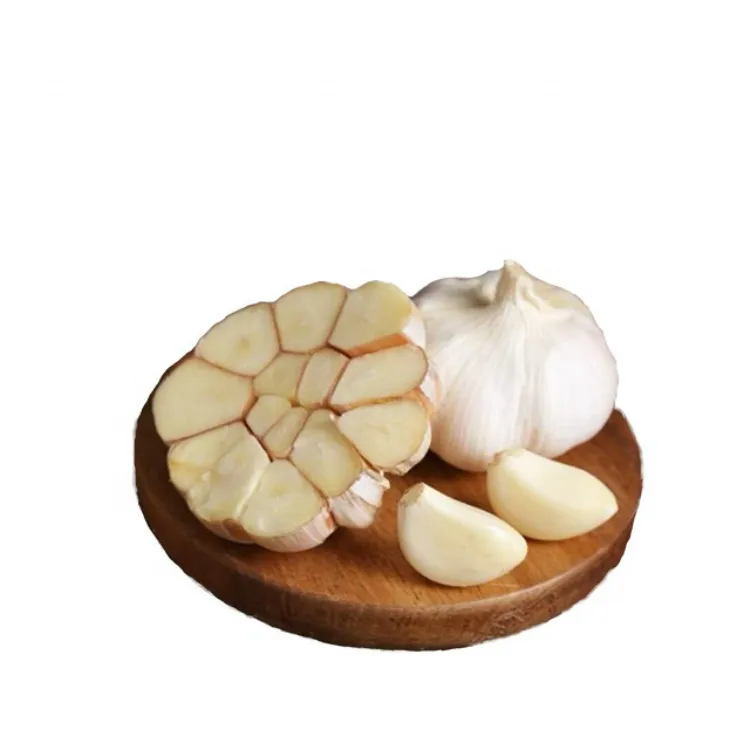
Proper peeled garlic storage represents a critical component of successful B2B food supply chain operations, directly impacting product quality, shelf life, and customer satisfaction. Food distributors, restaurants, and processing facilities must understand the specific requirements for maintaining fresh peeled garlic throughout their supply chains. The delicate nature of peeled garlic cloves makes them more susceptible to deterioration compared to whole bulbs, requiring specialized handling and storage protocols. Effective peeled garlic storage practices can extend product freshness by weeks, reduce waste, and ensure consistent availability for downstream operations.
Temperature Management for Peeled Garlic Storage
Optimal Temperature Ranges
Temperature control forms the foundation of effective peeled garlic storage systems in commercial environments. Fresh peeled garlic cloves require consistent temperatures between 32°F to 35°F (0°C to 2°C) to maintain optimal freshness and prevent bacterial growth. This narrow temperature range slows down enzymatic reactions that cause browning and sprouting while inhibiting harmful microorganisms. Temperature fluctuations beyond this range can accelerate deterioration, leading to soft textures, off-flavors, and reduced shelf life that impacts B2B relationships.
Commercial refrigeration systems must maintain precise temperature monitoring to ensure peeled garlic storage meets industry standards. Digital temperature loggers and alarm systems help facility managers track conditions continuously, providing alerts when temperatures deviate from acceptable ranges. Many B2B suppliers invest in backup refrigeration systems to prevent temperature excursions during equipment maintenance or power outages. Regular calibration of temperature monitoring equipment ensures accurate readings that support quality assurance programs and regulatory compliance requirements.
Temperature Monitoring Systems
Advanced temperature monitoring systems provide real-time data collection and analysis capabilities essential for large-scale peeled garlic storage operations. Wireless sensor networks allow facility managers to monitor multiple storage areas simultaneously, creating comprehensive temperature maps of entire facilities. Cloud-based monitoring platforms enable remote access to temperature data, allowing quality managers to track conditions from any location and respond quickly to potential issues that could compromise product quality.
Integration with facility management systems creates automated responses to temperature deviations, including backup cooling activation and staff notifications. Historical temperature data supports continuous improvement initiatives by identifying patterns and optimizing storage protocols. Many B2B operations use predictive analytics to anticipate potential equipment failures and schedule preventive maintenance, reducing the risk of temperature-related product losses during peak demand periods.
Humidity Control in Commercial Peeled Garlic Storage
Relative Humidity Requirements
Maintaining proper humidity levels represents another crucial aspect of effective peeled garlic storage in B2B environments. Relative humidity levels between 90% to 95% help prevent moisture loss while avoiding excessive condensation that promotes bacterial growth. This high humidity requirement differs significantly from many other produce items, necessitating specialized storage environments or dedicated storage areas within larger facilities. Proper humidity control prevents the development of dry, papery surfaces on peeled garlic cloves while maintaining the characteristic firm texture expected by commercial customers.
Humidity monitoring systems work in conjunction with temperature controls to create optimal storage environments for peeled garlic storage operations. Humidification equipment, including ultrasonic systems and steam generators, provides precise moisture control in commercial storage facilities. Regular maintenance of humidification systems ensures consistent performance and prevents mineral buildup that can affect equipment efficiency and introduce contaminants into storage environments.
Moisture Management Strategies
Effective moisture management extends beyond basic humidity control to include packaging considerations and air circulation strategies. Perforated packaging materials allow proper air exchange while maintaining appropriate moisture levels around peeled garlic cloves during storage and transportation. Strategic placement of products within storage areas helps optimize air circulation patterns, preventing moisture accumulation in specific zones that could lead to quality deterioration or spoilage issues.
Condensation prevention measures protect peeled garlic storage areas from moisture-related problems that can compromise product quality. Proper insulation of storage rooms and refrigeration equipment reduces temperature differentials that cause condensation formation. Regular inspection and maintenance of door seals, insulation, and HVAC systems prevent moisture infiltration from external sources that could disrupt carefully controlled storage environments.
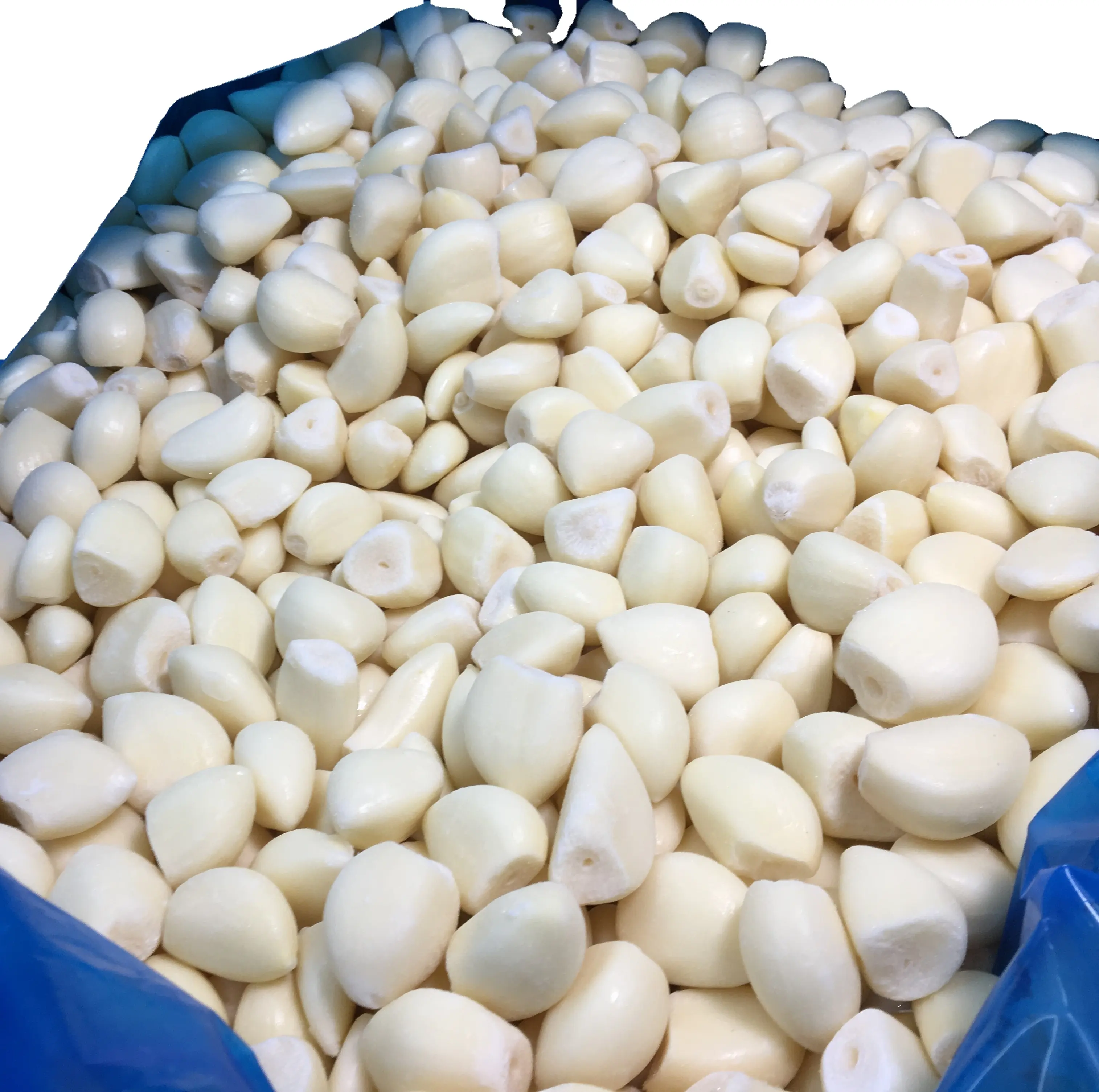
Packaging Solutions for B2B Peeled Garlic Storage
Modified Atmosphere Packaging
Modified atmosphere packaging (MAP) technology significantly extends the shelf life of peeled garlic during storage and distribution phases of B2B supply chains. These specialized packaging systems replace normal air with custom gas mixtures, typically containing reduced oxygen levels and increased nitrogen or carbon dioxide concentrations. The controlled atmosphere slows respiration rates in peeled garlic cloves, reducing enzymatic browning and maintaining color quality throughout extended storage periods that support efficient supply chain operations.
Gas flush packaging equipment creates consistent atmosphere compositions within individual packages, ensuring uniform peeled garlic storage conditions regardless of package size or product volume. Quality control protocols include regular gas composition testing to verify proper atmosphere maintenance throughout storage periods. Many B2B suppliers work with packaging specialists to develop custom MAP solutions that balance shelf life extension with cost considerations and customer handling requirements.
Barrier Film Technologies
Advanced barrier films provide essential protection for peeled garlic during extended storage periods in commercial facilities. Multi-layer films with specialized barrier properties control moisture transmission rates while preventing oxygen infiltration that can cause quality deterioration. These films maintain optimal peeled garlic storage conditions by creating micro-environments within packages that complement facility-level environmental controls.
Anti-fog coatings on barrier films improve package visibility while preventing condensation buildup that can obscure product inspection and create favorable conditions for microbial growth. Heat-sealable films ensure package integrity throughout handling and transportation, maintaining controlled atmospheres until products reach end users. Recyclable barrier film options support sustainability initiatives while providing necessary protection for peeled garlic storage applications.
Quality Assurance in Peeled Garlic Storage Operations
Inspection Protocols
Comprehensive inspection protocols form the backbone of quality assurance programs in commercial peeled garlic storage facilities. Regular visual inspections identify early signs of quality deterioration, including color changes, texture modifications, and surface defects that may indicate improper storage conditions. Trained quality assurance personnel conduct systematic inspections using standardized criteria that ensure consistent evaluation across different batches and storage locations within facilities.
Digital documentation systems capture inspection results and create traceable quality records that support regulatory compliance and customer requirements. Photographic documentation provides visual evidence of product condition at various storage intervals, supporting quality improvement initiatives and customer communications. Statistical analysis of inspection data identifies trends and patterns that guide storage protocol optimization and preventive action implementation.
Microbial Testing Programs
Microbial testing programs provide critical safety verification for peeled garlic storage operations in B2B environments. Regular sampling and laboratory analysis detect potential contamination issues before they affect product quality or customer safety. Testing protocols include pathogen screening for organisms such as Listeria monocytogenes, Salmonella, and E. coli that pose particular risks in fresh produce applications.
Environmental monitoring complements product testing by identifying potential contamination sources within peeled garlic storage facilities. Surface swabbing programs test storage equipment, packaging materials, and facility surfaces for indicator organisms that suggest sanitation deficiencies. Trend analysis of microbial data guides facility cleaning and sanitization program optimization, reducing contamination risks and supporting continuous improvement in storage operations.
Transportation and Distribution Considerations
Cold Chain Maintenance
Maintaining cold chain integrity during transportation represents a critical extension of peeled garlic storage requirements in B2B supply chains. Refrigerated vehicles must maintain the same temperature ranges used in facility storage, preventing quality deterioration during transit periods. Pre-cooling procedures ensure products begin transportation at proper temperatures, reducing the workload on vehicle refrigeration systems and maintaining consistent conditions throughout delivery routes.
Temperature monitoring during transportation provides documentation of cold chain maintenance for quality assurance and regulatory compliance purposes. GPS-enabled temperature loggers create detailed records of conditions throughout delivery routes, supporting quality claims investigation and continuous improvement initiatives. Driver training programs ensure proper handling procedures that support peeled garlic storage requirements during loading, transit, and delivery operations.
Delivery Schedule Optimization
Strategic delivery scheduling minimizes the time peeled garlic spends in transportation environments, reducing exposure to potential quality deterioration factors. Route optimization software considers product shelf life requirements alongside delivery efficiency, prioritizing peeled garlic deliveries to minimize total transit time. Just-in-time delivery strategies reduce customer storage requirements while maintaining product freshness throughout the supply chain.
Communication systems keep customers informed about delivery timing, enabling them to prepare appropriate receiving and storage facilities for incoming peeled garlic products. Electronic data interchange (EDI) systems automate order processing and delivery coordination, reducing manual handling time and improving overall supply chain efficiency for time-sensitive peeled garlic storage applications.
Cost Optimization Strategies
Energy Efficiency in Storage Systems
Energy-efficient peeled garlic storage systems reduce operational costs while maintaining necessary environmental conditions for product quality preservation. Variable frequency drives on refrigeration compressors adjust cooling capacity based on actual load requirements, reducing energy consumption during periods of lower storage volume. LED lighting systems provide necessary illumination while generating minimal heat that could affect storage temperatures.
Insulation upgrades and thermal mass optimization reduce energy requirements for maintaining stable peeled garlic storage conditions. Smart building management systems integrate multiple facility systems to optimize energy usage while maintaining product quality requirements. Regular energy audits identify opportunities for efficiency improvements that reduce operating costs without compromising storage effectiveness.
Inventory Management Systems
Advanced inventory management systems optimize peeled garlic storage operations by implementing first-in-first-out (FIFO) rotation protocols that minimize product age and waste. Automated tracking systems monitor storage duration for individual lots, providing alerts when products approach recommended use dates. Real-time inventory visibility supports demand planning and purchasing decisions that balance product freshness with storage capacity utilization.
Integration with customer ordering systems enables demand-driven production and storage planning, reducing inventory holding costs while maintaining service levels. Predictive analytics identify seasonal demand patterns and optimize storage capacity allocation to maximize facility utilization efficiency. Automated reporting systems provide management visibility into storage costs and performance metrics that support continuous improvement initiatives.
FAQ
What temperature range is optimal for commercial peeled garlic storage?
Commercial peeled garlic storage requires consistent temperatures between 32°F to 35°F (0°C to 2°C) with relative humidity levels of 90% to 95%. These conditions slow enzymatic reactions and inhibit bacterial growth while preventing moisture loss. Temperature fluctuations outside this range can significantly reduce shelf life and product quality, making precise environmental control essential for B2B operations.
How long can peeled garlic be stored under proper conditions?
Under optimal peeled garlic storage conditions with proper temperature, humidity, and packaging, fresh peeled garlic cloves can maintain quality for 2 to 4 weeks. Modified atmosphere packaging can extend this period to 6 to 8 weeks by controlling oxygen levels and respiration rates. Regular quality inspections help determine actual shelf life based on specific storage conditions and initial product quality.
What are the key differences between storing whole garlic and peeled garlic?
Peeled garlic storage requires higher humidity levels (90-95%) compared to whole garlic bulbs, which prefer lower humidity conditions. Peeled cloves are more susceptible to moisture loss, browning, and bacterial contamination due to the removal of protective papery skins. They also require immediate refrigeration and specialized packaging, while whole garlic can be stored at ambient temperatures for extended periods.
How can B2B suppliers ensure quality during peeled garlic storage and transportation?
B2B suppliers maintain quality through comprehensive cold chain management, including temperature monitoring systems, proper packaging solutions, and regular quality inspections. Modified atmosphere packaging, trained personnel, and documented procedures ensure consistent peeled garlic storage conditions throughout supply chains. Microbial testing programs and customer communication systems support quality assurance and continuous improvement initiatives.