 EN
EN
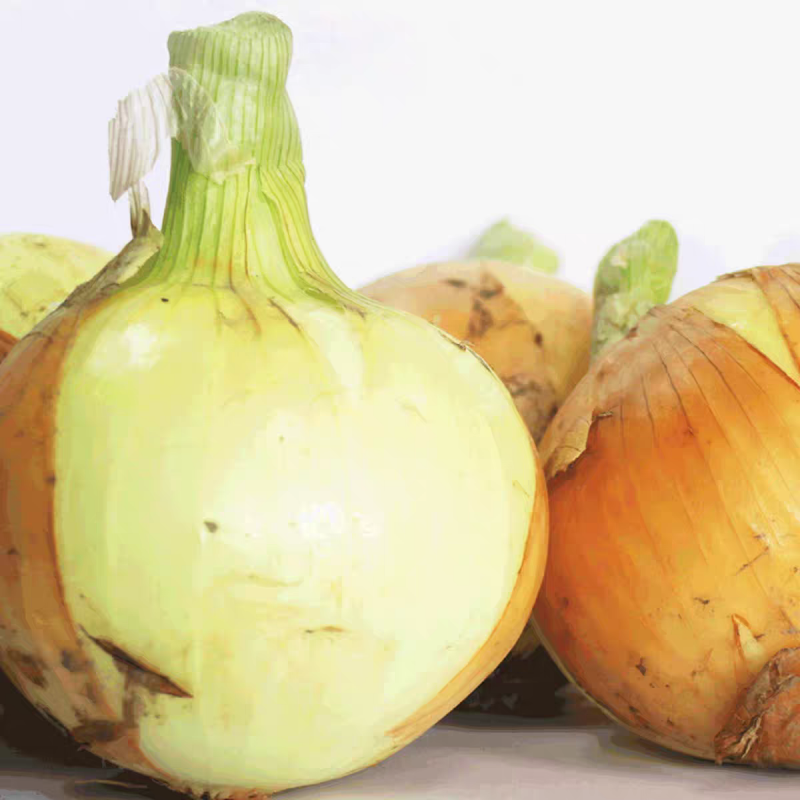
The global demand for high-quality fresh onion continues to grow as international markets seek consistent, premium produce for both retail and commercial applications. Understanding the critical factors that influence onion size and consistency has become essential for exporters aiming to meet stringent international standards. From soil composition to harvest timing, numerous variables directly impact the final product quality that reaches overseas markets. Modern agricultural practices have evolved to address these challenges, ensuring that fresh onion exports maintain the uniformity and specifications required by discerning international buyers.
Agricultural Foundation and Soil Management
Soil Composition Requirements for Optimal Growth
The foundation of producing consistent fresh onion crops begins with proper soil management and composition. Well-draining loamy soils with pH levels between 6.0 and 7.0 provide the ideal growing environment for uniform bulb development. Sandy loam soils offer excellent drainage while retaining sufficient moisture and nutrients necessary for steady growth patterns. Organic matter content should maintain levels between 2-4% to ensure adequate nutrient availability throughout the growing season.
Soil fertility directly correlates with fresh onion size uniformity, as balanced nutrient profiles promote consistent cellular development within the bulb structure. Phosphorus availability during early growth stages influences root development and subsequent bulb formation, while potassium levels affect overall plant health and disease resistance. Regular soil testing enables growers to adjust nutrient programs accordingly, ensuring optimal conditions for producing export-quality onions with consistent sizing characteristics.
Nutrient Management and Fertilization Programs
Strategic fertilization programs play a crucial role in achieving uniform fresh onion development across entire cultivation areas. Nitrogen management requires careful timing, as excessive early-season application can promote excessive foliage growth at the expense of bulb development. Controlled-release fertilizers help maintain steady nutrient availability throughout critical growth periods, reducing variability in final bulb sizes and improving overall crop consistency.
Micronutrient supplementation, particularly sulfur, directly impacts fresh onion flavor development and storage quality. Sulfur deficiency can result in irregular bulb formation and reduced shelf life, making proper supplementation essential for export markets. Calcium and boron applications during bulb formation stages help maintain cell wall integrity and reduce storage disorders that could affect product consistency during international shipping.
Variety Selection and Genetic Factors
Cultivar Characteristics for Export Markets
Selecting appropriate fresh onion varieties represents a fundamental decision affecting size consistency and export viability. Modern hybrid varieties offer improved uniformity compared to open-pollinated alternatives, with genetic traits specifically developed for commercial production standards. Short-day, intermediate-day, and long-day varieties each respond differently to photoperiod conditions, making proper variety selection crucial for specific geographic regions and intended harvest timing.
Storage onion varieties typically demonstrate better size consistency and longer shelf life compared to fresh market types, making them more suitable for export applications. Red, yellow, and white fresh onion varieties each possess distinct characteristics affecting bulb development patterns and final sizing. Understanding these genetic predispositions allows growers to implement appropriate cultural practices that maximize uniformity within each variety type.
Seed Quality and Plant Establishment
High-quality seed sources directly influence final crop uniformity and fresh onion sizing consistency. Certified seed lots undergo rigorous testing for germination rates, genetic purity, and disease freedom, ensuring reliable plant establishment across cultivation areas. Seed treatment applications help protect against soil-borne pathogens while promoting uniform germination timing, which translates to more consistent maturity dates and bulb sizes at harvest.
Transplant production systems offer greater control over plant establishment compared to direct seeding methods, particularly for fresh onion crops destined for export markets. Uniform transplant sizing and proper hardening procedures create more consistent starting points for field growth, reducing variability in final bulb development. Proper transplant spacing and depth ensure adequate root zone development and minimize competition effects that could create size inconsistencies within the crop.
Environmental Control and Climate Management
Temperature Regulation Throughout Growing Seasons
Temperature management significantly influences fresh onion bulb development and final sizing characteristics. Optimal daytime temperatures between 65-75°F promote steady bulb enlargement, while excessive heat can cause premature bulbing and reduced final size potential. Cool nighttime temperatures help maintain plant energy reserves for continued bulb development, contributing to more uniform sizing across the growing area.
Temperature fluctuations during critical growth periods can create stress responses that result in irregular bulb development patterns. Protected cultivation systems, including shade structures and row covers, help moderate temperature extremes and maintain more consistent growing conditions. These controlled environments enable growers to produce fresh onion crops with improved size uniformity regardless of external weather variations.
Water Management and Irrigation Strategies
Consistent moisture availability throughout the growing season proves essential for uniform fresh onion development and sizing. Drip irrigation systems provide precise water delivery while minimizing disease pressure and nutrient leaching that could affect crop uniformity. Soil moisture monitoring helps maintain optimal water levels during critical bulb enlargement periods, preventing stress-induced irregularities in size development.
Proper irrigation scheduling becomes particularly important during the final weeks before harvest, as water stress can halt bulb enlargement and create size variations within the crop. Gradual reduction of irrigation frequency helps promote proper bulb maturation and skin development necessary for export quality standards. Avoiding excessive moisture during maturation prevents soft rot development and maintains the structural integrity required for international shipping.
Harvest Timing and Post-Harvest Handling
Maturity Assessment and Harvest Decisions
Determining optimal harvest timing directly affects fresh onion size consistency and export quality standards. Visual indicators including neck softening and foliage yellowing provide guidance for harvest decisions, while maintaining uniformity requires careful monitoring across entire production areas. Harvesting too early results in undersized bulbs with poor storage characteristics, while delayed harvest can lead to size variations and increased disease susceptibility.
Staged harvesting approaches allow growers to collect fresh onion crops at peak maturity levels, ensuring consistent sizing within each harvest batch. Weather conditions during harvest periods significantly impact final product quality, making timing decisions crucial for maintaining export standards. Proper curing immediately following harvest helps develop protective skin layers while stabilizing bulb size and moisture content for international shipping requirements.
Grading and Sizing Standards
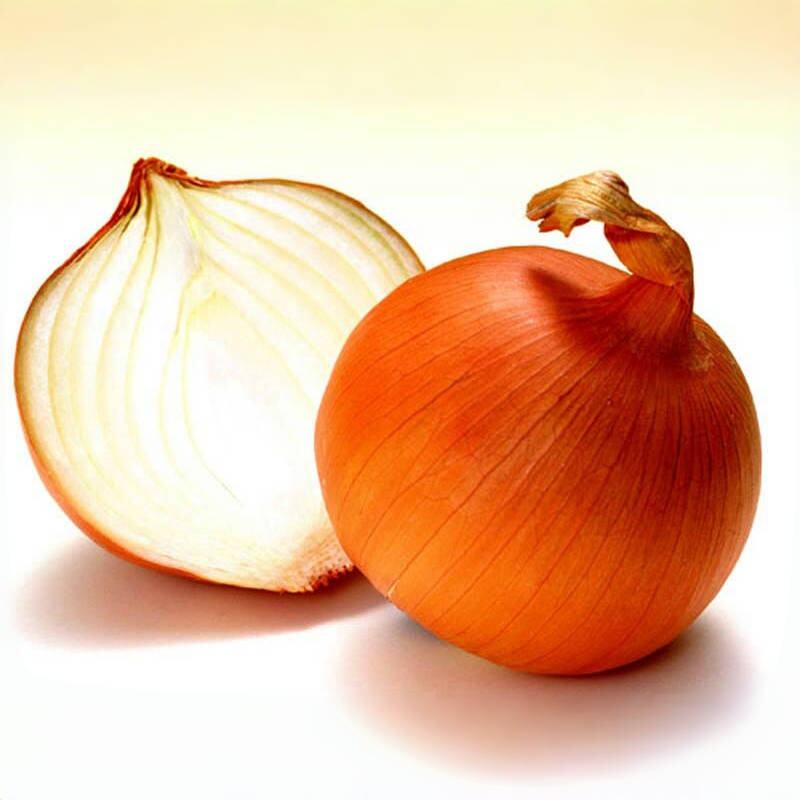
Professional grading systems ensure fresh onion exports meet international size specifications and quality standards. Mechanical sizing equipment provides consistent classification based on diameter measurements, typically ranging from small (2-2.5 inches) to jumbo (4+ inches) categories. Uniform sizing within each grade creates attractive packaging presentations while meeting specific customer requirements in target export markets.
Quality control procedures during grading help identify and remove defective bulbs that could affect overall shipment consistency. Color uniformity, skin quality, and structural integrity all factor into final grading decisions for fresh onion exports. Proper storage conditions following grading maintain product quality during transportation, ensuring that size consistency achieved during production translates to market satisfaction.
Storage and Transportation Considerations
Controlled Environment Storage Systems
Proper storage environments help maintain fresh onion size consistency and quality during extended holding periods before export shipment. Temperature control between 32-35°F with relative humidity levels around 65-70% prevents moisture loss while inhibiting sprouting and disease development. Ventilation systems ensure adequate air circulation to prevent condensation formation that could compromise product integrity.
Storage duration capabilities vary among fresh onion varieties, with some maintaining quality for several months under optimal conditions. Regular monitoring during storage periods helps identify any quality degradation that might affect export specifications. Proper storage management ensures that fresh onion products maintain their original sizing characteristics throughout the supply chain until reaching international customers.
Packaging and Shipping Protocols
Professional packaging systems protect fresh onion products during international transportation while maintaining visual appeal for end customers. Mesh bags, cartons, and bulk containers each offer specific advantages depending on destination markets and customer preferences. Proper package sizing prevents movement damage while allowing adequate ventilation to maintain product quality during extended shipping periods.
Cold chain management throughout transportation ensures that fresh onion products maintain their quality characteristics from farm to final destination. Temperature monitoring systems track conditions during international shipping, providing documentation of proper handling procedures. Coordinated logistics help minimize transit times while maintaining the controlled environments necessary for preserving fresh onion quality and consistency.
Quality Control and Certification Programs
International Standards Compliance
Meeting international quality standards requires comprehensive fresh onion production and handling programs that address every aspect of size consistency and product uniformity. Global GAP certification demonstrates adherence to internationally recognized agricultural practices that promote consistent product quality. These standards cover everything from seed selection through final packaging, ensuring systematic approaches to achieving export-quality specifications.
Traceability systems enable complete documentation of production practices affecting fresh onion size and quality characteristics. Record-keeping requirements include field applications, harvest dates, storage conditions, and handling procedures that contribute to final product specifications. This documentation provides valuable feedback for continuous improvement while demonstrating compliance with international trade requirements.
Continuous Improvement Strategies
Data collection and analysis help identify factors contributing to fresh onion size variations and quality inconsistencies. Yield mapping technology enables growers to correlate specific field areas with sizing outcomes, facilitating targeted improvements in cultural practices. Statistical analysis of sizing data helps optimize production systems for maximum uniformity and export market satisfaction.
Regular training programs ensure that all personnel involved in fresh onion production understand the importance of consistency and quality standards. Updated techniques and technology adoption help maintain competitive advantages in international markets while improving overall operational efficiency. Collaborative relationships with research institutions provide access to latest developments in onion production science and technology applications.
FAQ
What soil conditions produce the most uniform fresh onion sizes
Well-draining loamy soils with pH levels between 6.0-7.0 and organic matter content of 2-4% provide optimal conditions for uniform fresh onion development. Consistent soil moisture, balanced nutrition, and proper drainage prevent stress-induced size variations while promoting steady bulb enlargement throughout the growing season.
How does harvest timing affect fresh onion size consistency
Optimal harvest timing occurs when 50-75% of plant tops have naturally fallen over, indicating physiological maturity. Harvesting too early results in undersized bulbs, while delayed harvest can lead to size variations and quality issues. Staged harvesting approaches help maintain consistency by collecting crops at peak maturity levels across different field areas.
Which fresh onion varieties offer the best size uniformity for export
Modern hybrid varieties typically provide superior size uniformity compared to open-pollinated types, with specific cultivars bred for commercial consistency. Storage onion varieties generally demonstrate better uniformity and shipping characteristics than fresh market types. Variety selection should match local growing conditions and photoperiod requirements for optimal results.
What storage conditions maintain fresh onion quality and size consistency
Proper storage requires temperatures between 32-35°F with relative humidity levels of 65-70% to prevent moisture loss and sprouting. Adequate ventilation prevents condensation while maintaining air circulation. These controlled conditions help preserve original sizing characteristics and prevent quality degradation during extended storage periods before export shipment.