 EN
EN

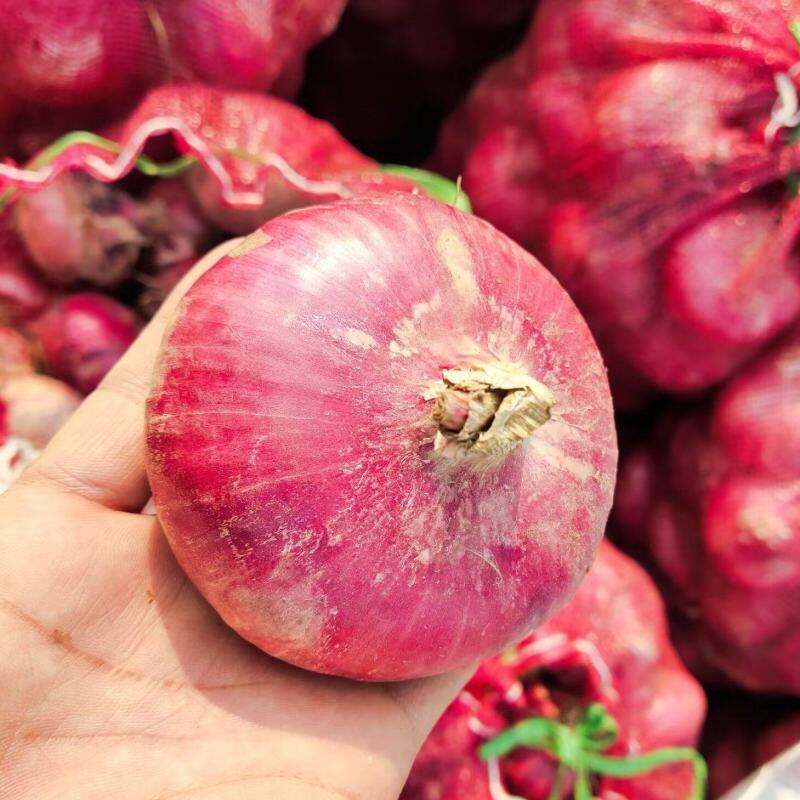
Commercial kitchens across the globe rely heavily on fresh onion varieties to create flavorful, aromatic dishes that satisfy millions of customers daily. The selection of appropriate onion types can significantly impact food preparation efficiency, storage costs, and overall culinary outcomes in high-volume foodservice operations. Understanding which fresh onion varieties perform best in commercial environments requires careful consideration of factors including shelf life, flavor profiles, cooking characteristics, and supplier reliability.
Professional chefs and kitchen managers must evaluate multiple aspects when selecting fresh onion varieties for their operations. Storage capabilities, preparation time requirements, and consistent flavor delivery represent critical factors that directly influence operational success. The right onion selection can streamline kitchen workflows while ensuring consistent quality across thousands of meals served weekly in busy commercial establishments.
Modern foodservice operations benefit tremendously from establishing reliable relationships with suppliers who understand the unique demands of commercial kitchens. Quality fresh onion varieties require proper handling, optimal storage conditions, and timely delivery schedules that align with kitchen production needs. These partnerships enable restaurants, hotels, and institutional facilities to maintain consistent ingredient quality while managing inventory costs effectively.
Essential Characteristics of Commercial-Grade Fresh Onion Varieties
Storage Longevity and Shelf Life Performance
Commercial kitchens require fresh onion varieties that maintain quality and usability over extended storage periods without compromising flavor or texture. Yellow storage onions typically provide the longest shelf life among common varieties, often remaining viable for several months when stored properly in cool, dry conditions with adequate ventilation. These onions develop thick, papery skins that protect the inner layers from moisture loss and bacterial contamination.
Red onions offer moderate storage capabilities while providing distinct flavor profiles that enhance specific menu items. Their storage requirements mirror those of yellow varieties, though they may show signs of sprouting or softening slightly sooner under identical conditions. White onions generally have shorter storage lives but compensate with milder flavors and crisp textures that work excellently in fresh applications.
Temperature control remains crucial for maximizing the storage potential of all fresh onion varieties in commercial settings. Optimal storage temperatures typically range between 32-40°F with humidity levels maintained around 65-70% to prevent dehydration while avoiding conditions that promote sprouting or rot development.
Flavor Profile Consistency and Culinary Applications
Different fresh onion varieties deliver distinct flavor characteristics that suit specific culinary applications in commercial kitchens. Yellow onions provide robust, sulfurous flavors that develop sweetness during cooking processes, making them ideal for soups, stews, and braised dishes where deep onion flavors enhance overall taste profiles. Their strong flavor presence allows chefs to achieve desired taste levels with smaller quantities.
Sweet onions like Vidalia or Walla Walla varieties offer milder, more delicate flavors suitable for raw applications, light sautéing, and dishes where onion presence should complement rather than dominate other ingredients. These varieties work particularly well in salads, sandwiches, and delicate sauce preparations where harsh onion flavors would be inappropriate.
Red onions contribute sharp, slightly spicy flavors along with attractive color that enhances visual presentation in many dishes. Their vibrant purple-red hues remain stable in acidic preparations, making them excellent choices for pickled applications, salads, and garnishes where both flavor and appearance matter significantly.
Optimal Fresh Onion Varieties for High-Volume Food Operations
Yellow Storage Onions for Versatile Kitchen Applications
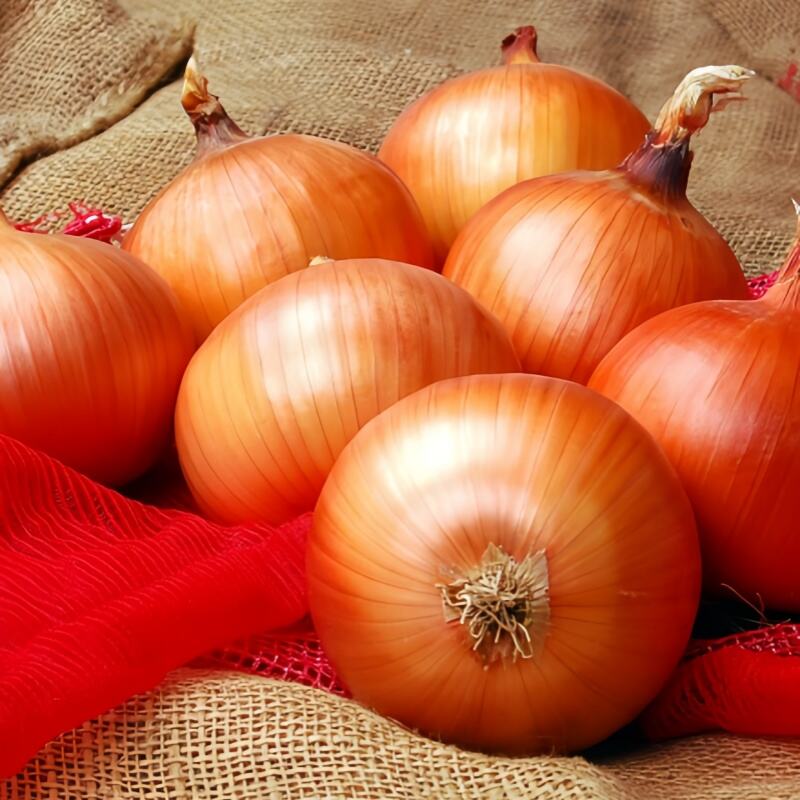
Yellow storage onions represent the workhorse category among fresh onion varieties used in commercial kitchens worldwide. Their exceptional storage capabilities, consistent availability, and reliable flavor profiles make them indispensable for high-volume food operations. These onions typically feature golden-brown outer skins with white flesh that becomes translucent and sweet when cooked properly.
The robust flavor characteristics of yellow onions develop complexity through various cooking methods, from quick sautéing to long, slow caramelization processes. Commercial kitchens appreciate their ability to maintain structural integrity during extended cooking times, preventing the mushy textures that can occur with more delicate fresh onion varieties when subjected to high-heat, fast-paced cooking environments.
Procurement advantages include year-round availability, competitive pricing due to high production volumes, and standardized sizing that facilitates portion control and inventory management. Yellow onions also demonstrate excellent performance in both fresh and processed applications, allowing kitchens to utilize them across diverse menu categories from appetizers through main courses.
Sweet Onion Varieties for Premium Menu Applications
Premium sweet onion varieties offer commercial kitchens opportunities to elevate dish quality while commanding higher menu prices. Vidalia, Maui, and Walla Walla onions provide naturally mild, sweet flavors that require minimal processing to achieve desired taste results. Their low sulfur content reduces the harsh bite associated with other fresh onion varieties, making them suitable for raw preparations.
These specialty fresh onion varieties excel in applications where onion flavors should enhance rather than overpower other premium ingredients. Upscale restaurants often feature sweet onions in signature dishes, artisanal salads, and gourmet sandwich preparations where their distinctive taste profiles justify premium ingredient costs.
Supply considerations include seasonal availability patterns, higher procurement costs, and potentially shorter storage lives compared to standard yellow varieties. However, their unique characteristics and customer appeal often offset these operational challenges in establishments focused on premium dining experiences and specialty menu offerings.
Processing and Preparation Considerations for Commercial Kitchens
Efficiency Standards for High-Volume Onion Processing
Commercial kitchen efficiency depends heavily on selecting fresh onion varieties that support rapid, consistent processing while minimizing labor costs and waste generation. Onions with uniform sizing reduce preparation time variations and enable more accurate portion control across large batch productions. Consistent skin thickness affects peeling efficiency, while flesh density impacts cutting speeds and final product appearance.
Mechanical processing equipment performs optimally with fresh onion varieties that maintain structural integrity during automated cutting, dicing, and slicing operations. Varieties prone to excessive moisture release or irregular textures can cause equipment jams, blade dulling, and inconsistent cut sizes that affect final dish quality and presentation standards.
Pre-processing considerations include timing coordination between delivery schedules and menu production needs. Fresh onion varieties with longer processing windows provide greater operational flexibility, allowing kitchens to prepare ingredients during off-peak hours while maintaining quality standards throughout service periods.
Quality Control and Consistency Management
Implementing quality control protocols for fresh onion varieties ensures consistent results across large-scale food production operations. Visual inspection standards should address skin condition, firmness levels, sprouting indicators, and size uniformity that directly impact processing efficiency and final product quality.
Standardized preparation procedures help kitchen staff achieve consistent results regardless of which fresh onion varieties are currently in use. Training programs should cover proper handling techniques, storage protocols, and preparation methods that maximize yield while maintaining food safety standards throughout the processing chain.
Documentation systems tracking onion variety performance, supplier consistency, and customer feedback provide valuable data for refining procurement decisions. This information helps kitchen managers optimize their selection of fresh onion varieties while building stronger relationships with reliable suppliers who understand commercial kitchen requirements.
Supply Chain and Procurement Strategies
Supplier Relationship Development and Management
Establishing strong partnerships with onion suppliers ensures reliable access to quality fresh onion varieties that meet commercial kitchen specifications. Effective supplier relationships require clear communication regarding delivery schedules, quality standards, and pricing structures that support sustainable business operations for both parties involved in the supply chain.
Diversifying supplier networks reduces risks associated with weather-related crop failures, transportation disruptions, and seasonal availability fluctuations that can impact fresh onion varieties procurement. Multiple supplier relationships enable kitchens to maintain consistent ingredient access while leveraging competitive pricing opportunities throughout different growing seasons.
Regular supplier evaluations should assess delivery reliability, product quality consistency, and responsiveness to special requirements or emergency orders. These assessments help kitchen managers make informed decisions about continuing partnerships while identifying opportunities for improving supply chain efficiency and cost management.
Seasonal Planning and Inventory Optimization
Understanding seasonal availability patterns for different fresh onion varieties enables commercial kitchens to plan menu rotations and inventory strategies that optimize costs while maintaining quality standards. Peak harvest seasons typically offer the best pricing and quality combinations, while off-season periods may require alternative sourcing strategies or menu adjustments.
Inventory management systems should account for varying storage requirements and shelf lives among different fresh onion varieties. Proper rotation protocols ensure older stock utilization before quality degradation occurs, while accurate forecasting prevents both stockouts and excessive waste from over-ordering situations.
Contract negotiations may include volume commitments that secure favorable pricing for consistent fresh onion varieties usage throughout specific time periods. These arrangements provide cost predictability while ensuring supplier commitment to maintaining quality standards and delivery schedules that support kitchen operations.
Cost-Effectiveness and Menu Integration Strategies
Price Point Analysis and Budget Management
Commercial kitchens must balance ingredient quality with cost control objectives when selecting fresh onion varieties for regular menu use. Price analysis should consider not only initial procurement costs but also factors like yield rates, storage losses, and preparation labor requirements that affect total ingredient expenses per serving.
Volume purchasing agreements often provide significant cost advantages for fresh onion varieties used in large quantities, though these arrangements require careful inventory management to prevent waste from over-ordering. Seasonal pricing patterns may influence menu planning decisions, with peak availability periods offering opportunities for featuring onion-forward dishes at attractive profit margins.
Value engineering approaches examine whether premium fresh onion varieties provide sufficient customer value to justify higher ingredient costs. Menu positioning, portion sizing, and preparation methods all influence the perceived value customers associate with dishes featuring specialty onion varieties compared to standard alternatives.
Menu Development and Customer Satisfaction
Strategic menu development leverages the unique characteristics of different fresh onion varieties to create distinctive dishes that differentiate commercial operations from competitors. Seasonal menu rotations can highlight specialty varieties during peak availability periods while building customer anticipation for limited-time offerings featuring premium ingredients.
Customer education through menu descriptions helps diners understand the value proposition associated with premium fresh onion varieties used in specific dishes. Highlighting origin information, variety characteristics, or preparation methods can justify premium pricing while enhancing the perceived quality of menu offerings.
Feedback collection systems help kitchen managers assess customer response to different fresh onion varieties and adjust menu offerings accordingly. This information guides future procurement decisions while identifying opportunities for featuring successful combinations in expanded menu applications or signature dish development.
FAQ
What storage conditions work best for fresh onion varieties in commercial kitchens?
Fresh onion varieties require cool, dry storage conditions with temperatures between 32-40°F and humidity levels around 65-70%. Proper ventilation prevents moisture buildup while dark environments help prevent sprouting. Yellow storage onions typically last longest under these conditions, often remaining viable for several months, while sweet varieties may have shorter storage lives but still benefit from identical environmental controls.
How do different fresh onion varieties affect food preparation efficiency?
Yellow storage onions generally offer the best preparation efficiency due to their uniform sizing, consistent skin thickness, and structural integrity during cutting operations. Sweet varieties like Vidalia require more careful handling but process quickly due to their tender texture. Red onions fall between these extremes, offering good processing characteristics while providing unique flavor and color benefits for specific applications.
Which fresh onion varieties provide the best value for high-volume operations?
Yellow storage onions typically provide the best overall value for high-volume commercial kitchens due to their competitive pricing, long storage life, versatile applications, and year-round availability. While specialty sweet onions command higher prices, they can justify their cost in premium menu applications where their unique characteristics add significant customer value and enable higher menu pricing.
How should commercial kitchens evaluate fresh onion variety suppliers?
Effective supplier evaluation focuses on delivery reliability, consistent product quality, competitive pricing, and responsiveness to special requirements. Kitchen managers should assess suppliers based on their ability to provide consistent sizing, proper handling during transport, accurate delivery schedules, and willingness to work with specific quality standards required for commercial operations. Regular performance reviews help maintain supplier accountability while identifying improvement opportunities.
Table of Contents
- Essential Characteristics of Commercial-Grade Fresh Onion Varieties
- Optimal Fresh Onion Varieties for High-Volume Food Operations
- Processing and Preparation Considerations for Commercial Kitchens
- Supply Chain and Procurement Strategies
- Cost-Effectiveness and Menu Integration Strategies
-
FAQ
- What storage conditions work best for fresh onion varieties in commercial kitchens?
- How do different fresh onion varieties affect food preparation efficiency?
- Which fresh onion varieties provide the best value for high-volume operations?
- How should commercial kitchens evaluate fresh onion variety suppliers?