 EN
EN
The global demand for fresh onion continues to drive international trade, making effective transportation and packaging methods critical for maintaining quality throughout the supply chain. Fresh onion requires specialized handling techniques to preserve its nutritional value, appearance, and shelf life during extended shipping periods. Understanding the proper packaging methods ensures that fresh onion reaches consumers in optimal condition, reducing waste and maximizing profitability for exporters and importers alike.
Commercial fresh onion transportation involves complex logistics that span continents, requiring sophisticated packaging solutions to maintain product integrity. The success of long-distance shipping depends on selecting appropriate materials, controlling environmental factors, and implementing best practices throughout the handling process. Modern packaging technologies have revolutionized how fresh onion is transported, offering enhanced protection against physical damage, moisture loss, and contamination during transit.
Essential Packaging Materials for Fresh Onion Protection
Mesh Bags and Net Packaging Systems
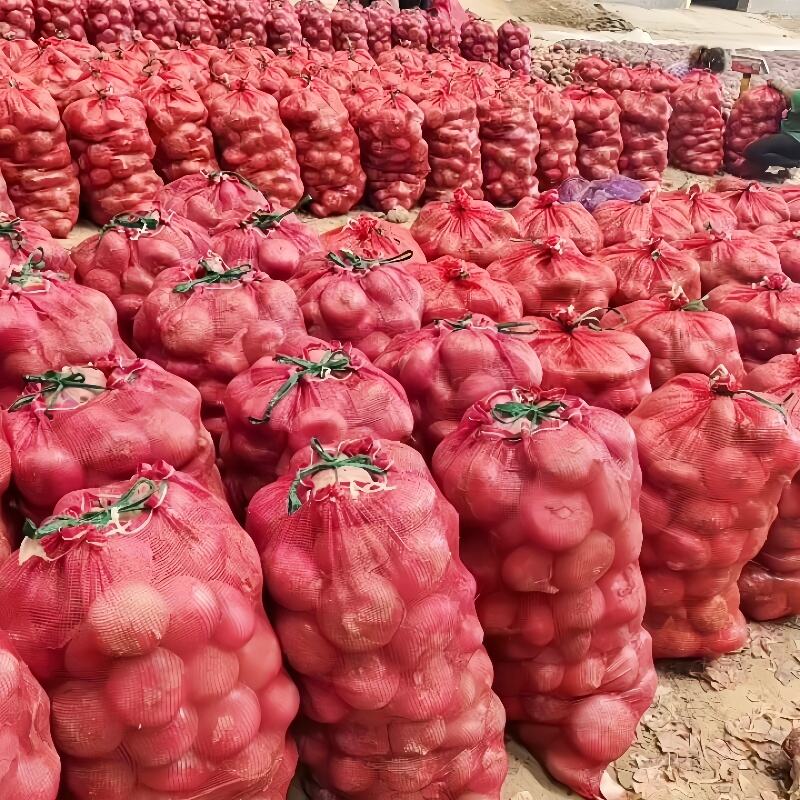
Mesh bags represent the most common packaging solution for fresh onion transportation, providing excellent ventilation while maintaining structural integrity. These specialized bags allow air circulation around each fresh onion bulb, preventing moisture buildup that could lead to sprouting or decay during long journeys. The mesh construction typically uses polypropylene or polyethylene materials that resist tearing and puncturing under normal handling conditions.
Quality mesh bags feature reinforced seams and appropriate mesh size to prevent smaller fresh onion specimens from falling through while maintaining optimal airflow. The breathable nature of mesh packaging prevents condensation accumulation that commonly occurs in sealed containers, significantly reducing the risk of fungal growth and bacterial contamination. Professional exporters often choose mesh bags with different capacities ranging from 10 to 50 kilograms, depending on shipping requirements and destination market preferences.
Ventilated Cardboard Cartons
Cardboard cartons with strategic ventilation holes provide another effective packaging method for fresh onion transportation, offering superior protection against physical damage while maintaining adequate airflow. These containers are engineered with specific hole patterns and sizes that optimize ventilation without compromising structural strength. The cardboard material provides cushioning against impacts and vibrations that occur during loading, unloading, and transit operations.
Modern ventilated cartons incorporate moisture-resistant coatings that protect fresh onion from external humidity while allowing internal moisture to escape. The corrugated construction adds durability and stacking strength, essential for efficient container loading and warehouse storage. Many cartons feature easy-opening designs and clear labeling areas that facilitate quick inspection and inventory management throughout the supply chain.
Temperature and Humidity Control Strategies
Optimal Storage Conditions
Maintaining proper temperature ranges is crucial for preserving fresh onion quality during extended transportation periods. The ideal temperature for fresh onion storage ranges between 32°F to 35°F (0°C to 2°C) with relative humidity levels maintained between 65% to 70%. These conditions significantly slow down respiration rates and enzymatic activities that cause deterioration, extending the viable transportation period for fresh onion shipments.
Temperature fluctuations pose significant risks to fresh onion quality, causing condensation formation and accelerated sprouting processes. Professional transportation companies utilize refrigerated containers with precise temperature monitoring systems to maintain consistent conditions throughout the journey. The controlled environment prevents temperature shock that can cause cellular damage and compromise the structural integrity of fresh onion bulbs.
Moisture Management Techniques
Proper moisture management prevents both dehydration and excess humidity that can damage fresh onion during transportation. Specialized moisture-absorbing packets or desiccants are often included in packaging to maintain optimal humidity levels within acceptable ranges. These materials selectively remove excess moisture while preventing the fresh onion from losing essential water content that maintains firmness and appearance.
Advanced packaging systems incorporate humidity indicators that provide visual feedback on internal moisture conditions, allowing handlers to take corrective action when necessary. The balance between preventing moisture loss and avoiding condensation requires careful consideration of packaging materials, container design, and environmental control systems. Successful fresh onion transportation depends on maintaining this delicate moisture equilibrium throughout the entire shipping process.
Advanced Protection Methods
Ethylene Absorption Technology
Ethylene gas naturally produced by fresh onion and other produce accelerates ripening and deterioration processes, making ethylene management essential for long-distance transportation. Specialized ethylene-absorbing sachets or filters integrated into packaging systems effectively remove this gas from the immediate environment surrounding fresh onion shipments. These technologies significantly extend shelf life and maintain product quality during extended shipping periods.
Modern ethylene absorption systems utilize potassium permanganate, activated carbon, or other specialized materials that chemically neutralize ethylene molecules. The strategic placement of these absorbers within packaging ensures uniform protection throughout the fresh onion load. Regular replacement or regeneration of ethylene absorbers may be necessary for extremely long transportation routes or when shipping mixed produce loads that generate higher ethylene concentrations.
Antimicrobial Packaging Solutions
Antimicrobial packaging technologies provide additional protection against bacterial and fungal contamination that can compromise fresh onion quality during transportation. These systems incorporate natural or synthetic antimicrobial agents into packaging materials, creating a protective barrier that inhibits microbial growth on fresh onion surfaces. The controlled release of antimicrobial compounds maintains effectiveness throughout the shipping period without affecting product taste or safety.
Silver ion technology, essential oils, and other natural antimicrobial compounds are commonly integrated into modern packaging films and containers used for fresh onion transportation. These solutions offer eco-friendly alternatives to chemical treatments while providing superior protection against spoilage organisms. The antimicrobial properties remain active during storage and transportation, continuously protecting fresh onion from contamination sources that may be introduced during handling operations.
Handling and Loading Best Practices
Proper Stacking and Arrangement
Correct stacking techniques prevent physical damage to fresh onion during transportation while maximizing container space utilization. Packages should be arranged to distribute weight evenly and prevent crushing of lower layers, with heavier packages placed at the bottom and lighter ones on top. Strategic placement ensures adequate air circulation around all packages, maintaining consistent temperature and humidity conditions throughout the load.
Professional loading teams follow specific protocols for fresh onion placement that consider factors such as package size, weight distribution, and ventilation requirements. Proper spacing between packages allows air circulation while preventing packages from shifting during transport. The use of load securing devices and blocking materials prevents movement that could cause package damage or compromise the integrity of fresh onion shipments.
Quality Inspection Protocols
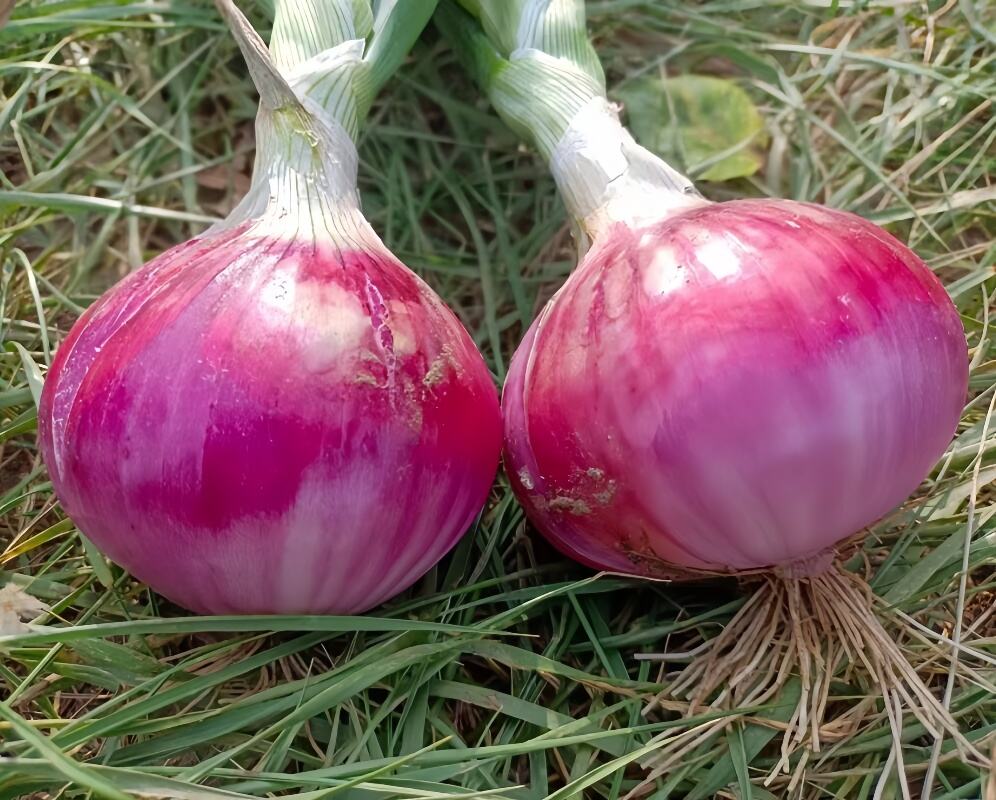
Comprehensive quality inspection procedures ensure that only premium fresh onion enters the transportation system, reducing the risk of contamination and spoilage during shipping. Pre-shipping inspections evaluate factors such as firmness, skin condition, absence of sprouting, and overall appearance to identify any specimens that might compromise the entire shipment. Regular monitoring throughout the transportation process allows for early detection of quality issues.
Digital monitoring systems track temperature, humidity, and other environmental conditions throughout the transportation process, providing real-time data on fresh onion storage conditions. These systems generate alerts when conditions deviate from optimal ranges, enabling prompt corrective action to prevent quality deterioration. Documentation of inspection results and environmental data provides valuable information for continuous improvement of fresh onion transportation practices.
Container and Vehicle Considerations
Refrigerated Container Specifications
Modern refrigerated containers designed for fresh onion transportation feature advanced air circulation systems that maintain uniform temperature and humidity throughout the cargo space. These specialized containers include multiple temperature zones, allowing for precise control of environmental conditions based on fresh onion variety and destination requirements. The insulation systems prevent external temperature variations from affecting internal conditions.
Container ventilation systems incorporate fresh air exchange mechanisms that prevent carbon dioxide buildup while maintaining optimal oxygen levels for fresh onion storage. The air circulation patterns are engineered to ensure even temperature distribution and prevent hot spots that could cause localized deterioration. Regular maintenance and calibration of refrigerated container systems ensure reliable performance throughout long transportation routes.
Vehicle Selection and Setup
Selecting appropriate transportation vehicles involves considering factors such as distance, route conditions, and fresh onion specific requirements. Refrigerated trucks and trailers must have adequate capacity and reliable cooling systems to maintain consistent conditions throughout the journey. The vehicle interior should be clean, sanitized, and free from odors that could be absorbed by fresh onion during transportation.
Vehicle loading configurations maximize space utilization while ensuring proper air circulation around fresh onion packages. Strategic placement of temperature monitoring devices throughout the cargo area provides comprehensive coverage for quality control purposes. Driver training programs ensure proper handling procedures and emergency response protocols for maintaining fresh onion quality during unexpected delays or equipment malfunctions.
FAQ
How long can fresh onion be transported using proper packaging methods
With appropriate packaging and environmental control, fresh onion can be successfully transported for 30 to 90 days depending on variety, initial quality, and storage conditions. Proper temperature control, humidity management, and ventilated packaging significantly extend transportation periods while maintaining commercial quality standards.
What temperature range is optimal for fresh onion transportation
The optimal temperature range for fresh onion transportation is 32°F to 35°F (0°C to 2°C) with relative humidity maintained between 65% to 70%. These conditions minimize respiration rates and prevent sprouting while avoiding freezing damage that can compromise product quality and marketability.
Which packaging materials provide the best protection for fresh onion during shipping
Mesh bags and ventilated cardboard cartons offer the best protection for fresh onion during shipping, providing essential airflow while protecting against physical damage. These materials prevent moisture buildup and allow proper ventilation that maintains fresh onion quality throughout extended transportation periods.
How does ethylene management affect fresh onion transportation success
Effective ethylene management significantly improves fresh onion transportation success by preventing accelerated ripening and deterioration processes. Ethylene-absorbing technologies integrated into packaging systems remove this natural gas, extending shelf life and maintaining product quality during long-distance shipping operations.