 EN
EN

Selecting high-quality fresh garlic is crucial for food processing facilities, restaurants, and catering operations that demand consistent flavor, extended shelf life, and reliable supply chains. Professional buyers must understand the key characteristics that distinguish premium fresh garlic from inferior products, ensuring their operations maintain quality standards while managing costs effectively. The process involves evaluating multiple factors from visual inspection to supplier verification, with each element contributing to the overall success of your culinary or processing endeavors.
Physical Characteristics of Premium Fresh Garlic
Bulb Structure and Firmness Assessment
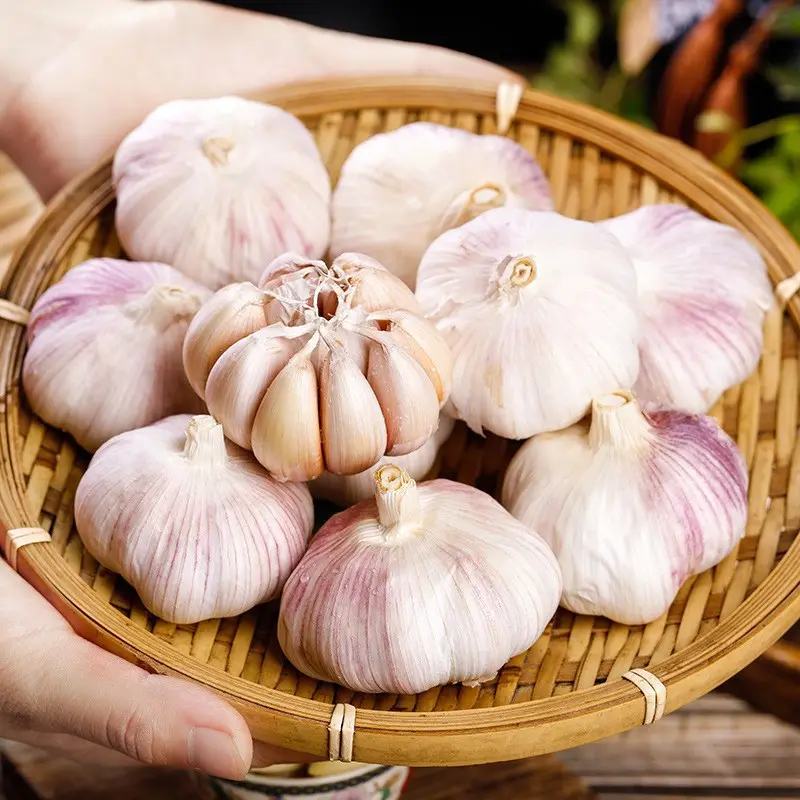
Quality fresh garlic exhibits distinct physical properties that immediately signal its suitability for commercial use. The bulbs should feel heavy for their size, indicating proper moisture content and dense clove development within the papery outer skin. When gently squeezed, premium fresh garlic maintains structural integrity without soft spots or give, demonstrating that the internal cloves remain firm and unblemished. Professional buyers should inspect each bulb for uniform shape and size consistency, as irregular formations often indicate stress during growing or improper storage conditions.
The outer skin provides valuable information about freshness and handling quality throughout the supply chain. Intact, dry papery layers that remain tightly adhered to the bulb indicate proper curing and storage practices from harvest to delivery. Fresh garlic with loose, damaged, or missing outer layers suggests rough handling or extended storage periods that may compromise internal quality. Additionally, the presence of green shoots emerging from the top indicates aging and potential changes in flavor profile that could affect your final products.
Visual Inspection Standards
Color consistency serves as a reliable indicator of fresh garlic quality, with premium bulbs displaying uniform white or off-white coloration across the entire surface. Dark spots, discoloration patches, or yellowing areas typically signal moisture damage, fungal issues, or improper storage conditions that could lead to premature spoilage. The root end should appear clean and dry without signs of mold growth or soft rot that could spread throughout the bulb during storage periods.
Surface texture evaluation reveals important information about handling and storage history throughout the distribution process. High-quality fresh garlic maintains smooth, unblemished skin without cuts, bruises, or mechanical damage that could provide entry points for bacterial contamination. Professional buyers should reject bulbs showing signs of sprouting, as this indicates advanced age and potential bitter flavor development that could negatively impact final product quality and customer satisfaction.
Aromatic Profile and Flavor Indicators
Scent Evaluation Techniques
The aromatic profile of fresh garlic provides immediate insight into its potency, freshness, and suitability for processing applications requiring consistent flavor delivery. Premium quality bulbs emit a clean, sharp garlic scent when the outer layers are gently disturbed, indicating high allicin content and proper enzymatic activity within the cloves. Weak or absent aromas suggest aged product with diminished flavor compounds, while overly pungent or harsh scents may indicate stress or improper curing processes during post-harvest handling.
Professional evaluation involves systematic sampling across different lots to ensure consistency throughout your fresh garlic procurement. The presence of off-odors, musty scents, or sweet fermentation smells indicates quality issues that could compromise your processing operations or final product standards. Fresh garlic should maintain its characteristic clean, penetrating aroma without any competing scents that suggest contamination or deterioration during transportation and storage phases.
Clove Quality Assessment
Individual clove inspection reveals the true quality of fresh garlic beneath the protective outer layers, providing critical information for processing and culinary applications. Premium cloves maintain firm texture with tight skin adherence and uniform coloration throughout the flesh, indicating proper development and optimal harvesting timing. Soft, discolored, or sprouting cloves within the bulb suggest quality inconsistencies that could affect yield calculations and processing efficiency in commercial operations.
The ease of separation between individual cloves indicates proper maturity and curing processes during post-harvest handling. Fresh garlic that has been properly processed allows for clean clove separation without excessive force or damage to the individual segments. Cloves that remain stubbornly attached or separate with difficulty may indicate immature harvesting or improper drying techniques that could affect storage life and processing characteristics in your facility.
Storage and Handling Considerations
Temperature and Humidity Requirements
Proper storage conditions play a crucial role in maintaining fresh garlic quality from procurement through processing, requiring careful attention to environmental controls and handling protocols. Optimal storage temperatures range between 32-35°F with relative humidity levels maintained at 65-70% to prevent dehydration while avoiding conditions that promote sprouting or mold development. These parameters ensure extended shelf life while preserving the flavor compounds and textural properties essential for consistent processing results.
Ventilation systems must provide adequate air circulation to prevent moisture accumulation and hot spots that could accelerate deterioration in stored fresh garlic inventory. Professional storage facilities utilize specialized equipment to monitor and control environmental conditions continuously, ensuring product quality remains consistent throughout extended storage periods. Temperature fluctuations and humidity spikes can rapidly compromise bulb integrity, leading to increased waste rates and inconsistent processing yields that impact operational efficiency.
Inventory Management Strategies
Effective rotation protocols ensure older fresh garlic inventory moves through your operation before quality degradation affects processing outcomes or customer satisfaction. First-in-first-out systems require careful labeling and tracking procedures that account for harvest dates, supplier information, and storage duration to optimize utilization rates. Regular quality assessments throughout the storage period help identify any deterioration trends that could impact future procurement decisions or processing schedules.
Segregation practices prevent quality issues from spreading throughout your fresh garlic inventory, protecting investment value and maintaining consistent supply availability. Damaged or questionable bulbs should be isolated immediately and evaluated for potential salvage or disposal to prevent contamination of healthy inventory. Professional operations implement systematic inspection schedules that catch quality issues early, minimizing losses while maintaining the high standards required for successful processing and catering applications.
Supplier Selection and Verification
Grower Certification and Traceability
Establishing relationships with certified growers ensures consistent access to high-quality fresh garlic that meets your operational requirements throughout seasonal variations and market fluctuations. Reputable suppliers provide detailed information about growing practices, harvest timing, and post-harvest handling procedures that directly impact product quality and shelf life characteristics. Certification programs verify adherence to food safety standards and sustainable growing practices that align with professional buyer requirements and consumer expectations.
Traceability systems enable rapid response to quality issues while providing valuable information for continuous improvement in your fresh garlic procurement processes. Documentation should include field locations, harvest dates, processing facilities, and transportation details that create a complete chain of custody from farm to your facility. This information proves invaluable for identifying trends, resolving disputes, and maintaining compliance with food safety regulations that govern commercial operations.
Supply Chain Reliability
Consistent availability throughout the year requires diversified supplier networks that can provide fresh garlic during seasonal transitions and market disruptions. Professional buyers develop relationships with multiple growers across different geographic regions to ensure continuity of supply while maintaining quality standards. This approach reduces dependency on single sources while providing leverage for price negotiations and quality improvements that benefit long-term operational success.
Transportation and logistics capabilities directly impact fresh garlic quality upon delivery, requiring careful evaluation of supplier infrastructure and handling procedures. Refrigerated transportation, proper ventilation systems, and experienced handling teams contribute to maintaining product integrity throughout the distribution process. Suppliers with robust logistics networks can respond quickly to urgent requirements while maintaining the temperature and humidity conditions necessary for preserving fresh garlic quality during extended transportation periods.
Quality Testing and Sampling Protocols
Laboratory Analysis Methods
Professional fresh garlic evaluation incorporates scientific testing methods that provide objective measurements of quality parameters beyond visual inspection and sensory evaluation. Moisture content analysis reveals proper curing and storage conditions while identifying products that may have shortened shelf life or compromised processing characteristics. Allicin content testing measures the active compounds responsible for flavor and antimicrobial properties, ensuring consistency in your final products and meeting customer expectations for potency and taste.
Microbiological testing confirms food safety standards and identifies potential contamination issues that could affect processing operations or consumer health. Standard testing protocols include bacterial counts, yeast and mold levels, and pathogen screening that verify compliance with industry regulations and internal quality standards. Regular testing schedules help establish baseline quality metrics while identifying trends that could indicate supplier issues or handling problems requiring corrective action.
Sampling Procedures
Systematic sampling ensures representative evaluation of fresh garlic lots while minimizing costs and maintaining operational efficiency throughout the procurement process. Statistical sampling plans account for lot sizes, quality variations, and acceptable risk levels to provide confidence in purchase decisions. Professional buyers implement standardized procedures that collect samples from multiple locations within each shipment, accounting for potential quality variations that could affect processing yields or final product consistency.
Documentation of sampling results creates valuable data for supplier performance evaluation and continuous improvement initiatives in your fresh garlic procurement program. Detailed records should include visual assessments, measurement data, and test results that enable trend analysis and supplier comparisons over time. This information supports negotiations, quality improvement discussions, and long-term strategic planning for your fresh garlic supply chain management.
Processing Application Considerations
Industrial Processing Requirements
Fresh garlic destined for industrial processing applications requires specific quality characteristics that ensure efficient operations and consistent end product quality throughout production runs. Uniform sizing facilitates mechanical processing equipment operation while consistent moisture content enables predictable processing times and yields. Bulbs with high clove-to-skin ratios maximize useable product recovery while minimizing waste disposal costs and improving operational efficiency in high-volume processing environments.
Flavor stability during processing depends on proper enzyme activity and compound preservation within fresh garlic cloves, requiring careful selection based on harvest timing and storage conditions. Premium processing grades maintain consistent allicin potential and flavor compound concentrations that survive heating, dehydration, or fermentation processes without significant degradation. These characteristics ensure your processed products maintain the desired flavor profiles and functional properties that meet market demands and customer specifications.
Catering and Foodservice Applications
Commercial kitchen operations require fresh garlic that delivers consistent performance across various preparation methods while maintaining quality during extended storage periods between deliveries. Restaurant-grade products should demonstrate reliable peeling characteristics, uniform clove sizes, and predictable flavor intensity that enables consistent recipe execution and portion control. Professional chefs depend on fresh garlic that performs consistently whether used raw, sautéed, roasted, or incorporated into complex sauce preparations.
Storage life in commercial kitchen environments demands fresh garlic with excellent keeping quality under variable temperature and humidity conditions common in busy foodservice operations. Products must resist sprouting, maintain firm texture, and preserve flavor characteristics despite handling stress and environmental fluctuations typical in professional kitchen settings. Extended shelf life reduces inventory turnover costs while ensuring consistent availability for menu items and special preparations throughout service periods.
FAQ
How long can fresh garlic be stored before quality deteriorates significantly
Fresh garlic can maintain optimal quality for 6-8 months when stored under proper conditions of 32-35°F and 65-70% humidity with adequate ventilation. However, processing and catering operations should aim for 30-60 day inventory turnover to ensure peak flavor and texture characteristics. Quality begins declining gradually after 3 months, with sprouting and flavor changes becoming more pronounced in extended storage situations.
What are the key differences between hardneck and softneck fresh garlic varieties for commercial use
Hardneck varieties produce scapes and typically offer more complex flavors with better storage life, making them ideal for processing applications requiring intense garlic character. Softneck varieties lack scapes, feature milder flavors, and often provide larger bulb sizes with easier mechanical processing characteristics. Softneck types dominate commercial markets due to longer storage potential and consistent availability, while hardneck varieties serve specialty applications requiring distinctive flavor profiles.
How can buyers verify the authenticity of organic fresh garlic certifications
Authentic organic certifications require verification through accredited certification bodies that provide traceable documentation linking specific lots to certified growing operations. Buyers should request copies of current organic certificates, inspection reports, and transaction certificates that demonstrate proper chain of custody throughout the supply process. Additionally, suppliers should provide detailed records of organic input usage, field management practices, and post-harvest handling procedures that comply with organic standards.
What storage conditions indicate potential quality problems in fresh garlic inventory
Warning signs include temperature fluctuations above 40°F, humidity levels exceeding 75%, inadequate air circulation, and visible moisture accumulation on storage surfaces. Green sprouting, soft spots, mold growth, or off-odors indicate immediate quality concerns requiring prompt evaluation and potential inventory segregation. Regular monitoring of storage conditions and product appearance helps identify problems before they spread throughout the inventory and cause significant losses.
Table of Contents
- Physical Characteristics of Premium Fresh Garlic
- Aromatic Profile and Flavor Indicators
- Storage and Handling Considerations
- Supplier Selection and Verification
- Quality Testing and Sampling Protocols
- Processing Application Considerations
-
FAQ
- How long can fresh garlic be stored before quality deteriorates significantly
- What are the key differences between hardneck and softneck fresh garlic varieties for commercial use
- How can buyers verify the authenticity of organic fresh garlic certifications
- What storage conditions indicate potential quality problems in fresh garlic inventory