 EN
EN
The global spice trade has witnessed unprecedented growth in recent years, with fresh ginger emerging as one of the most sought-after commodities in international markets. Understanding fresh ginger specifications becomes crucial for importers, distributors, and food processing companies seeking to establish reliable supply chains. These specifications determine not only the quality and shelf life of the product but also its marketability across different regions and applications. Professional buyers must navigate complex grading systems, moisture content requirements, and size classifications to ensure their purchases meet both regulatory standards and consumer expectations.
Essential Quality Parameters for Commercial Fresh Ginger
Physical Appearance and Surface Characteristics
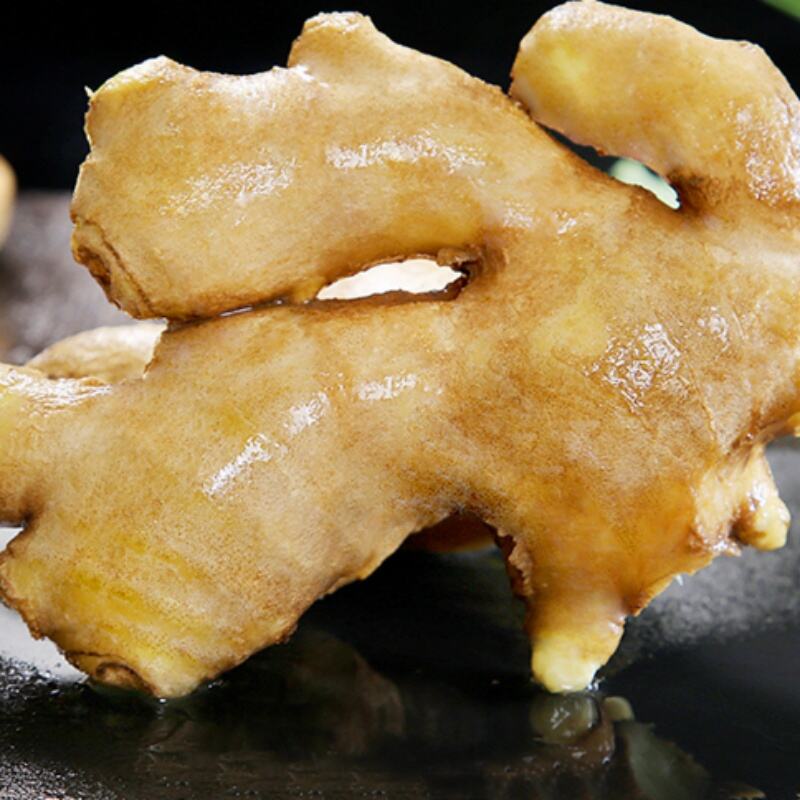
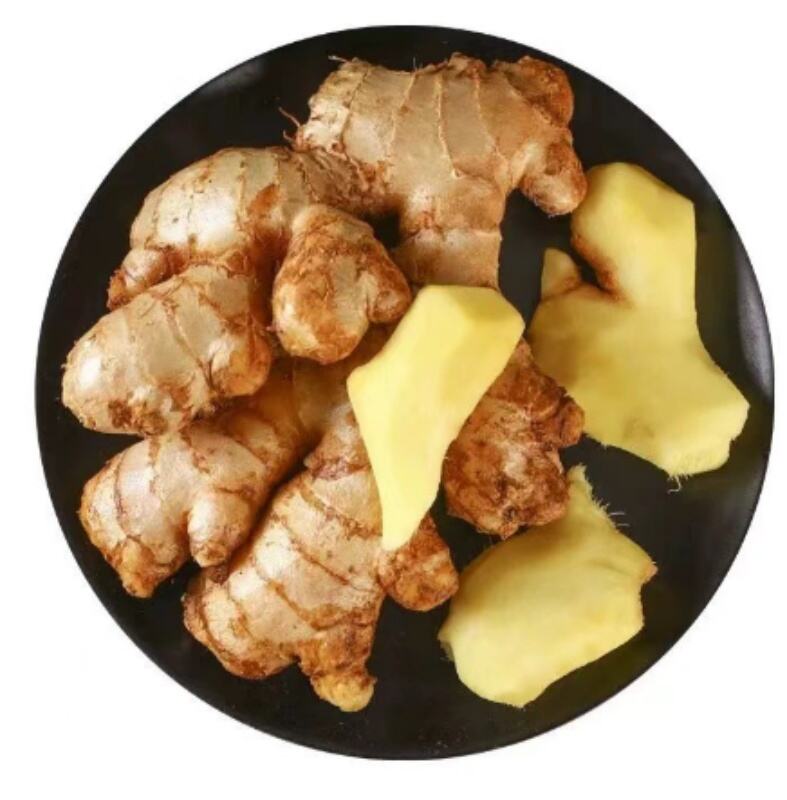
Premium fresh ginger specifications typically require rhizomes with smooth, tight skin that exhibits minimal wrinkling or blemishes. The surface should display a characteristic golden-brown to light tan coloration, free from dark spots, cuts, or mechanical damage that could compromise storage life. Professional graders examine the firmness of each piece, ensuring the flesh remains dense and resistant to pressure. Any signs of sprouting, soft spots, or mold formation immediately disqualify products from meeting commercial fresh ginger specifications standards.
The overall shape and formation of individual rhizomes play a significant role in determining market value and processing suitability. Well-developed pieces with pronounced finger-like projections often command premium prices due to their visual appeal and ease of handling. Fresh ginger specifications frequently stipulate minimum thickness requirements, typically ranging from 15 to 25 millimeters for export-grade products. The skin should adhere tightly to the underlying flesh, indicating proper maturity and optimal harvest timing.
Size Classifications and Grading Standards
International markets recognize several size categories within fresh ginger specifications, each targeting specific end-use applications and consumer preferences. Large-grade ginger, typically measuring 150 grams or more per piece, serves wholesale markets and industrial processing facilities. Medium-grade products, ranging from 50 to 150 grams, cater to retail chains and food service establishments. Small-grade classifications, under 50 grams, often find applications in specialty markets and direct consumer sales channels.
Professional buyers must understand that fresh ginger specifications vary significantly between importing countries and regional markets. European markets generally prefer larger, cleaner pieces with minimal soil residue, while Asian markets may accept smaller sizes with different surface preparation standards. These variations in fresh ginger specifications directly impact pricing structures, packaging requirements, and transportation logistics throughout the supply chain.
Moisture Content and Storage Requirements
Optimal Moisture Levels for Extended Shelf Life
Maintaining appropriate moisture content represents one of the most critical aspects of fresh ginger specifications for successful international trade. Premium-grade products typically contain between 80 to 85 percent moisture, providing the ideal balance between freshness and storage stability. Higher moisture levels can promote bacterial growth and reduce shelf life, while lower moisture content may result in undesirable texture changes and flavor deterioration. Professional testing laboratories use standardized methods to verify moisture compliance with established fresh ginger specifications.
Temperature-controlled storage becomes essential when dealing with products meeting strict fresh ginger specifications. Recommended storage temperatures range from 12 to 15 degrees Celsius, with relative humidity maintained between 90 to 95 percent. These conditions help preserve the natural moisture balance while preventing dehydration and maintaining the characteristic pungency that defines quality ginger products.
Post-Harvest Handling and Processing Standards
Proper post-harvest handling procedures directly influence whether products can meet stringent fresh ginger specifications required by international buyers. Immediate cleaning to remove soil particles and organic debris helps prevent contamination and extends storage life. However, excessive washing can damage the protective skin layer and create entry points for pathogens. Many fresh ginger specifications therefore specify gentle cleaning methods using soft brushes and minimal water exposure.
Curing processes, where applicable, must align with specific fresh ginger specifications outlined in purchase agreements. Some markets prefer uncured products with their natural skin intact, while others require partial curing to develop desired flavor profiles and improved storage characteristics. Professional suppliers maintain detailed documentation of all handling procedures to demonstrate compliance with buyer requirements and regulatory standards.
Chemical Composition and Pungency Standards
Essential Oil Content and Flavor Compounds
The concentration of active compounds significantly impacts how products perform against established fresh ginger specifications in commercial applications. Gingerol content, the primary pungent compound, typically ranges from 0.25 to 3.0 percent in fresh rhizomes, with premium grades maintaining levels toward the higher end of this spectrum. Essential oil content, comprising primarily zingiberene and other sesquiterpenes, should constitute at least 0.25 percent of total dry weight to meet most international fresh ginger specifications.
Laboratory analysis becomes crucial for verifying compliance with chemical composition requirements outlined in fresh ginger specifications for specific markets and applications. Gas chromatography and high-performance liquid chromatography provide accurate measurements of key flavor compounds, ensuring products meet both regulatory requirements and customer expectations for taste and aroma characteristics.
Residue Limits and Food Safety Standards
Modern fresh ginger specifications incorporate comprehensive pesticide residue limits and microbiological safety parameters that reflect increasingly stringent global food safety requirements. Maximum residue limits vary between importing countries, with European Union standards often setting the most restrictive thresholds for agricultural chemicals. Professional suppliers must maintain detailed records of all applied treatments and conduct regular testing to ensure compliance with applicable fresh ginger specifications.
Microbiological parameters within fresh ginger specifications typically address total plate counts, yeast and mold levels, and pathogen screening for organisms such as Salmonella and E. coli. These requirements become particularly critical for products destined for fresh consumption or minimal processing applications. Third-party laboratory certification often provides the documentation necessary to demonstrate compliance with importing country regulations and buyer specifications.
Packaging and Transportation Considerations
Protective Packaging Systems
Effective packaging plays a crucial role in maintaining product quality throughout the supply chain and ensuring delivered products continue to meet agreed-upon fresh ginger specifications. Mesh bags allow adequate air circulation while providing protection against physical damage during handling and transportation. Ventilated plastic containers offer enhanced protection for premium-grade products but require careful moisture management to prevent condensation buildup that could compromise quality standards.
Many fresh ginger specifications now include detailed packaging requirements that address materials, sizing, labeling, and traceability elements. Biodegradable packaging options are gaining acceptance in environmentally conscious markets, though suppliers must ensure these alternatives provide adequate protection without compromising product quality or shelf life expectations.
Cold Chain Management and Logistics
Maintaining proper temperature conditions throughout the transportation and distribution process becomes essential for products marketed under premium fresh ginger specifications. Refrigerated containers set to optimal temperature ranges help preserve quality characteristics and extend shelf life for international shipments. Real-time monitoring systems provide documentation of temperature compliance and help identify potential quality issues before products reach their final destination.
Professional logistics providers understand that fresh ginger specifications often include specific requirements for handling procedures, storage conditions, and delivery timelines. Coordination between suppliers, freight forwarders, and receiving facilities ensures products maintain their quality attributes and continue to meet specification requirements throughout the entire supply chain process.
Market-Specific Requirements and Certifications
Organic and Sustainable Production Standards
Growing consumer demand for organic products has led to the development of specialized fresh ginger specifications that address organic production methods, certification requirements, and traceability documentation. Organic fresh ginger specifications typically prohibit the use of synthetic pesticides, fertilizers, and growth regulators while requiring detailed documentation of production practices and input materials. Certification bodies conduct regular inspections to verify compliance with organic standards and maintain the integrity of the supply chain.
Sustainable production practices are increasingly incorporated into fresh ginger specifications as buyers seek to align their sourcing with corporate social responsibility objectives. These requirements may address water usage, soil conservation, worker safety, and environmental impact considerations. Fair trade certifications provide additional market differentiation opportunities for suppliers who can demonstrate compliance with social and environmental standards.
Regional Market Preferences and Regulations
Different geographic markets maintain distinct preferences and regulatory requirements that influence fresh ginger specifications for specific destinations. Japanese markets often emphasize visual perfection and uniform sizing, while Middle Eastern markets may prioritize pungency levels and specific variety characteristics. Understanding these regional differences becomes crucial for suppliers seeking to develop long-term relationships with international buyers.
Import regulations continue to evolve in response to food safety concerns and trade policy changes, requiring suppliers to stay current with the latest fresh ginger specifications for target markets. Documentation requirements, inspection procedures, and certification standards vary significantly between countries, making compliance management a complex but essential aspect of successful international trade operations.
FAQ
What moisture content is considered optimal for export-quality fresh ginger
Export-quality fresh ginger typically maintains moisture content between 80 to 85 percent to ensure optimal balance between freshness and storage stability. This range provides the necessary hydration to maintain texture and flavor while minimizing the risk of bacterial growth during extended transportation and storage periods. Professional testing using standardized methods ensures compliance with international fresh ginger specifications.
How do size classifications impact pricing in international ginger markets
Size classifications significantly influence pricing structures, with larger pieces (150+ grams) commanding premium prices due to their suitability for wholesale and processing applications. Medium-grade ginger (50-150 grams) serves retail markets at moderate price points, while smaller pieces typically receive lower valuations despite meeting quality standards. Fresh ginger specifications often include specific size requirements that directly correlate with market pricing expectations.
What are the key chemical compounds evaluated in fresh ginger quality assessments
Quality assessments focus primarily on gingerol content (0.25-3.0% range) and essential oil concentration (minimum 0.25% dry weight basis) as primary indicators of pungency and flavor characteristics. Additional compounds including zingiberene and other sesquiterpenes contribute to the overall aroma profile. Laboratory analysis using chromatography methods provides accurate measurements to verify compliance with established fresh ginger specifications for commercial applications.
How do organic certification requirements differ from conventional fresh ginger specifications
Organic fresh ginger specifications prohibit synthetic pesticides, fertilizers, and growth regulators while requiring comprehensive documentation of production practices and input materials. Certified organic products must maintain complete traceability from farm to final packaging, with regular third-party inspections ensuring compliance with organic standards. These additional requirements often result in premium pricing but provide access to specialized market segments with specific sustainability preferences.
Table of Contents
- Essential Quality Parameters for Commercial Fresh Ginger
- Moisture Content and Storage Requirements
- Chemical Composition and Pungency Standards
- Packaging and Transportation Considerations
- Market-Specific Requirements and Certifications
-
FAQ
- What moisture content is considered optimal for export-quality fresh ginger
- How do size classifications impact pricing in international ginger markets
- What are the key chemical compounds evaluated in fresh ginger quality assessments
- How do organic certification requirements differ from conventional fresh ginger specifications