Growing Scallions: Your Guide to Year-Round Sustainable Garden Success

Get a Free Quote

Our representative will contact you soon.
Email
Name
Company Name
Products
Mobile/WhatsApp
Message
0/1000

planting scallions

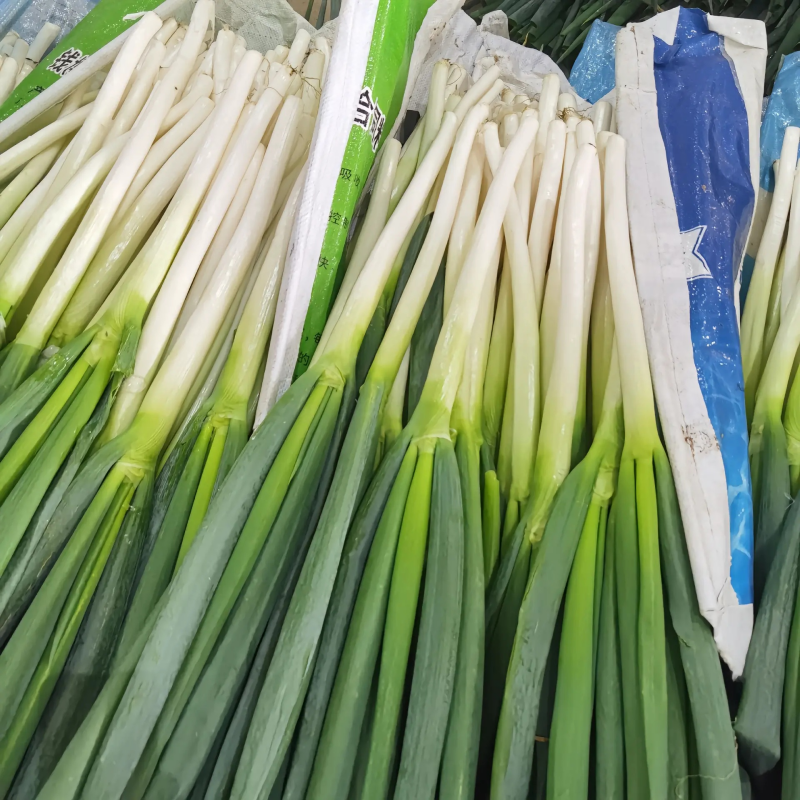
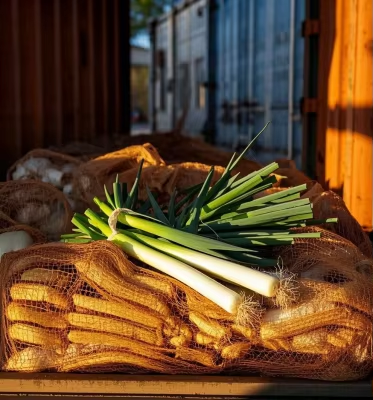
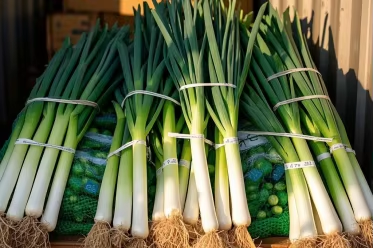
Planting scallions, also known as green onions, is a rewarding and straightforward gardening endeavor that offers both culinary and economic benefits. These versatile vegetables are known for their rapid growth cycle, typically reaching maturity in just 8 to 10 weeks. The process begins with selecting either seeds or starter bulbs, which can be planted in well-draining soil enriched with organic matter. Scallions require consistent moisture and at least 6 hours of direct sunlight daily to thrive. One of the most remarkable features of scallion cultivation is their cut-and-come-again nature, allowing multiple harvests from the same plant. The technology behind modern scallion cultivation has evolved to include hydroponic systems, enabling year-round growth regardless of climate conditions. These plants are particularly well-suited for container gardening and raised beds, making them an excellent choice for urban gardeners with limited space. The applications of homegrown scallions extend beyond culinary use, as they can also serve as natural pest deterrents in garden companion planting schemes.

New Product Releases

The advantages of planting scallions are numerous and compelling. First, their low maintenance requirements make them ideal for both novice and experienced gardeners. These hardy plants demonstrate remarkable resilience to various weather conditions and can thrive in most climate zones. Economic benefits are substantial, as a single planting can yield multiple harvests throughout the growing season. The space efficiency of scallions is particularly noteworthy, as they can be grown in small areas while providing significant yields. From a health perspective, home-grown scallions offer superior nutritional value compared to store-bought alternatives, containing higher levels of vitamins A and C, as well as essential minerals. The versatility of scallions in cooking makes them an invaluable garden addition, serving as both a garnish and a key ingredient in numerous cuisines. Their rapid growth rate ensures a quick return on investment, with harvests possible within two months of planting. Additionally, scallions possess natural pest-repellent properties, making them excellent companion plants that can protect other vegetables in your garden. The sustainability aspect is also significant, as scallions can be regrown from kitchen scraps, reducing waste and providing continuous harvests.

Tips And Tricks

Why Are Pumpkins a Key Commodity in Cross-Border Agricultural Trade?

26

Aug

Why Are Pumpkins a Key Commodity in Cross-Border Agricultural Trade?

The Role of Pumpkins in Global Agricultural Trade Pumpkins, a staple in both the culinary world and agriculture, have emerged as a significant commodity in cross-border agricultural trade. Their versatility in cuisine, as well as their value in proce...
View More
How Can Onion Procurement Strengthen Food Processing Enterprises?

25

Sep

How Can Onion Procurement Strengthen Food Processing Enterprises?

Strategic Onion Sourcing: A Key Driver for Food Industry Success The food processing industry relies heavily on consistent, high-quality raw material sourcing to maintain operational excellence. At the heart of many processed food products lies a hum...
View More
What Are the Key Benefits of Importing Potato in Large Quantities?

25

Sep

What Are the Key Benefits of Importing Potato in Large Quantities?

The Strategic Advantages of Bulk Potato Imports The global trade landscape has witnessed a significant surge in importing potato shipments, as businesses recognize the substantial benefits of large-scale procurement. From ensuring year-round supply c...
View More
What Makes Ginger From Chinese Farms Popular Among Global Buyers?

03

Nov

What Makes Ginger From Chinese Farms Popular Among Global Buyers?

The Rising Dominance of Chinese Ginger in Global Markets Chinese ginger farms have emerged as the world's leading source of premium ginger, capturing the attention of international buyers and dominating the global spice trade. With centuries of culti...
View More

Get a Free Quote

Our representative will contact you soon.
Email
Name
Company Name
Products
Mobile/WhatsApp
Message
0/1000

planting scallions

Year-round Growing Potential

Year-round Growing Potential

One of the most remarkable features of scallion cultivation is its adaptability to year-round growing conditions. Through innovative growing techniques and proper planning, gardeners can maintain a continuous supply of fresh scallions regardless of seasonal changes. Indoor growing systems, including hydroponics and controlled environment agriculture, have revolutionized scallion production. These methods provide precise control over growing conditions, ensuring optimal temperature, humidity, and light exposure throughout the year. The ability to grow scallions indoors also eliminates concerns about adverse weather conditions, pests, and seasonal limitations that typically affect outdoor cultivation. This continuous growing capability not only ensures a steady supply of fresh scallions but also makes it possible to maintain consistent quality and yield throughout the year.
Space-Efficient Cultivation

Space-Efficient Cultivation

Scallions excel in space-efficient cultivation, making them an ideal choice for gardeners with limited growing area. Their vertical growth pattern allows for high-density planting, maximizing yield per square foot. In container gardens, raised beds, or traditional garden plots, scallions can be planted as close as 2-3 inches apart, allowing for intensive production in small spaces. This efficient use of space is particularly valuable in urban gardening settings, where growing area is often at a premium. The compact nature of scallion plants also makes them perfect for interplanting between larger vegetables, maximizing garden productivity through companion planting strategies. Their shallow root system means they can thrive in containers as shallow as 6 inches, making them suitable for window boxes, balcony gardens, and other confined spaces.

Economic and Environmental Benefits

Economic and Environmental Benefits

The economic and environmental advantages of growing scallions are substantial and multifaceted. From a financial perspective, a small investment in seeds or starter plants can yield multiple harvests throughout the growing season, significantly reducing grocery expenses. The cut-and-come-again nature of scallions means that a single planting can provide continuous yields for several months, maximizing return on investment. Environmentally, home-grown scallions reduce the carbon footprint associated with commercial production and transportation. Their minimal water requirements and natural pest resistance make them an environmentally sustainable crop choice. Additionally, the ability to regrow scallions from kitchen scraps promotes zero-waste gardening practices, contributing to environmental conservation efforts.

Get a Free Quote

Our representative will contact you soon.
Email
Name
Company Name
Products
Mobile/WhatsApp
Message
0/1000