 EN
EN
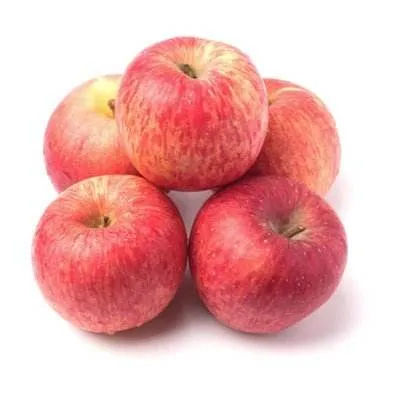
China stands as the world's largest apple producer, contributing over 50% of global apple production annually. For international buyers seeking fresh, high-quality apples, understanding how to identify reliable apple exporters from China becomes crucial for successful business partnerships. The Chinese apple export industry encompasses thousands of suppliers, ranging from small-scale farmers to large agricultural corporations, making the selection process both challenging and essential for procurement success.
The complexity of international apple trade requires buyers to evaluate multiple factors beyond basic pricing considerations. Quality consistency, export certifications, supply chain reliability, and communication capabilities all play vital roles in determining long-term partnership success. Professional buyers understand that working with established apple exporters from China involves comprehensive due diligence processes that protect both quality standards and business investments.
Essential Quality Certifications and Standards
International Food Safety Certifications
Reputable apple exporters maintain comprehensive food safety certifications that demonstrate their commitment to international quality standards. Global Food Safety Initiative (GFSI) benchmarked schemes such as BRC, IFS, and SQF provide buyers with confidence in supplier capabilities. These certifications require regular third-party audits covering production facilities, storage conditions, and handling procedures throughout the supply chain.
HACCP (Hazard Analysis Critical Control Points) implementation represents another fundamental requirement for professional apple export operations. This systematic approach identifies potential food safety hazards and establishes critical control points to prevent contamination. Buyers should verify that suppliers maintain current HACCP documentation and demonstrate consistent adherence to established protocols during facility inspections.
Organic and Sustainability Credentials
Growing consumer demand for organic produce drives the importance of verified organic certifications among Chinese apple suppliers. USDA Organic, EU Organic, and JAS Organic certifications enable access to premium markets while commanding higher price points. Buyers targeting organic segments must verify that apple exporters from China maintain valid organic certificates and follow strict organic production protocols.
Sustainability certifications such as GlobalGAP demonstrate environmental responsibility and social compliance throughout agricultural operations. These standards address water management, integrated pest management, worker safety, and environmental impact reduction. Forward-thinking buyers increasingly prioritize suppliers with documented sustainability practices to meet corporate social responsibility objectives and consumer expectations.
Production Capacity and Supply Chain Reliability
Seasonal Production Planning
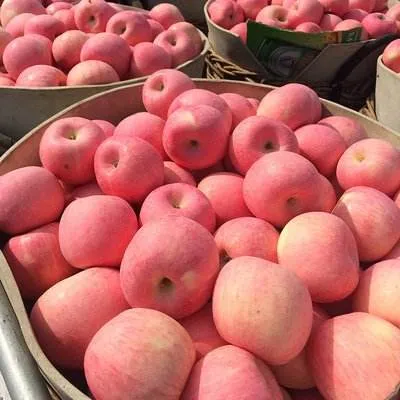
China's diverse agricultural regions enable year-round apple availability through strategic production planning across different climatic zones. Northern provinces like Shandong and Shaanxi produce premium apples during traditional harvest seasons, while southern regions extend availability through controlled atmosphere storage and different variety cultivation. Understanding supplier production calendars helps buyers plan procurement schedules and maintain consistent inventory levels.
Professional apple exporters maintain detailed production forecasts that account for weather variables, market demand fluctuations, and quality expectations. These forecasts enable proactive communication with buyers regarding availability, pricing trends, and potential supply disruptions. Suppliers who provide transparent production planning demonstrate professionalism and commitment to customer service excellence.
Storage and Cold Chain Management
Advanced cold storage facilities distinguish professional apple exporters from basic commodity traders. Modern controlled atmosphere storage maintains optimal temperature, humidity, and gas composition to preserve apple quality for extended periods. Buyers should evaluate supplier storage capacities, temperature monitoring systems, and backup power provisions to ensure consistent product quality throughout storage periods.
Cold chain management extends beyond storage facilities to include transportation logistics and export procedures. Reliable suppliers maintain refrigerated transportation fleets or partnerships with specialized logistics providers. Temperature data logging throughout the cold chain provides buyers with quality assurance documentation and enables rapid issue identification when problems arise during transit.
Export Experience and Market Knowledge
Destination Market Expertise
Experienced apple exporters possess deep understanding of destination market requirements, including phytosanitary regulations, import procedures, and consumer preferences. This knowledge enables suppliers to provide appropriate documentation, select suitable apple varieties, and customize packaging solutions for specific markets. Buyers benefit from working with exporters who understand regulatory complexities and can navigate changing import requirements efficiently.
Market-specific experience includes understanding seasonal demand patterns, competitive pricing dynamics, and consumer preference trends in target destinations. Suppliers with established market presence can provide valuable insights regarding optimal timing for shipments, variety selection, and marketing strategies that enhance product success in international markets.
Logistics and Documentation Capabilities
Professional export operations require sophisticated logistics coordination and documentation management systems. Reliable apple exporters maintain relationships with established freight forwarders, shipping lines, and customs brokers to ensure smooth export procedures. Buyers should evaluate supplier capabilities in coordinating container bookings, customs clearance, and delivery scheduling to minimize transit delays and associated costs.
Accurate documentation preparation prevents costly delays and regulatory complications during import procedures. Experienced exporters understand requirements for certificates of origin, phytosanitary certificates, commercial invoices, and packing lists specific to destination countries. Digital documentation systems enable real-time document sharing and reduce processing times for import clearance procedures.
Financial Stability and Payment Terms
Company Financial Health Assessment
Evaluating supplier financial stability protects buyers from supply disruptions and payment-related complications. Credit reports, bank references, and financial statements provide insights into company stability and growth trends. Established apple exporters typically maintain strong banking relationships and demonstrate consistent profitability over multiple seasons despite agricultural market volatility.
Long-term sustainability requires suppliers with adequate working capital to manage seasonal cash flow variations and invest in facility improvements. Buyers should assess supplier financial capacity to handle large orders, weather-related production challenges, and market price fluctuations without compromising service quality or delivery commitments.
Flexible Payment Solutions
Professional apple exporters offer multiple payment options that accommodate buyer preferences and risk management requirements. Letter of credit arrangements provide security for both parties while enabling international payment processing through established banking channels. Trade financing options help buyers manage cash flow while ensuring suppliers receive timely payments for delivered products.
Flexible payment terms demonstrate supplier confidence in product quality and customer relationships. Experienced exporters may offer extended payment periods for established customers or provide early payment discounts to improve cash flow management. These arrangements require mutual trust and documented payment histories that benefit both trading partners.
Communication and Customer Service Excellence
Language and Cultural Competency
Effective communication forms the foundation of successful international trade relationships. Reliable apple exporters employ multilingual staff who understand cultural nuances and business practices in target markets. Clear communication prevents misunderstandings regarding product specifications, delivery schedules, and quality requirements that could impact business relationships.
Cultural competency extends beyond language skills to include understanding of business etiquette, negotiation styles, and relationship-building approaches preferred by international buyers. Suppliers who invest in cultural training for their export teams demonstrate commitment to long-term partnership development and customer satisfaction.
Technology and Information Systems
Modern apple exporters utilize technology platforms that enhance communication efficiency and provide real-time visibility into order status, inventory levels, and shipping schedules. Customer portals, mobile applications, and integrated systems enable buyers to track orders, access documentation, and communicate with supplier teams efficiently throughout the export process.
Advanced information systems support quality traceability requirements by maintaining detailed records of production locations, harvest dates, processing procedures, and distribution channels. This traceability capability becomes essential when addressing quality issues or meeting food safety investigation requirements in destination markets.
FAQ
How can buyers verify the authenticity of certifications from Chinese apple exporters?
Buyers should request original certification documents and verify their authenticity directly with issuing certification bodies. Most international certification organizations maintain online databases where buyers can confirm certificate validity using certificate numbers or company names. Additionally, requesting recent audit reports and conducting facility visits provide further verification of supplier compliance with stated standards.
What are the typical minimum order quantities for working with Chinese apple exporters?
Minimum order quantities vary significantly among suppliers, typically ranging from single container loads (approximately 18-24 tons) to multiple container commitments. Larger exporters often require higher minimum orders but may offer better pricing and service levels. Buyers should discuss volume requirements early in negotiations and consider consolidating orders across multiple varieties or delivery periods to meet supplier minimums.
How do seasonal factors affect apple availability and pricing from Chinese suppliers?
Chinese apple harvest seasons typically occur from August through November, with peak availability during September and October. Fresh apple prices generally reach lowest levels immediately following harvest and increase gradually throughout storage periods. Buyers can optimize costs by placing orders during harvest seasons while ensuring suppliers maintain proper cold storage facilities for extended availability throughout the year.
What quality inspection procedures should buyers implement when working with Chinese apple exporters?
Comprehensive quality inspection should include pre-shipment inspections at supplier facilities, container loading supervision, and destination inspections upon arrival. Third-party inspection services provide independent quality verification and documentation. Buyers should establish clear quality specifications covering size, color, firmness, sugar content, and defect tolerances, with agreed-upon sampling procedures and acceptance criteria for each shipment.
Table of Contents
- Essential Quality Certifications and Standards
- Production Capacity and Supply Chain Reliability
- Export Experience and Market Knowledge
- Financial Stability and Payment Terms
- Communication and Customer Service Excellence
-
FAQ
- How can buyers verify the authenticity of certifications from Chinese apple exporters?
- What are the typical minimum order quantities for working with Chinese apple exporters?
- How do seasonal factors affect apple availability and pricing from Chinese suppliers?
- What quality inspection procedures should buyers implement when working with Chinese apple exporters?