 EN
EN
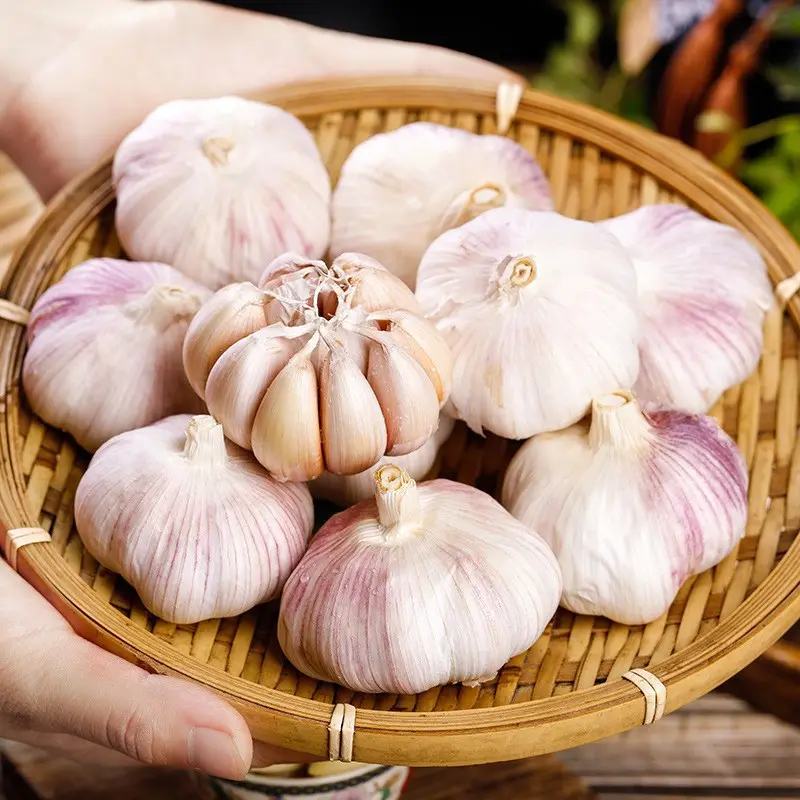
The global garlic market has witnessed tremendous growth over the past decade, with China maintaining its position as the world's largest producer and exporter of this essential culinary ingredient. Chinese garlic suppliers have established sophisticated systems to meet international safety standards and regulatory requirements, ensuring their products reach markets across Europe, North America, and Asia with consistent quality and safety. Understanding how these suppliers maintain compliance while scaling production is crucial for international buyers seeking reliable sourcing partners in the competitive agricultural export market.
Quality Control Systems in Chinese Garlic Production
Field Management and Agricultural Practices
Modern Chinese garlic suppliers implement comprehensive field management protocols that begin at the planting stage and continue throughout the growing cycle. These protocols include soil testing, controlled irrigation systems, and integrated pest management strategies that minimize chemical residue while maximizing yield quality. Professional agronomists work closely with farmers to ensure optimal growing conditions and sustainable farming practices that align with international organic and conventional standards.
Temperature monitoring and humidity control during the growing season are essential components of quality assurance. Suppliers utilize advanced weather stations and soil sensors to track environmental conditions, enabling precise timing for planting, fertilization, and harvesting activities. This technological approach helps maintain consistent bulb development and reduces the risk of contamination from environmental factors that could compromise product safety.
Harvesting and Post-Harvest Processing
The harvesting process follows strict timing protocols to ensure optimal bulb maturity and storage potential. Chinese garlic suppliers employ mechanical harvesters calibrated to minimize physical damage while maintaining efficiency in large-scale operations. Post-harvest handling includes immediate cleaning, sorting, and initial quality assessment to remove damaged or substandard bulbs before processing.
Curing facilities utilize controlled ventilation systems to reduce moisture content gradually, preventing mold development and extending shelf life. These facilities maintain specific temperature and humidity ranges based on garlic variety and intended market requirements. Quality control teams conduct regular inspections during the curing process, documenting moisture levels and visual quality indicators to ensure compliance with export specifications.
International Certification and Compliance Standards
Global Food Safety Initiative Requirements
Leading Chinese garlic suppliers pursue multiple international certifications to demonstrate their commitment to food safety and quality management. These certifications include Global GAP, BRC Food Safety, and HACCP implementation, which require comprehensive documentation of production processes and regular third-party audits. The certification process involves detailed traceability systems that track products from field to final packaging, enabling rapid response to any quality concerns or recall situations.
Suppliers invest significantly in staff training and facility upgrades to maintain certification status. Regular internal audits and management reviews ensure continuous improvement in safety protocols and operational efficiency. Documentation systems capture critical control points throughout the supply chain, providing transparency and accountability that international buyers require for their own regulatory compliance.
Laboratory Testing and Quality Assurance
Comprehensive laboratory testing programs form the backbone of quality assurance for export-oriented Chinese garlic suppliers. These programs include pesticide residue analysis, heavy metal testing, microbiological screening, and nutritional composition verification. Testing occurs at multiple stages, from raw material assessment to final product certification, ensuring consistent safety and quality standards.
Modern testing facilities utilize advanced analytical equipment including gas chromatography, mass spectrometry, and automated microbiological systems. Results are documented in detailed certificates of analysis that accompany each shipment, providing buyers with complete transparency regarding product safety and compliance status. Regular calibration and proficiency testing maintain the accuracy and reliability of analytical results.
Supply Chain Management and Traceability
Digital Tracking Systems
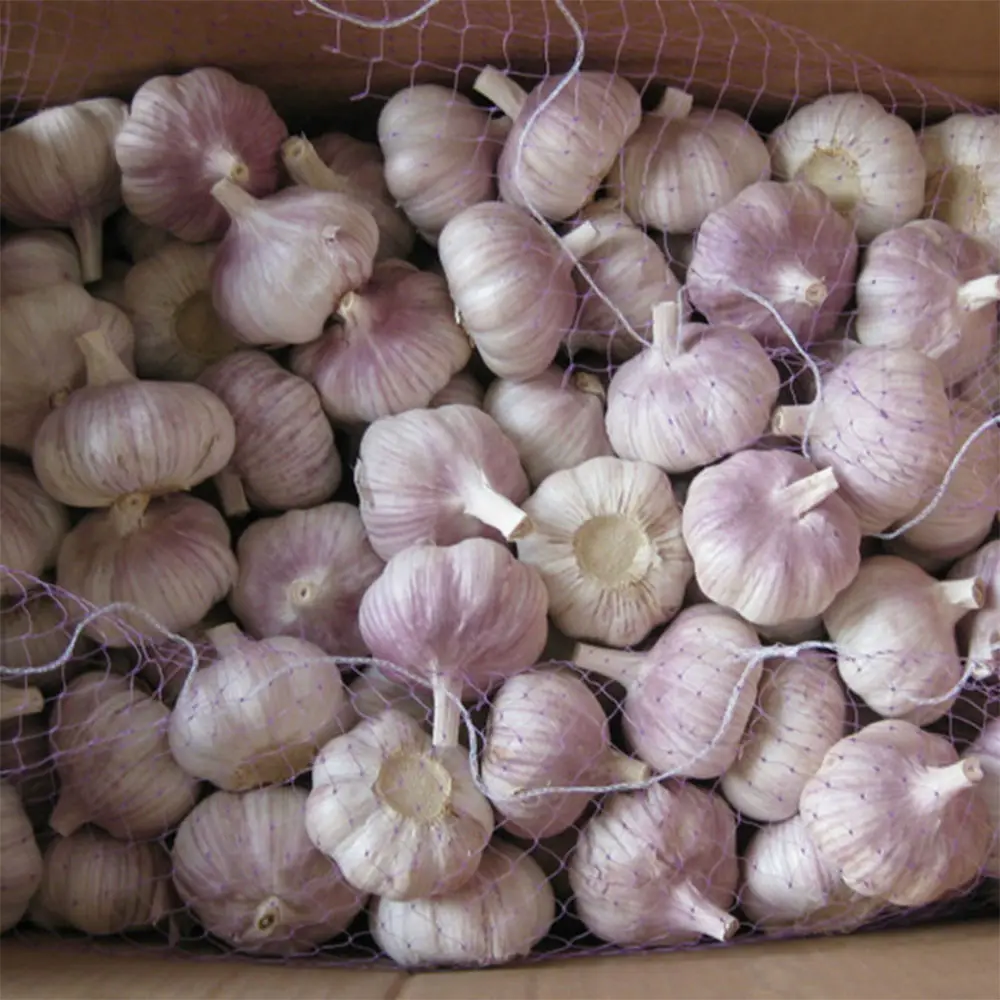
Advanced Chinese garlic suppliers have implemented digital traceability systems that provide complete visibility throughout the supply chain. These systems utilize QR codes, RFID tags, and blockchain technology to track individual batches from specific farm locations through processing, storage, and shipping stages. Real-time data collection enables rapid identification and isolation of any quality issues, minimizing potential impact on export operations.
Integration with enterprise resource planning systems allows suppliers to coordinate production scheduling, inventory management, and logistics operations efficiently. Automated alerts notify quality control teams of any deviations from established parameters, enabling immediate corrective action. This technological infrastructure supports the transparency requirements of international food safety regulations and buyer specifications.
Cold Chain Management
Temperature-controlled storage and transportation systems are critical components of the supply chain for Chinese garlic suppliers serving international markets. Modern cold storage facilities maintain precise temperature and humidity conditions optimized for different garlic varieties and processing requirements. Continuous monitoring systems document environmental conditions throughout storage periods, ensuring product quality maintenance.
Transportation logistics incorporate refrigerated containers and trucks equipped with temperature logging devices. GPS tracking and real-time communication systems enable suppliers to monitor shipment conditions and provide customers with delivery status updates. This comprehensive cold chain management ensures product integrity from processing facility to final destination, meeting the quality expectations of international buyers.
Regulatory Compliance and Documentation
Export Documentation Requirements
Chinese garlic suppliers maintain comprehensive documentation systems to satisfy the regulatory requirements of diverse international markets. Export documentation includes phytosanitary certificates, certificates of origin, and product-specific quality certifications required by importing countries. Professional compliance teams stay current with changing regulations and ensure all documentation meets the latest requirements for each destination market.
Electronic document management systems streamline the preparation and submission of export paperwork while maintaining secure archives for regulatory reference. Automated workflows ensure timely completion of documentation processes and reduce the risk of errors that could delay shipments. Regular communication with customs authorities and certification bodies maintains positive relationships that facilitate smooth export operations.
Continuous Improvement Programs
Successful Chinese garlic suppliers implement continuous improvement programs that regularly evaluate and enhance their safety and quality management systems. These programs include customer feedback analysis, supplier performance reviews, and benchmarking against industry best practices. Regular management reviews assess the effectiveness of existing protocols and identify opportunities for enhancement.
Investment in new technology and equipment upgrades demonstrates the commitment of leading suppliers to maintaining competitive advantages in international markets. Staff development programs ensure that employees stay current with evolving food safety requirements and quality management techniques. This focus on continuous improvement helps suppliers adapt to changing market demands and regulatory requirements while maintaining operational efficiency.
FAQ
What certifications should I look for when selecting Chinese garlic suppliers?
Look for suppliers with Global GAP, BRC Food Safety, HACCP, and ISO 22000 certifications. These internationally recognized standards demonstrate comprehensive food safety management systems and commitment to quality. Additionally, verify that suppliers have valid export licenses and phytosanitary certification capabilities for your destination market.
How do Chinese garlic suppliers ensure pesticide residue compliance?
Reputable suppliers implement integrated pest management programs that minimize pesticide usage while maintaining crop protection. They conduct regular residue testing using accredited laboratories and maintain detailed records of all agricultural inputs. Pre-shipment testing ensures compliance with destination market requirements, and certificates of analysis provide documentation of safety compliance.
What traceability information should suppliers provide?
Comprehensive traceability should include farm location identification, planting and harvest dates, processing facility information, and storage conditions throughout the supply chain. Digital tracking systems should provide batch-specific documentation that enables rapid identification and isolation of products if quality issues arise. This information should be readily available and easily accessible through secure online platforms.
How can I verify the authenticity of supplier certifications and quality claims?
Verify certifications directly with issuing bodies using certificate numbers and online verification systems. Conduct on-site audits or hire third-party inspection services to validate supplier capabilities and compliance status. Request recent test reports from accredited laboratories and compare supplier claims with actual documentation. Establish clear quality agreements that specify testing requirements and acceptance criteria for your specific needs.