 EN
EN
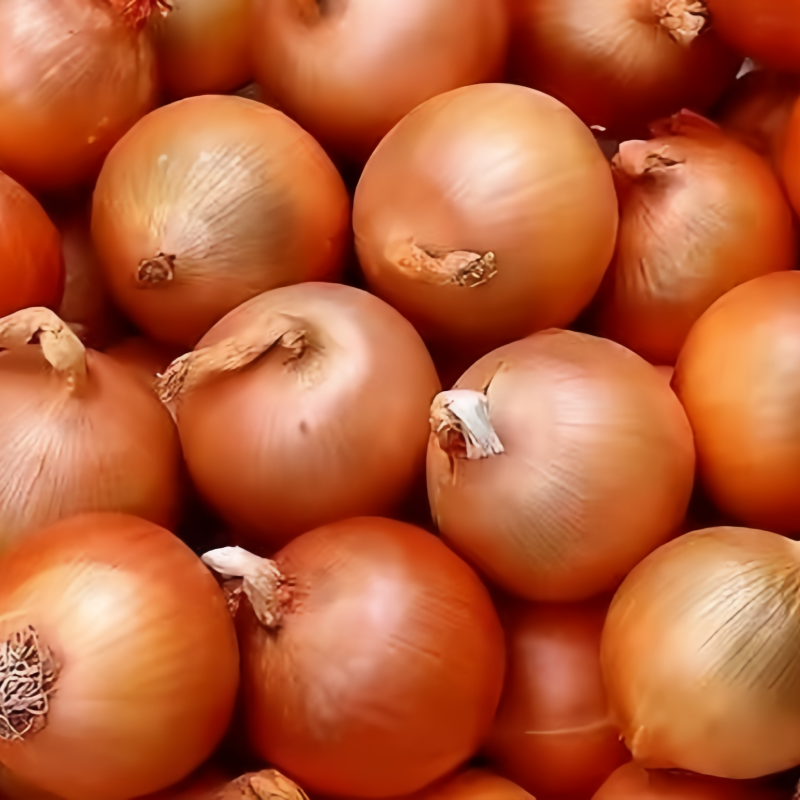
In the competitive landscape of large-scale food production, ingredient cost management directly impacts profit margins and operational sustainability. Yellow onions have emerged as one of the most economically advantageous ingredients for commercial food manufacturers, offering exceptional value through their versatility, extended shelf life, and consistent market availability. Food production facilities processing thousands of meals daily recognize that strategic ingredient selection can significantly reduce operational costs while maintaining product quality and consumer satisfaction.
The economic advantages of yellow onions extend beyond their initial purchase price, encompassing reduced waste, minimal processing requirements, and exceptional flavor enhancement capabilities. Commercial kitchens and food processing facilities have documented significant cost savings when incorporating yellow onions as foundational ingredients in their production workflows. These savings compound over time, particularly for operations producing high volumes of soups, sauces, prepared meals, and frozen food products where consistent flavor profiles are essential.
Economic Benefits of Yellow Onions in Commercial Food Operations
Wholesale Pricing Advantages and Market Stability
Yellow onions consistently maintain competitive wholesale pricing due to their widespread cultivation and robust supply chains. Unlike specialty vegetables that experience dramatic price fluctuations, yellow onions offer predictable cost structures that enable accurate budget forecasting for food production facilities. The stable pricing reflects efficient agricultural practices and established distribution networks that keep transportation costs minimal compared to more exotic or perishable ingredients.
Large-scale food producers benefit from volume purchasing agreements that further reduce per-unit costs for yellow onions. Suppliers typically offer tiered pricing structures where bulk purchases result in substantial savings, making yellow onions particularly attractive for operations requiring consistent ingredient volumes. The commodity nature of yellow onions also means that procurement teams can leverage multiple supplier relationships to secure the most competitive rates throughout different seasons.
Storage Efficiency and Reduced Waste Costs
The exceptional storage characteristics of yellow onions translate directly into cost savings through reduced waste and inventory management expenses. Properly stored yellow onions maintain quality for several months without refrigeration, eliminating the energy costs associated with cold storage required for many other vegetables. This extended shelf life allows food production facilities to purchase larger quantities during peak harvest seasons when prices are lowest.
Food safety compliance becomes more manageable with yellow onions due to their natural protective layers and resistance to contamination. The reduced risk of spoilage means fewer inventory write-offs and less frequent replacement orders, contributing to overall cost efficiency. Production facilities also benefit from simplified inventory rotation procedures since yellow onions maintain consistent quality over extended storage periods without specialized handling requirements.
Processing Efficiency and Labor Cost Optimization
Minimal Preparation Requirements
Yellow onions require minimal processing steps compared to many other flavor-enhancing ingredients, resulting in reduced labor costs and simplified production workflows. The straightforward preparation process involves basic peeling and cutting operations that can be efficiently automated or performed by entry-level kitchen staff without specialized training. This simplicity reduces both direct labor costs and the training expenses associated with more complex ingredient preparation procedures.
The uniformity of yellow onions facilitates consistent portion control and predictable yield calculations, enabling accurate cost projections and recipe standardization. Food production managers can precisely calculate ingredient costs per serving without accounting for significant variations in usable product percentages. This predictability streamlines procurement planning and helps maintain consistent profit margins across production batches.
Equipment and Infrastructure Savings
Processing yellow onions requires standard commercial kitchen equipment without specialized machinery or temperature-controlled environments. This eliminates the capital expenditures associated with specialized processing equipment needed for more delicate or complex ingredients. Food production facilities can maximize their existing equipment investments while achieving excellent flavor results through efficient yellow onion utilization.
The versatility of yellow onions means that a single ingredient can fulfill multiple recipe requirements, reducing the need for diverse ingredient inventories and associated storage infrastructure. Production facilities can simplify their supply chain management by consolidating multiple flavor requirements into yellow onion applications, reducing both procurement complexity and storage costs.
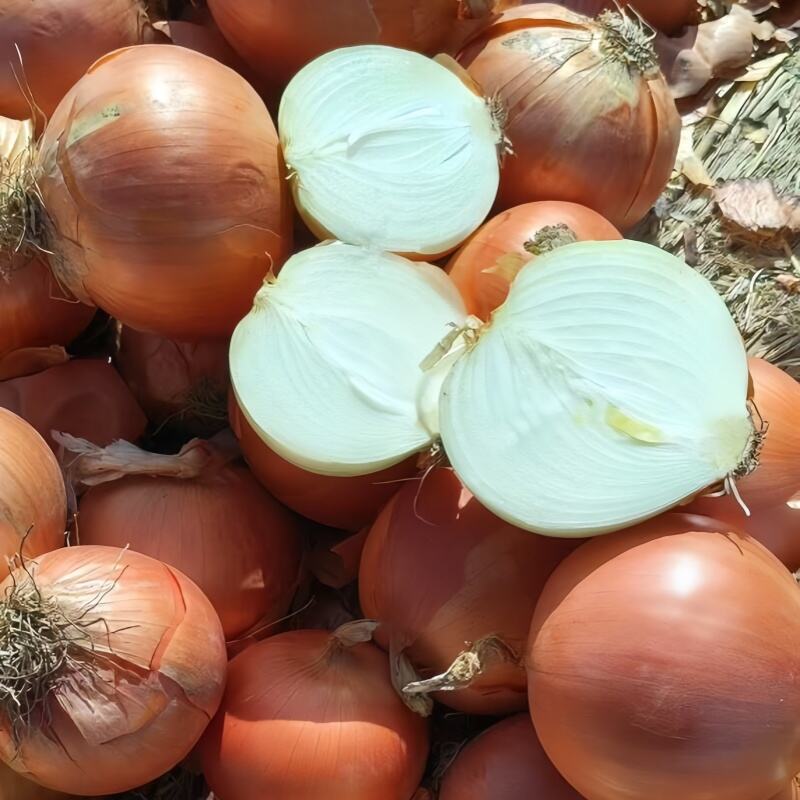
Flavor Enhancement Value and Recipe Versatility
Cost-Effective Flavor Base Development
Yellow onions provide exceptional flavor enhancement value compared to their cost, serving as foundational ingredients that elevate the taste profiles of numerous food products. The natural sugars and sulfur compounds in yellow onions create complex flavor foundations that would require multiple expensive ingredients to replicate using alternative approaches. This flavor efficiency translates into significant cost savings while maintaining or improving product quality.
Commercial food producers leverage yellow onions to reduce reliance on expensive flavor enhancers and artificial additives. The natural umami characteristics of properly prepared yellow onions eliminate the need for costly flavor compounds while providing clean label advantages that consumers increasingly demand. This dual benefit of cost reduction and clean labeling creates competitive advantages in both pricing and marketing positioning.
Cross-Application Efficiency in Production Lines
The versatility of yellow onions enables food production facilities to utilize a single ingredient across multiple product lines, creating economies of scale in purchasing and processing operations. Whether incorporated into soups, sauces, prepared meals, or frozen products, yellow onions maintain consistent performance characteristics that simplify production planning and quality control procedures.
Production schedulers benefit from the flexibility that yellow onions provide in adapting recipes based on seasonal availability or cost fluctuations of other ingredients. The reliable flavor contribution of yellow onions allows production teams to adjust complementary ingredients without compromising product quality, providing operational flexibility that enhances overall cost management strategies.
Supply Chain Advantages and Risk Management
Reliable Sourcing and Supplier Diversity
Yellow onions benefit from diverse global production regions that ensure consistent supply availability throughout the year, reducing supply chain risks that can dramatically impact food production costs. The widespread cultivation of yellow onions across multiple geographic regions provides procurement teams with numerous sourcing options, enabling competitive bidding processes that drive down costs while maintaining supply security.
The established nature of yellow onion agriculture means that suppliers have developed efficient harvesting, processing, and distribution systems that minimize supply chain disruptions. Food production facilities can establish long-term supplier relationships with confidence, knowing that yellow onion producers have the infrastructure and experience necessary to meet consistent delivery requirements at competitive prices.
Transportation and Logistics Cost Efficiency
The robust nature of yellow onions makes them ideal for efficient transportation methods that minimize logistics costs. Unlike fragile vegetables requiring specialized handling or climate-controlled transportation, yellow onions can be shipped using standard freight methods without significant risk of damage or quality degradation. This transportation efficiency directly reduces the delivered cost of ingredients to food production facilities.
Distribution centers can handle yellow onions using standard warehouse equipment and procedures, eliminating the need for specialized handling infrastructure that increases operational costs. The ability to palletize and store yellow onions using conventional methods means that food producers can leverage existing logistics relationships without requiring specialized service providers that command premium pricing.
Quality Consistency and Production Standardization
Predictable Performance Characteristics
Yellow onions deliver consistent flavor and texture characteristics that enable food production facilities to maintain standardized recipes without frequent adjustments for ingredient variability. This consistency reduces the quality control expenses associated with batch testing and recipe modifications that are often necessary when working with less reliable ingredients. Production managers can confidently scale recipes knowing that yellow onions will perform consistently across different batches and suppliers.
The predictable moisture content and flavor intensity of yellow onions facilitate accurate nutritional labeling and portion control calculations. Food production facilities can maintain consistent product specifications without the costly adjustments required when ingredient characteristics vary significantly between batches or suppliers.
Compliance and Documentation Efficiency
The commodity status of yellow onions simplifies regulatory compliance and documentation requirements compared to specialty ingredients that may require extensive traceability or certification processes. Food production facilities benefit from streamlined supplier qualification procedures and reduced compliance monitoring costs when incorporating yellow onions into their production processes.
Quality assurance teams can implement standard testing protocols for yellow onions without requiring specialized equipment or procedures, reducing both operational costs and staff training requirements. The established safety profile of yellow onions means that food production facilities can focus their quality control resources on more complex ingredients while maintaining confidence in yellow onion safety and quality.
FAQ
What makes yellow onions more cost-effective than other onion varieties for large-scale production
Yellow onions offer superior cost-effectiveness due to their extended storage life, widespread availability, and consistent pricing compared to red or white onion varieties. Their robust nature reduces handling losses, while their intense flavor profile means smaller quantities are needed to achieve desired taste results, making them particularly economical for high-volume food production operations.
How do yellow onions compare to artificial flavor enhancers in terms of cost and performance
Yellow onions typically cost significantly less than artificial flavor enhancers while providing superior flavor complexity and clean label advantages. Natural compounds in yellow onions create layered flavor profiles that would require multiple artificial additives to replicate, making them both more economical and more appealing to health-conscious consumers seeking natural ingredients.
What storage and handling considerations affect the cost-effectiveness of yellow onions
Proper storage of yellow onions in cool, dry, well-ventilated areas can extend their usable life to several months without refrigeration, maximizing cost-effectiveness through reduced waste and energy costs. Avoiding moisture exposure and maintaining proper air circulation prevents premature spoilage, ensuring that bulk purchases remain economical throughout extended storage periods.
How can food producers optimize their yellow onion procurement to maximize cost savings
Food producers can maximize cost savings by purchasing yellow onions during peak harvest seasons when prices are lowest, establishing relationships with multiple suppliers to ensure competitive pricing, and coordinating purchases with other facilities to achieve volume discounts. Additionally, focusing on suppliers who offer consistent quality and reliable delivery schedules reduces hidden costs associated with supply chain disruptions and quality variations.
Table of Contents
- Economic Benefits of Yellow Onions in Commercial Food Operations
- Processing Efficiency and Labor Cost Optimization
- Flavor Enhancement Value and Recipe Versatility
- Supply Chain Advantages and Risk Management
- Quality Consistency and Production Standardization
-
FAQ
- What makes yellow onions more cost-effective than other onion varieties for large-scale production
- How do yellow onions compare to artificial flavor enhancers in terms of cost and performance
- What storage and handling considerations affect the cost-effectiveness of yellow onions
- How can food producers optimize their yellow onion procurement to maximize cost savings