 EN
EN
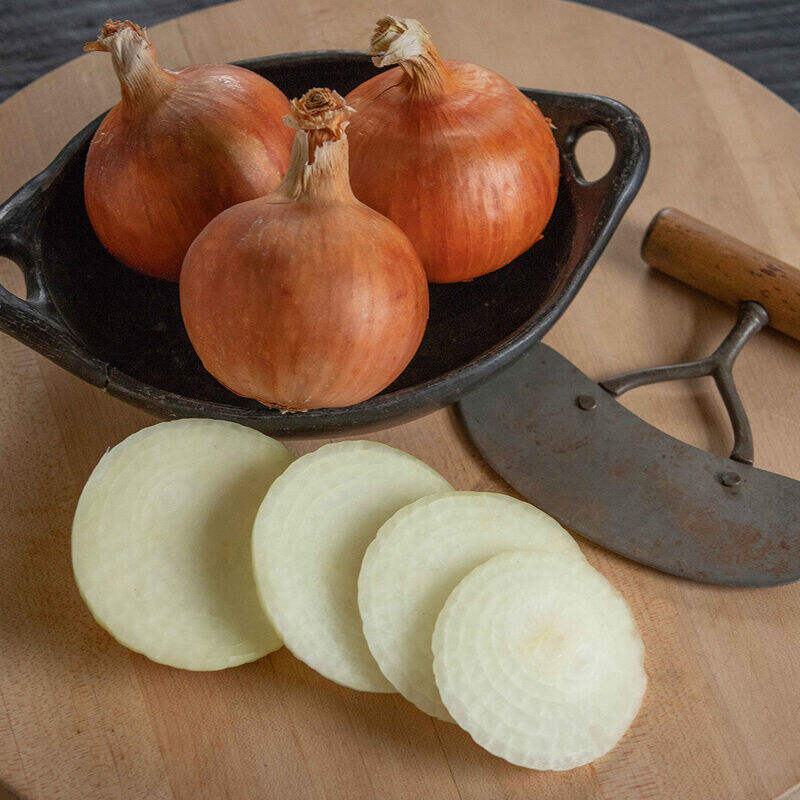
In professional kitchens around the world, yellow onions have earned their reputation as the most versatile and reliable cooking ingredient. These golden-brown bulbs serve as the foundation for countless dishes, from French mirepoix to Asian stir-fries, providing depth, sweetness, and complexity that other onion varieties simply cannot match. The preference for yellow onions among professional chefs stems from their unique balance of flavor compounds, cooking properties, and availability throughout the year.
The culinary dominance of yellow onions extends far beyond their widespread availability. Professional kitchens demand ingredients that deliver consistent results under various cooking methods, and yellow onions excel in this regard. Their robust cellular structure allows them to maintain integrity during long cooking processes while breaking down beautifully when caramelized or sautéed. This adaptability makes them indispensable in both quick preparations and slow-braised dishes that require hours of cooking time.
Chemical Composition and Flavor Development
Sulfur Compounds and Pungency Levels
Yellow onions contain higher concentrations of sulfur compounds compared to their white and red counterparts, which directly impacts their flavor profile and cooking behavior. These sulfur compounds, particularly allyl sulfides, create the characteristic sharp bite when raw but transform into sweet, complex flavors during cooking. Professional chefs appreciate this transformation because it allows them to build layered flavor profiles that develop throughout the cooking process.
The enzymatic reactions that occur when yellow onions are cut and heated produce a range of flavor compounds that contribute to umami development. These reactions are more pronounced in yellow onions due to their higher enzyme activity and sulfur content. When properly caramelized, yellow onions develop over 50 different flavor compounds, creating a complexity that enhances everything from soups and sauces to meat dishes and vegetarian preparations.
Sugar Content and Caramelization Properties
The natural sugar content in yellow onions typically ranges from 4 to 6 percent, providing an ideal balance for caramelization without excessive sweetness. This moderate sugar level allows professional chefs to control the browning process precisely, achieving the desired level of caramelization for specific dishes. Unlike sweet onions, which can become cloying when cooked extensively, yellow onions maintain their savory character even after prolonged cooking.
During the Maillard reaction, the sugars in yellow onions combine with amino acids to create hundreds of flavor compounds that contribute to the deep, rich taste that professional chefs seek. This reaction occurs most effectively at temperatures between 280 and 330 degrees Fahrenheit, a range that yellow onions handle exceptionally well due to their moisture content and cellular structure.
Cooking Applications and Versatility
Foundation for Classical Cooking Techniques
Professional kitchens rely heavily on classical French cooking techniques, and yellow onions serve as a cornerstone ingredient in many fundamental preparations. The holy trinity of mirepoix, consisting of onions, carrots, and celery, forms the aromatic base for countless stocks, soups, and braises. Yellow onions provide the perfect balance of sweetness and savory depth needed for these preparations, contributing body and complexity without overwhelming other ingredients.
In sauce making, yellow onions excel at creating the foundation for both light and dark sauces. Their ability to cook down into a smooth, flavorful base makes them essential for creating consistent sauce textures. Professional chefs particularly value how yellow onions break down evenly when cooked slowly, creating a silky foundation that integrates seamlessly with other ingredients rather than maintaining distinct chunks or pieces.
Heat Tolerance and Cooking Stability
The robust cellular structure of yellow onions allows them to withstand high-heat cooking methods without falling apart or becoming mushy prematurely. This heat tolerance makes them ideal for searing, roasting, and grilling applications where other onion varieties might fail. Professional chefs can confidently use yellow onions in dishes that require multiple cooking stages without worrying about textural breakdown.
Yellow onions also demonstrate exceptional stability in slow-cooking applications, maintaining their structure and continuing to develop flavor over extended cooking periods. This characteristic proves invaluable in professional kitchens where dishes like braises, stews, and confit preparations require hours of gentle cooking. The onions contribute flavor throughout the entire cooking process while maintaining enough structure to provide textural interest in the final dish.
Economic and Practical Considerations
Cost Effectiveness and Supply Chain Reliability
Professional kitchens operate on tight margins, making ingredient cost a critical factor in menu planning and profitability. Yellow onions offer exceptional value due to their widespread cultivation, extended storage life, and consistent availability throughout the year. Their lower cost per pound compared to specialty onion varieties allows restaurants to use them liberally without significantly impacting food costs.
The storage characteristics of yellow onions make them particularly attractive to professional operations. When properly stored in cool, dry conditions, yellow onions can maintain quality for several months, reducing waste and allowing for bulk purchasing. This extended shelf life enables restaurants to maintain consistent inventory levels and take advantage of bulk pricing opportunities from suppliers.
Standardization and Quality Control
Restaurant operations depend on ingredient consistency to maintain dish quality and customer satisfaction. Yellow onions offer superior standardization compared to other varieties, with predictable size ranges, moisture content, and flavor profiles across different suppliers and growing regions. This consistency allows professional chefs to develop recipes with confidence, knowing that the yellow onions will perform similarly regardless of source.
The quality grading systems for yellow onions are well-established and widely understood throughout the foodservice industry. Professional buyers can easily communicate their requirements and expect consistent results from their suppliers. This standardization extends to processing as well, with yellow onions maintaining consistent performance whether used fresh, frozen, or dehydrated.
Nutritional Profile and Health Benefits
Micronutrient Content and Antioxidant Properties
Yellow onions provide significant nutritional value that professional chefs increasingly consider when developing health-conscious menus. They contain substantial amounts of vitamin C, folate, and potassium, along with a variety of antioxidant compounds including quercetin and anthocyanins. These nutrients remain largely intact during cooking, particularly when onions are sautéed or caramelized rather than boiled.
The prebiotic properties of yellow onions contribute to their growing popularity in health-focused restaurants and institutional foodservice operations. The inulin and other prebiotic fibers in yellow onions support digestive health while adding minimal calories to dishes. Professional chefs can leverage these health benefits as selling points for menu items while maintaining the flavor profiles that customers expect.
Flavor Enhancement and Sodium Reduction
Professional kitchens increasingly focus on reducing sodium content while maintaining flavor intensity, and yellow onions serve as a powerful tool in this effort. The natural glutamates and savory compounds in yellow onions enhance umami flavors, allowing chefs to reduce salt without sacrificing taste. This capability proves particularly valuable in institutional settings where dietary restrictions are common.
The flavor-enhancing properties of yellow onions extend beyond simple taste improvement. They contain natural compounds that interact synergistically with other ingredients, amplifying existing flavors rather than masking them. This characteristic allows professional chefs to create more complex flavor profiles using fewer ingredients, simplifying preparation while enhancing the overall dining experience.
Global Culinary Applications
Cross-Cultural Cooking Adaptability
Professional kitchens in diverse culinary settings rely on yellow onions because of their adaptability across different cooking traditions and flavor profiles. Unlike more specialized onion varieties that excel in specific cuisines, yellow onions perform well in Asian stir-fries, Mediterranean braises, Latin American salsas, and American comfort foods. This versatility reduces inventory complexity while maintaining authentic flavors across diverse menu offerings.
The neutral flavor base of yellow onions allows them to absorb and complement spices and seasonings from various culinary traditions without competing or clashing. Professional chefs can use the same onion variety for Indian curries, Italian pasta sauces, and Mexican salsas, adjusting cooking methods and seasonings to achieve authentic results. This adaptability proves invaluable in fusion cuisine and restaurants serving diverse customer bases.
Processing and Preparation Flexibility
Yellow onions excel across different preparation methods, from fine brunoise cuts for delicate sauces to large chunks for rustic stews. Their consistent cellular structure ensures predictable results regardless of cutting technique, allowing professional cooks to achieve uniform cooking times and textures. This reliability proves essential in high-volume operations where consistency and speed are paramount.
The processing characteristics of yellow onions also make them suitable for advance preparation techniques common in professional kitchens. They can be pre-cut and stored under proper conditions, caramelized in large batches for later use, or processed into purees and concentrates that maintain flavor integrity. This flexibility allows restaurants to optimize their prep schedules and labor allocation while maintaining food quality.
FAQ
What makes yellow onions different from white and red onions in professional cooking?
Yellow onions contain higher levels of sulfur compounds and have a more robust cellular structure compared to white and red varieties. This gives them superior heat tolerance, better caramelization properties, and more complex flavor development during cooking. White onions tend to be milder and less stable under heat, while red onions are often preferred for raw applications due to their sharp flavor and attractive color.
How should professional kitchens store yellow onions for maximum shelf life?
Professional kitchens should store yellow onions in cool, dry, well-ventilated areas with temperatures between 32-40°F and humidity levels around 65-70%. Avoid storing them near potatoes or in plastic bags, as this can accelerate sprouting and spoilage. Properly stored yellow onions can maintain quality for 2-3 months, making them ideal for bulk purchasing and inventory management.
Can yellow onions be substituted in recipes calling for other onion varieties?
Yellow onions can generally substitute for other onion varieties in cooked applications, though some flavor adjustments may be necessary. When replacing sweet onions, reduce cooking time slightly to prevent over-caramelization. For recipes calling for red onions in cooked dishes, yellow onions work well but will lack the color contribution. However, for raw preparations like salads or garnishes, other varieties may be more appropriate.
What is the optimal cutting technique for yellow onions in professional kitchens?
Professional chefs typically use a pole-to-pole cutting method for yellow onions, cutting from root to stem end rather than across the equator. This technique follows the natural grain structure, resulting in pieces that hold together better during cooking and provide more consistent texture. For brunoise cuts, make horizontal cuts first, then vertical cuts from pole to pole, and finally cross-cuts to achieve uniform dice sizes.
Table of Contents
- Chemical Composition and Flavor Development
- Cooking Applications and Versatility
- Economic and Practical Considerations
- Nutritional Profile and Health Benefits
- Global Culinary Applications
-
FAQ
- What makes yellow onions different from white and red onions in professional cooking?
- How should professional kitchens store yellow onions for maximum shelf life?
- Can yellow onions be substituted in recipes calling for other onion varieties?
- What is the optimal cutting technique for yellow onions in professional kitchens?